Raising Backyard Ducks: The Complete Beginner’s Guide
Raising ducks can give you eggs, pest patrol and a flock you can watch, but it is not a low effort hobby. You need heat for ducklings, clean water every day, dry bedding, predator proof housing and a plan for local rules.
This guide puts answers under the right bird and life stage. For the full Quack & Covey guide hub, start at the Quack & Covey home.
If you are comparing ducks with quail, use the Quack & Covey blog to find the quail guide. Coturnix quail hatch in about 17 to 18 days, while most duck eggs take about 28 days.
Key takeaways
- Ducklings need a safe heat source at about 90 degrees Fahrenheit at bird level in week one, plus a cooler spot they can move into.
- Do not feed bread as a main food. Use a starter feed appropriate for ducks or waterfowl and follow the bag label.
- Provide water that lets ducks dunk their bills and wash their heads, with a way to climb out.
- Expect mess, noise and mud if drainage, bedding and water changes are not managed daily.
- Check city hall and HOA rules before buying birds. Some places limit flock size or restrict poultry.
- If a duck seems sick, contact an avian vet rather than guessing on treatments.
At a glance for raising ducks
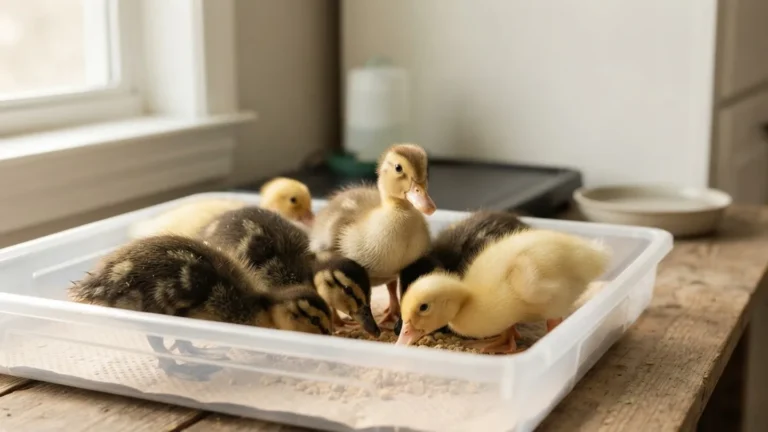
A brooder for ducklings should offer about 90 degrees Fahrenheit at bird level in week one. Provide a warm area and a cooler area, not a sealed hot box. Watch for signs of chill or overheating and adjust the heat source safely.
Feed: use a starter feed made for ducks or waterfowl. Bread, yard waste and kitchen scraps are not a diet. Follow the bag for the life stage, and do not guess protein levels if the label is unclear.
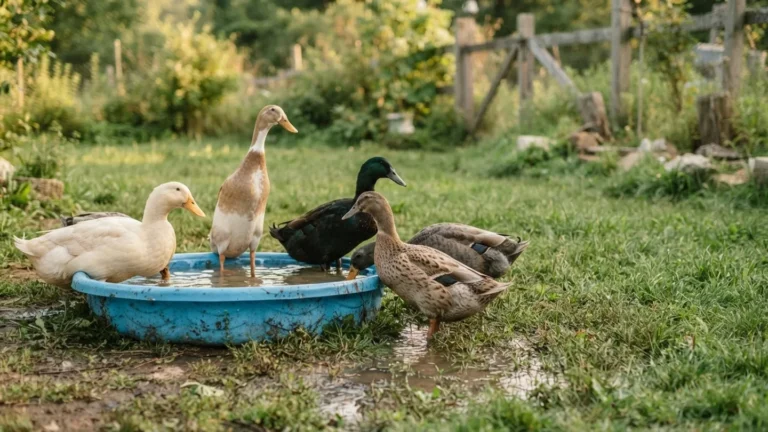
Water: ducks need water deep enough to wet their nostrils, clean their bill and splash their head. Without that, their eyes and bill can get irritated. Provide a shallow pool or pan with ramps and a dry spot.
Space: give enough dry floor area for moving, eating and lying down without crowding. Exact room per bird depends on breed, housing and climate, so ask a local experienced keeper or your state poultry resources before buying.
One mistake to avoid: letting ducklings go into cold or too deep water before they are strong, dry and able to escape. Keep early swimming supervised, short and on the warm side.
Ducks are social. Do not keep one duck alone if you can add another bird, but avoid impulse spring ducklings that are later abandoned.
| Breed type | Best for | Good to know | Care watchouts |
|---|---|---|---|
| Khaki Campbell | Steady egg production at backyard scale | Active birds that like space and routine | Need enough room, dry bedding and water to wash their bills |
| Pekin | Fast growing birds often raised for meat | Large, heavy ducks that can look calm | Messy water users that need clean, dry resting areas |
| Muscovy | Quieter ducks that may sit and raise their own young | Muscovy eggs take about 35 days to incubate | Can go broody, climb or fly if fencing is not secure |
| Rouen | A mallard look with slower, heavy growth | Often kept as a dual purpose backyard duck | Need dry shelter, careful feed control and protection from predators |
| Call | Small space birds with a loud voice | Small ducks that can be kept as companions | Very noisy, so check local rules and neighbor tolerance |
Care by life stage: duckling, grower, adult
New ducklings need warmth, shallow water and a clean brooder. Keep the brooder indoors, away from drafts, with a safe heat source and bedding that stays dry enough to walk on. Ducklings are clumsy and can pile on each other if too cold, so check them often.
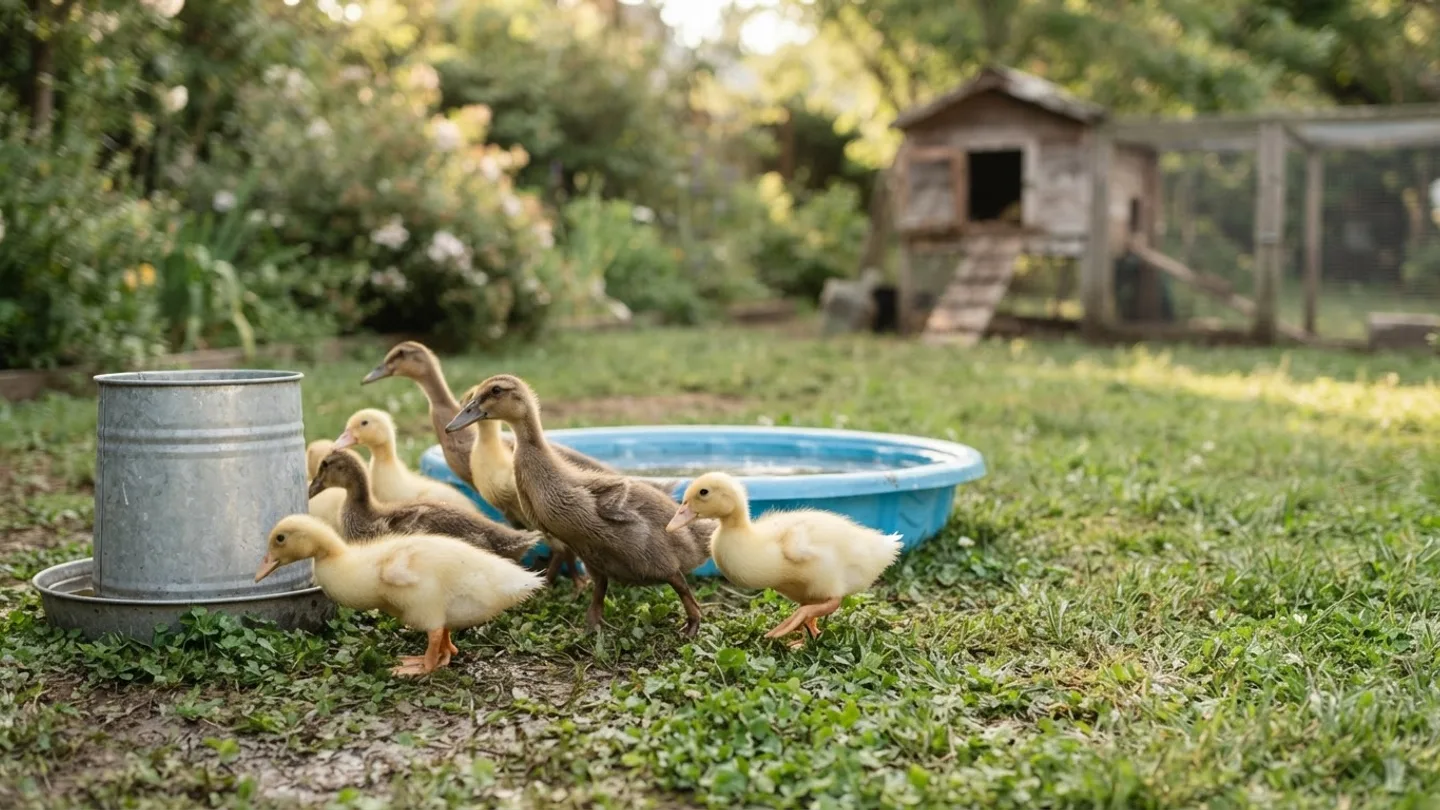
After the first few weeks, they become growers. They shed down, stand taller and eat more. Move them to a dry, sheltered space with a fenced area while they still need heat if nights are cool. In US spring or autumn weather, a cool night can surprise even healthy growers.
A duck is at point of lay when it is old enough and ready to start producing eggs. This timing varies by breed, season and daylight. Do not force laying by adding light to young ducks. If feed, water and health look correct but eggs seem delayed, ask an experienced local keeper or an avian vet.
Adult ducks need daily fresh water, a place to dunk their bills, enough dry ground to rest and feed, and protection from predators. Keep bedding changed often. If mud builds up, clean, drain and refill with dry litter before it turns into a wet, sour mess.
In winter, the main issues are wet feet, poor ventilation and frozen water. A dry house with clean air, fresh water and enough space to move is safer than a sealed, damp shelter. Watch for limping, cold birds or wet bedding and fix the housing before blaming the duck.
Adjust timing to your region. Warm brooder weather may come earlier in the South and later in the North. Check frost, rain and wind before moving birds outside for the first time.
First weeks: brooder checklist
Set up the brooder
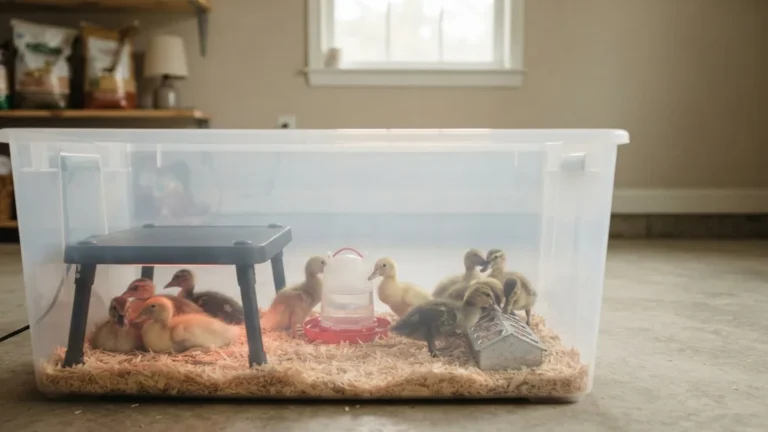
Use a secure box or tote with a safe heat source. Keep the temperature at about 90 degrees Fahrenheit at duckling level in week one, and make sure there is a cooler area where they can walk away from the heat.
Offer shallow water
Provide a pan or waterer with ramps or stones they can stand on. The water should be shallow enough that a small duckling can climb out, and the dry area should be kept clean.
Start the right feed
Use a starter feed made for ducks or waterfowl. Follow the bag for the life stage. Do not feed bread, kitchen scraps or adult layer feed as the main diet.
Watch the flock daily
Huddling can mean chill. Panting or moving far from the heat can mean overheating. Check bedding, droppings and feet every day, and remove wet litter quickly.
Add more space as they grow
Move the brooder or the birds before they crowd. Give them enough floor space to move, eat and lie down without trampling the feed line or sleeping in waste.
Plan the grower home
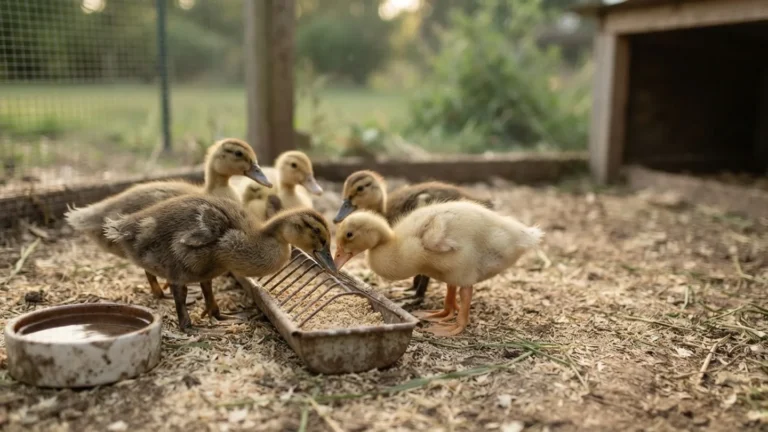
By the time they are leaving down and growing feathers, prepare a dry, sheltered, predator proof space. Keep backup heat if nights are cool, and do not rush them into a wet run.
Feed and water for backyard ducks
Ducklings grow fast, so the starter ration matters more than treats. Offer only enough feed for the day and keep the feed area dry. Wet feed turns into waste, and wet feeders can harbor mold, which is not a safe duck meal.
If you feed treats, keep them small and simple. Peas, corn, greens, clean forage and mealworms are common options. Treats should not replace the main diet, and they should not be a free pass for kitchen waste.
Provide insoluble grit if they eat grass, treats or a feed that is not a complete duck starter ration. Grit is small, hard material that helps a bird grind feed in its gut.
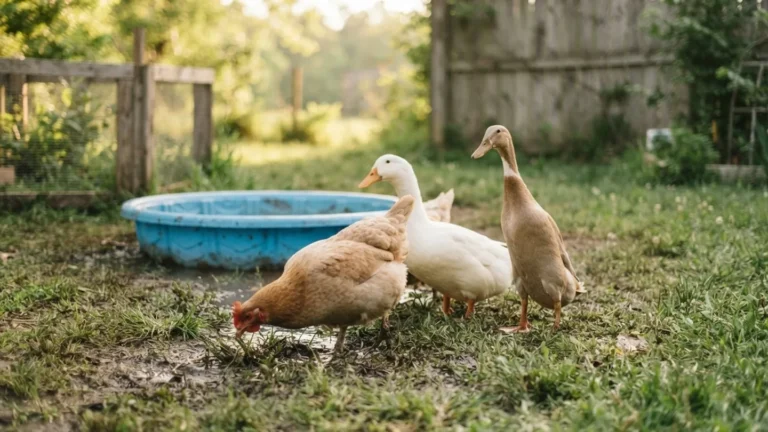
Water is where ducks get into trouble. They need enough to dip their bill and head, not just a sip. A kiddie pool, stock tank or large pan can work, but you must scrub it often and keep the landing area dry.
Put waterers over a drain, tray or grate so dirty water does not turn the brooder into mud. A shallow swimming area is better than a deep, cold one, especially for young birds.
If your ducks seem to avoid water, check temperature first. Ducklings can chill quickly if they get wet, and a weak or cold bird may need help from a keeper or vet.
Common duck questions
Can ducklings swim right away?
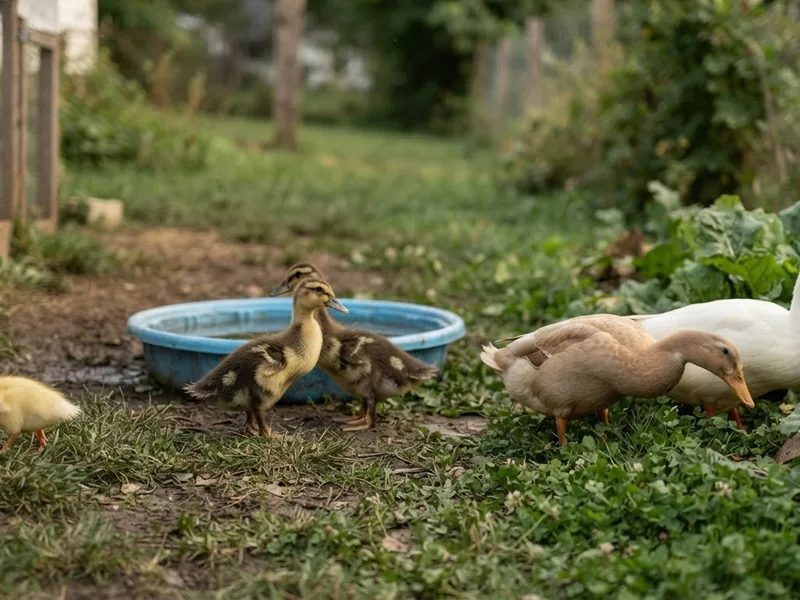
Ducklings can have shallow, supervised water if they are warm, dry and able to climb out easily. Do not put them in deep, cold or unattended water. Their down is not as waterproof as adult feathering, and a chilled duckling can become weak quickly.
Do ducks eat bread?
Bread is not a good main food. It fills ducks without giving them the balanced nutrition they need, and stale bread in water can attract pests and spoil. Use a duck or waterfowl starter ration appropriate for the life stage, and offer treats sparingly.
How do I tell a drake from a hen?
A male duck is a drake, and a female is a hen. Some breeds can be sexed by voice, posture, feathering or tail curl, but many ducklings are sold by hatchery selection or color. If you want eggs, ask before buying. If you want a quieter flock, talk to a local keeper about drakes, because some males are loud.
Will one duck be okay alone?
Ducks are social birds. If you can keep at least two, you are giving them a better life. A single duck can become lonely or stressed, and an impulse spring duckling that has no home may become a problem later.
What should I know about angel wing and bumblefoot?
Angel wing is a condition where a wing does not lie flat against the body. Bumblefoot is a sore or swollen foot, often from rough, dirty or wet surfaces. If you see these signs, stop guessing about feed, splints or home treatment and contact an avian vet.
Should I choose ducks or quail for a small space?
Ducks give larger eggs and a bigger presence, but they are messier and need more water. Quail can fit a smaller footprint. Coturnix quail hatch in about 17 to 18 days. Button quail are usually kept as pets rather than reliable backyard egg layers.
Housing and predator proofing
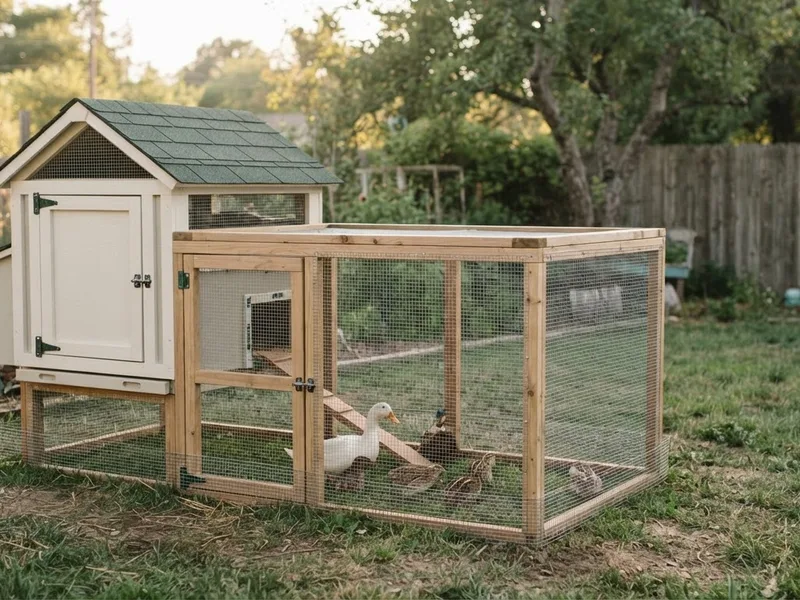
A duck house should be dry, ventilated and easy to clean. You need enough room for birds to lie down, move away from the feed line and avoid sleeping on wet litter. A sealed, damp shelter can become a problem faster than a bright, draft free house with good airflow.
For ducklings, a cheap DIY start can be a storage tote brooder with a safe heat source and a shallow water pan. For older birds, a kiddie pool or stock tank can be a low cost swimming and washing spot if it is cleaned regularly.
Use hardware cloth, a heavier wire mesh, rather than chicken wire when predators are the issue. Chicken wire is often sold as a light fence wire, and many predators can tear through it or reach through gaps.
Close the top of the run or use netting if hawks or raccoons are a risk. Secure the bottom edges so animals cannot dig under the fence. A locked door matters too, because open gates are the easiest way for a fox or dog to turn a flock into a loss.
Give nesting corners or boxes with dry straw, especially if you want eggs from hens. If your flock includes Muscovies or birds that may fly or climb, check fencing height and secure the run before the first predator does it for you.
If you have mud, fix it. Drainage, mulch, wood chips, pavers or a raised resting area can help, but none of them replace regular cleaning and a place for water to go.
Pros
- Ducks can eat insects, slugs and other pests around a garden or small acreage.
- A small flock can provide eggs at home with a modest setup.
- Ducks are often hardy when housing is dry, feed is right and water is clean.
- They can make a backyard feel more alive, especially in spring and summer.
- Some breeds are good choices for families watching eggs hatch and grow.
Cons
- Ducks are messy, and water plus droppings can make mud and smell if not managed.
- Some breeds are loud, including drakes and smaller call ducks.
- They need predator proof housing and a secure run, not just a chicken coop with extra space.
- Local rules may limit flock size, ban birds or require permits for slaughter.
- Too many drakes for hens can stress the flock and cause trouble.
- One duck kept alone may be lonely and less content.
- Impulse spring ducklings often grow into adult ducks that need a real home.
- Feed, bedding, fencing, waterers and vet care add up after the initial cute box is over.
Eggs, costs and local rules
Most duck eggs incubate about 28 days. Muscovy eggs take about 35 days. If you are trying incubating quail eggs, Coturnix quail often hatch in about 17 to 18 days. Those are general timing figures, not guarantees, because temperature, humidity, ventilation and egg quality all affect the result.
You may hear the term candling, which means shining a bright light through an egg to check for development. You may also hear lockdown, the final stage where turning stops and humidity needs are adjusted. If your first hatch fails, review the incubator plan and settings before blaming the eggs.
Broody means a hen wants to sit on eggs and may stop laying. If you let her hatch, give her a dry, safe nest and protect her from predators, noise and water. If you do not want ducklings, remove eggs, watch her condition and adjust the nest area.
Costs go beyond the duckling box. You will spend on brooder supplies, heat, feed, waterers, fencing, bedding, predator proofing, replacement equipment and vet care. Prices vary by town and season, so write down your expected monthly feed and bedding bill before buying birds.
Local rules come first. Call city hall, check your HOA and ask your state department or extension office about poultry, slaughter, egg sales and transport. Some places limit flock size, prohibit birds in certain zones or require permits for processing.
If a situation involves disease, wildlife, injury or a legal question, do not guess. Contact an avian vet, your state veterinarian, animal control, city hall or your HOA. Read the disclaimer for this site's stance on health and legal claims.