How Long Does It Take for Duck Eggs to Hatch?
For most backyard breeds, duck eggs hatch in about 28 days. Muscovy duck eggs usually take about 35 days. That is the short answer to how long does it take for duck eggs to hatch.
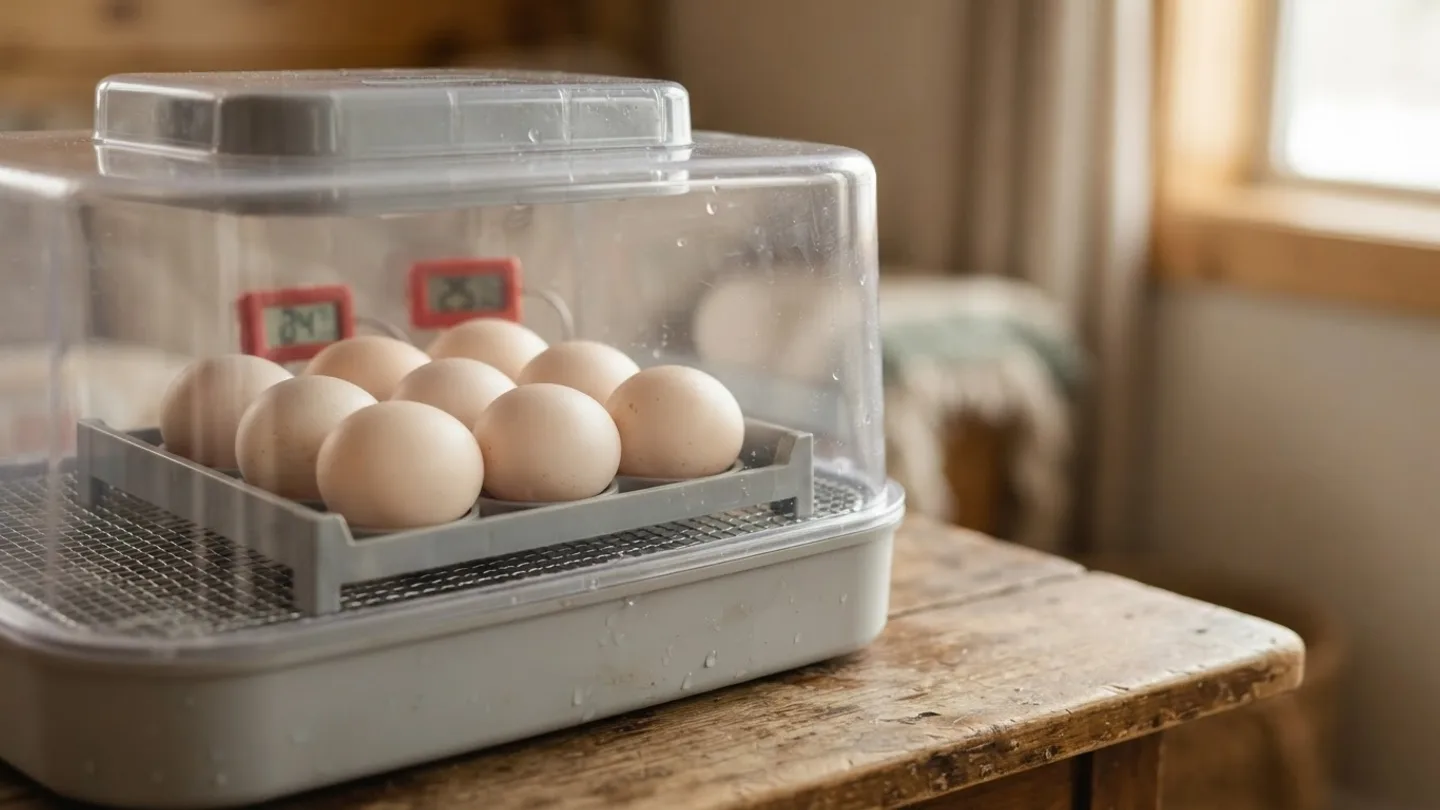
Treat those numbers as a window, not a stopwatch. The clock starts when the eggs enter the incubator, or when a broody duck settles on them. After that, temperature, humidity, storage, and turning decide whether the schedule holds.
The useful part is knowing what each stage should look like. This guide walks from setting eggs to lockdown and hatch, then explains when an early or late egg needs patience, a check, or help.
In this guide
Key takeaways
- Most domestic duck eggs hatch in about 28 days. Muscovy duck eggs usually take about 35 days.
- Count day 0 from the time eggs enter the incubator, or from the moment a broody duck settles down to sit them.
- Lockdown means the final rest period before hatching, when you stop turning and adjust humidity as your incubation guide tells you.
- If a hatch is early, late, or stuck, check incubation settings first. Get help from an avian vet if a duckling is injured, soaked, or weak.
| Duck type | Expected hatch day | What to watch for |
|---|---|---|
| Most domestic duck breeds | about 28 days | A first pip may appear around day 27. Some eggs finish on day 28 or 29. |
| Muscovy ducks | about 35 days | The same stages happen later. Expect hatching around day 35, with a day or so of wiggle room. |
| Eggs stored before setting | often later than fresh eggs | If eggs were held for several days before setting, expect more variation, so give the hatch a little more room. |
What changes the clock
Duck eggs are living packages. Their hatch date depends on fertility, storage, turning, temperature, humidity, and how steady your setup stays. If you are using an incubator, keep the guide to incubating duck eggs nearby.
A broody duck is a female duck who has stopped laying and sits on eggs to hatch them. Her warmth and turning do the same work as an incubator, but a messy nest, an interrupted sit, or a duck who is too young can throw timing off.
When people talk about checking an egg, they usually mean candling. That is holding the egg over a light in a dark room to see what is inside. A clear egg with a small dot may be infertile. A web of blood vessels and a growing dark blob suggests the embryo is alive.
Duck egg incubation timeline from setting to hatch
- Day 0Set the eggsPlace clean, dry eggs in the incubator trays the way your incubator guide says. Start your log now, and count from this moment.
- Day 1 to Day 6Early growthThe embryo is tiny. Keep turning unless your incubator manual says otherwise. Avoid opening the incubator just to peek, because each opening changes heat and humidity.
- Day 7 to Day 14First useful checkCandling can show development. A clear egg may be infertile. A web of blood vessels and a growing dark area suggest life. Do candling quickly so eggs do not cool for long.
- Day 15 to Day 24Steady workThe air cell grows, the egg gets darker, and turning still matters. Keep a simple record: set date, number of eggs, turning notes, and any unusual smells or cracks.
- Day 25Start lockdownFor duck eggs expected at 28 days, day 25 is the common beginning of the final rest period. Stop turning, leave the eggs in place, and adjust humidity as your incubation guide tells you.
- Day 26Quiet, not stuckThe ducklings are getting stronger inside. You may hear faint peeping. Do not open the incubator just to look. The shell needs to weaken and dry a little on its own.
- Day 27PippingThe first hole in the shell is a pip. Ducklings often pip late on day 27, rest, then continue over several hours. This is when patience is hardest.
- Day 28Most hatches happenMost domestic duck eggs hatch around day 28. If a pip is visible, let the duckling finish. It may rest for hours, then work around the shell and finally emerge.
- Day 29Late checkA few eggs can finish on day 29 without being wrong. If many have pipped but stalled, check humidity and temperature before assuming the eggs are dead.
- Muscovy shiftAdd about one weekFor Muscovy, expect the same phases about 7 days later: set at day 0, lockdown around day 32, pipping around day 33 or 34, and hatching around day 35.
What early and late hatches mean
An early hatch is usually a pip before day 27 for a duck egg expected at 28 days. Sometimes the duckling finishes a day early and is fine. Sometimes it came through too soon, or the shell is drying because humidity was too low. If the duckling has pipped but is not moving, do not pull the shell off. Keep the humidity stable and wait.
A late hatch is often normal for one egg. Duck eggs are not synchronized. A hatch that runs past day 29 can happen if the incubator ran cool, eggs were stored before setting, or the embryo needed a little longer. If many eggs miss the window by two or three days, check your thermometer, humidity, turning, and set date.
Candling can show whether an egg is dead, late, or nearly ready. If you see a pip, a cracked shell, or a duckling struggling after a day of no progress, get advice from an avian vet. Do not wait if the duckling is soaked, bleeding, or clearly weak.
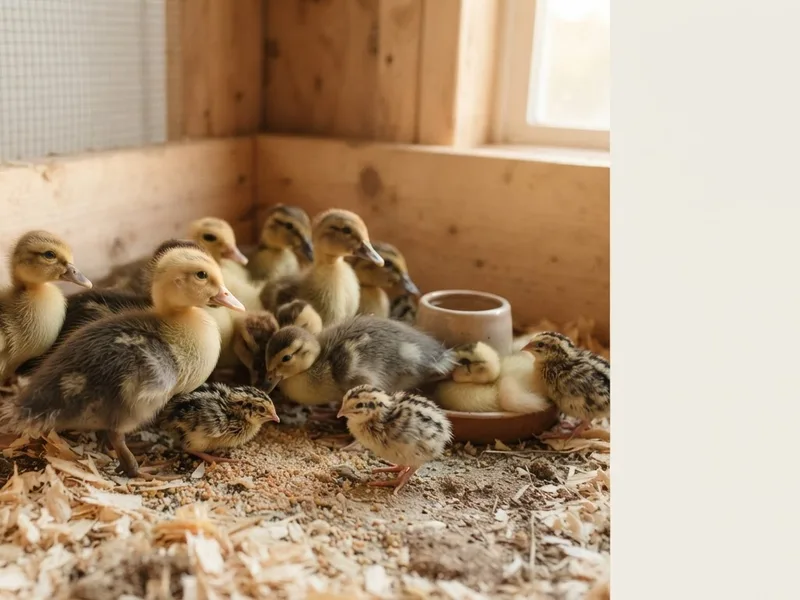
Once a duckling is dry and active, move it to a ready duckling brooder, which is a warm, draft free setup for young birds, with clean water and starter feed. A dry duckling is far easier to help than one you rushed out of the shell.
Duck egg hatching questions that matter
What is the normal hatch window for duck eggs?
Most domestic duck eggs hatch around day 28 after setting. Muscovy duck eggs usually take about 35 days. Give the eggs a one to two day cushion before you decide something is wrong.
Why did my duck eggs hatch early?
Early pips can mean the incubator ran warm, humidity was low, the shell is thin, or the egg came from an uncertain start date. Some early ducks hatch fine, but weak early birds may stall. Watch, wait, and do not open the shell.
Why are my duck eggs still not hatching after 29 days?
A single late egg can be fine. If many are late, check temperature, humidity, turning, and whether the eggs were stored before setting. Candle carefully to see if there is a pip, air cell, or no development. If the eggs smell rotten, remove them and clean the area.
Can I help a duckling out of the shell?
No, not by peeling. A pip means the duckling is working and resting. Peeling can cause bleeding or weakness. If more than a day has passed with no progress, or the duckling is wet or injured, contact an avian vet for advice.
Do ducks hatch eggs naturally?
Yes, if the duck is broody. A broody duck is a female who has switched from laying to sitting on eggs. She can hatch them, but the nest must be clean, dry, and protected from predators and interruptions.