Quail Chicks: Care From Hatch to 6 Weeks
Raising quail chicks is a small, fast job. The chicks are tiny, but they can outgrow a brooder before you notice it. Your goal for the first six weeks is steady heat, clean dry space, safe shallow water, and 28 to 30 percent game bird starter.
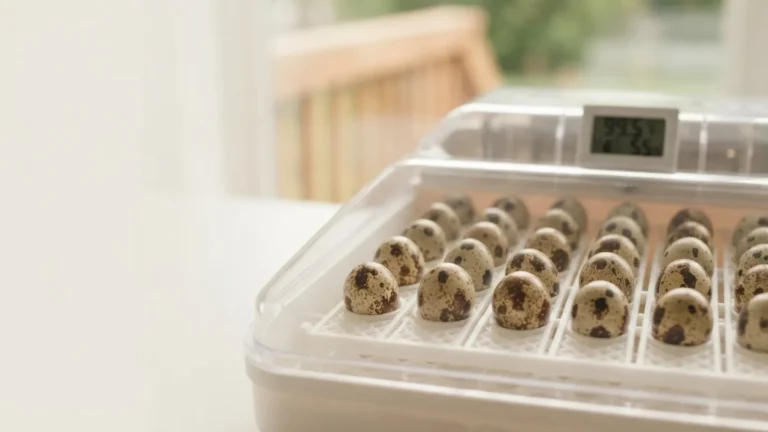
Coturnix quail, the most common backyard egg quail, hatch in about 17 to 18 days and then grow quickly. That speed is a good thing, but it also means a chick that is cold, wet, or cramped can get into trouble fast.
The usual problems are simple: heat set too high or too low, feed not suitable for chicks, water too deep, bedding soggy, and handling that chills or stresses tiny birds. Fix those, and most quail chicks are easy and entertaining.
At a glance: what quail chicks need
- Start week one heat around 95 degrees Fahrenheit at chick level, then lower it gradually if chicks are active, dry, and not huddling.
- Use game bird starter around 28 to 30 percent protein, kept clean and stored in a closed container.
- Keep water shallow and guarded with marbles, pebbles, or a chick safe waterer.
- Leave the brooder when chicks are mostly feathered, the new space is dry and predator proofed, and night temperatures are not risky.
- One mistake to avoid: keeping the brooder heat fixed for weeks without watching chick behavior.
Weekly care plan for quail chicks from hatch to 6 weeks
Week 1: Hatch to day 7
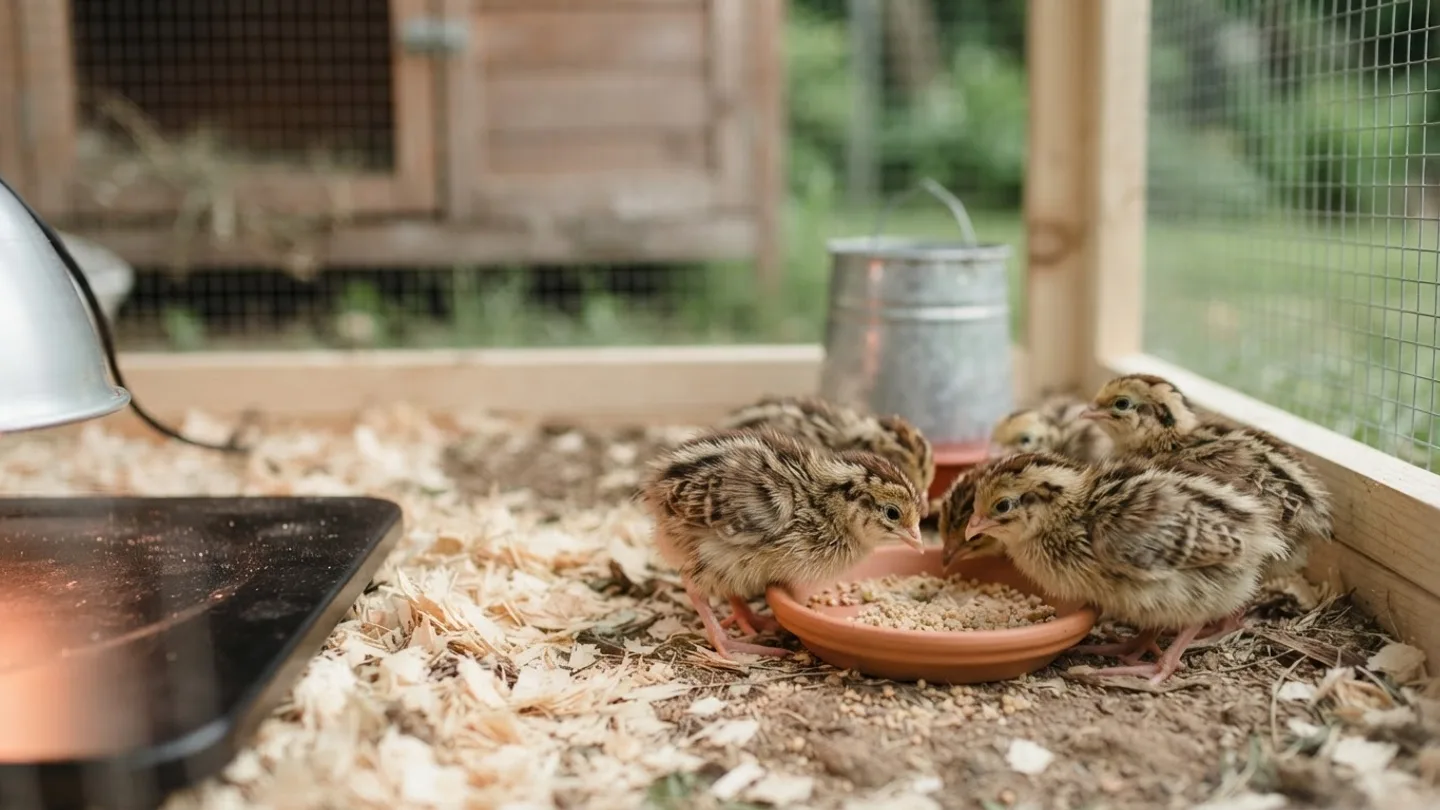
Keep heat at about 95 degrees Fahrenheit at chick level. Set a lamp or plate so chicks can move toward or away. Line the brooder with paper towel or chick paper, not slick newspaper. Sprinkle starter on paper for the first day. Use a dish with marbles or a guarded waterer. Check that chicks are eating, drinking, and moving freely.
Week 2: Day 8 to day 14
Lower heat by about 5 degrees if chicks are not huddling under the source. Move from paper to deeper absorbent bedding if they are past the most fragile days. Clean wet corners daily. Watch for mud around waterers, because quail chicks are small enough to turn a wet brooder into a mess by the next check.
Week 3: Day 15 to day 21
Aim for around 85 degrees at chick level. Pin feathers should be showing on a good brooding. If chicks spread far from the heat or pant, reduce heat or improve airflow. If they stack under heat, add heat or remove draft. Keep bedding dry and starter fresh.
Week 4: Day 22 to day 28
Continue lowering heat gradually, often around 80 degrees, but let behavior decide. Provide room to move between feed, water, and heat. Increase feeder and waterer capacity as they drink more. Clean the brooder before odor or dampness builds.
Week 5: Day 29 to day 35
At around 75 degrees, check the back and wings for feather cover. Quail grow fast, but individual birds vary. If night temperatures are cool and the brooder is safe, do not rush removal. Do not put chicks outdoors at night if you cannot guarantee dryness, warmth, and predator safety.
Week 6: Day 36 to day 42
Prepare to leave the brooder when chicks are mostly feathered, strong on their feet, and the new space is ready. Set the brooder heat lower for a day or two if the space will be cooler. Move them in daylight, give safe water, and check that they can find feed.
Heat, bedding, water, and handling that keep quail chicks steady
A brooder is not just a box with a bulb. It is a climate. Quail chicks are small enough to chill quickly, so the heat source needs a cool side as well as a warm side. If all the chicks sit right under the lamp, they are cold. If they all sleep far away, the heat is too high. If some pant with wings out, lower the heat and improve airflow.
For cheap DIY options, a clean storage tote with a lamp clamp works early, but it is small and can overheat. A cardboard box with a taped lid is a backup, not a brooder. A shallow plastic tub or stock tank is better once chicks are past the first week.
Bedding should stay dry. Damp litter chills feet, breeds smell, and creates a mess. Change paper liners daily when using them. For older chicks, use pine shavings or other safe absorbent bedding, then remove wet patches. Keep waterers off the floor or on a grate if possible.
Feed the right feed from day one. Game bird starter around 28 to 30 percent protein is a good fit for quail chicks. If you use chick starter, pick one labeled for chicks and check whether it is suitable for quail. Do not feed adult layer ration to chicks.
Water safety matters more with quail than ducks. A duckling can swim and dry off better than a quail chick. A quail chick can be trapped by its own small size. Use marbles, pebbles, or a guard that still allows drinking. Change water daily.
Handling should be quick and calm. Cup a chick gently in one hand, support its body, and put it back before it gets cold. Children need supervision, and handwashing matters more with tiny chicks because equipment gets carried into the kitchen and hallway. If a chick seems weak, sick, or falling behind, talk to an avian vet or your state veterinarian before guessing with remedies.
For the detailed brooder layout, see quail chick brooder setup.
Common quail chick questions
When do quail chicks need less heat?
Start around 95 degrees Fahrenheit in week one, then lower it gradually as feathers develop. Watch whether chicks are comfortable, not the clock. Add heat if they huddle; reduce heat if they spread away, pant, or avoid the source.
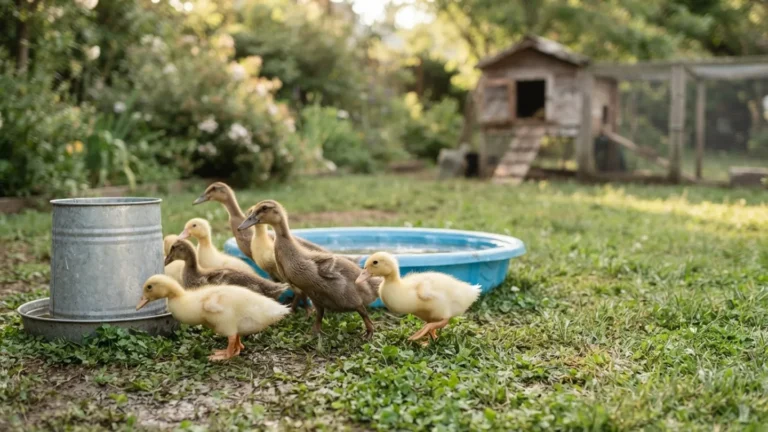
Can quail chicks use a swimming pool like ducklings?
No, not really. Quail chicks are small and can chill. If they want to bathe, offer a shallow tray with pebbles and supervise, then remove them to dry. Do not leave water in a deep pan.
What if all my quail chicks seem cold?
Check the brooder draft, increase heat safely, and make sure the chicks can reach the warm side. If many chicks are weak, wet, or dying, separate the group and contact an avian vet or the state veterinarian.
When can I move quail chicks out of the brooder?
When they are mostly feathered, active, dry, and the new space is predator proofed and not too cold. If night temperatures are uncertain, keep them inside longer.
Leaving the brooder: feathers, drafts, and a safe move
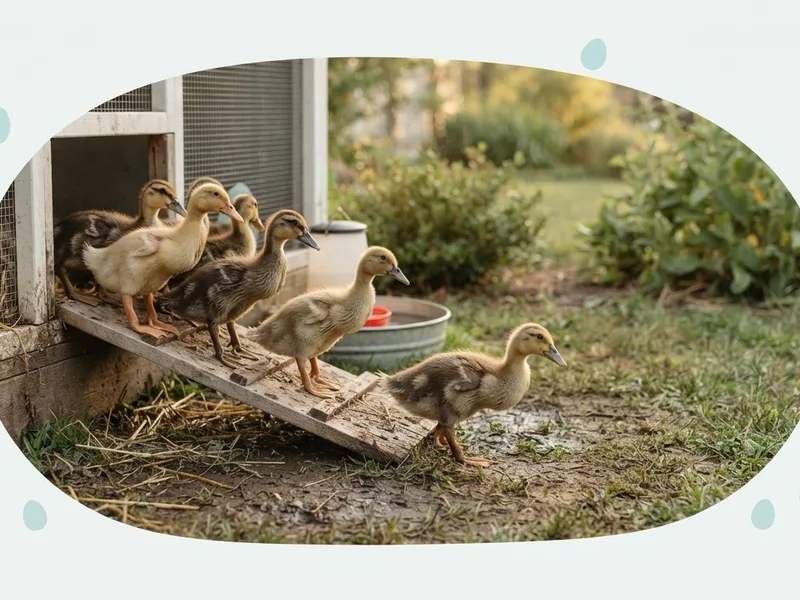
By week 6, many Coturnix quail chicks have enough feathers to hold heat better than day one fluff. That still does not mean the brooder can be removed the same day. Look for clean, dry birds that are active through the cool part of the morning.
The new space needs feed, water, shade, and a dry floor. It also needs predator proofing. Quail are small, and predators find small birds fast. A run that would work for a chicken may need tighter mesh, lower perches, and secure corners for quail.
If the move will happen at night, do not do it. Move chicks during the day, let them settle, and stay close while they find water. If they go quiet, huddle, or avoid the heat you removed, bring heat back or put them somewhere warmer.
Quail chick care questions
Should quail chicks get medicated feed?
Use a starter labeled for the birds you raise. If the label does not clearly say it is suitable for quail, do not guess. Choose an unmedicated starter or ask the feed supplier.
How often should I clean the brooder?
Check it daily. Remove wet bedding, rinse waterers, and top up dry litter. Quail chicks are tiny, so a little moisture becomes a big problem fast.
Can quail chicks live outside in a shed?
They can, if the shed is draft free, dry, predator proofed, and cool enough without being cold. If night temperatures are uncertain, keep them inside longer.
CDC handwashing box for quail chicks
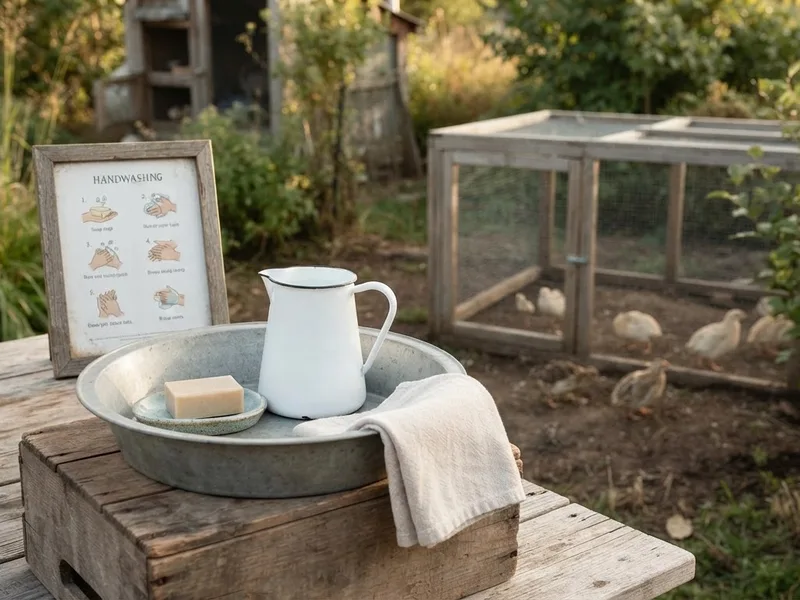
Wash hands with soap and water after handling quail chicks, bedding, feed, waterers, or brooder tools. Do this before eating, drinking, or touching your face.
Supervise children. Keep chicks and equipment out of the kitchen and hallway. If you use a utility sink for chicks, do not use it for food prep.
If anyone in the house has weak immunity, very young children, older adults, or health concerns, keep the brooder away from living spaces and wash hands carefully. If you have questions, follow local public health advice or talk to a health professional.
Next step: laying and adult care
Once chicks leave the brooder, the next big questions are space, feed, and egg timing. The Coturnix guide covers adult care and laying expectations.