Salmonella From Ducklings: CDC Safety Rules for Families
Salmonella from ducklings is a hands and kitchen problem, not a mystery. A duckling can look bright and healthy and still pass Salmonella bacteria through its droppings. Droppings is keeper talk for bird waste. The bacteria can end up on beaks, feet, eggshells, waterers, feeders, brooder trays and anything else the bird touches.
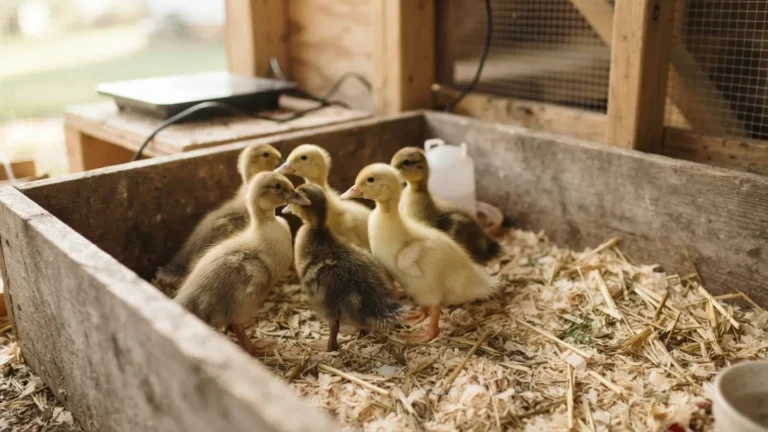
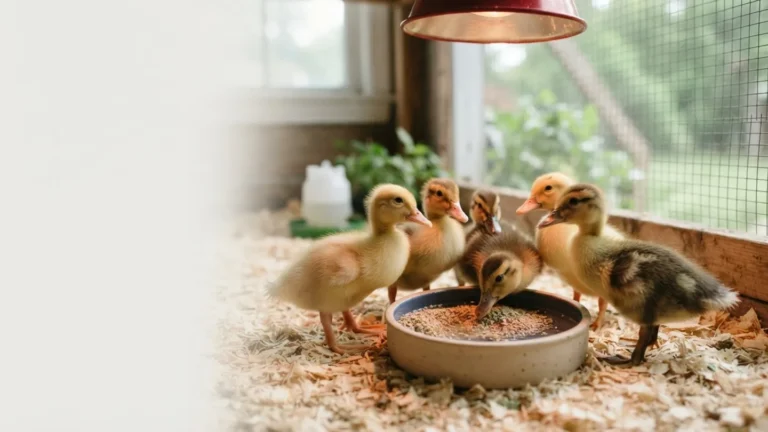
Before you bring home a box of ducklings or let a child help with a duckling brooder, the heated indoor setup for young birds, read the CDC safety rules for families. They are plain: wash hands after contact, do not kiss or snuggle the birds, keep birds and bird gear out of the kitchen, and keep children under 5 from handling ducklings. This is not a reason to skip ducks as pets, just a reason to set habits early.
At a glance: CDC rules for ducklings
- Wash your hands after touching ducklings, eggs, waterers, feeders, bedding, droppings and toys.
- Do not kiss, snuggle or hold ducklings near your mouth, nose or food.
- Keep ducks, quail and all bird gear out of kitchens, dining rooms and food prep areas.
- Children under 5 should not handle ducklings. Older children need direct adult supervision.
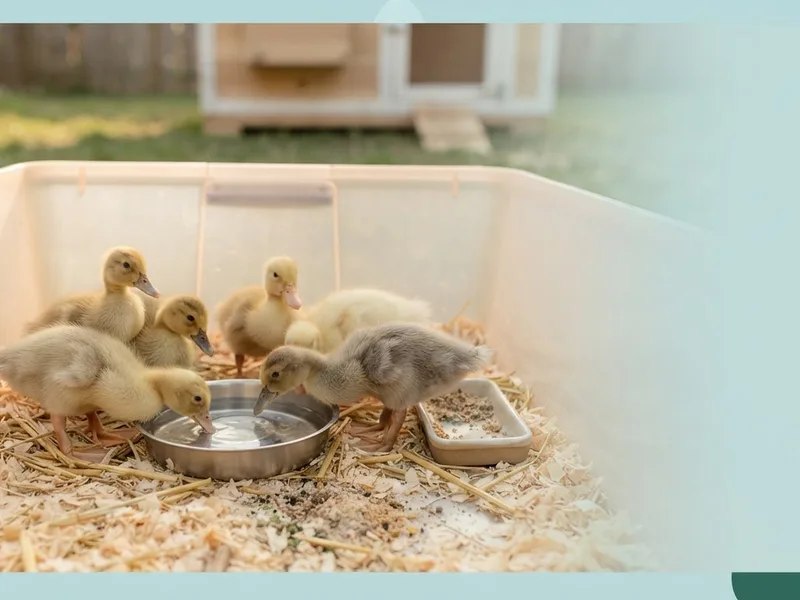
- Clean brooder trays, coop gear and waterers away from human food, then wash your hands.
What CDC guidance covers for ducklings
The CDC guidance for backyard poultry is about reducing everyday contact between people and bird germs. Ducklings are small enough to sit on a counter and loud enough to make a child laugh, so families often forget that beaks, feet and droppings are not clean.
Salmonella spreads through the digestive tract of birds and leaves the coop in droppings. A tiny amount of waste can move from a foot to a brooder mat, to a child's hand, to a snack, then into a stomach. The path does not require a messy coop to exist.
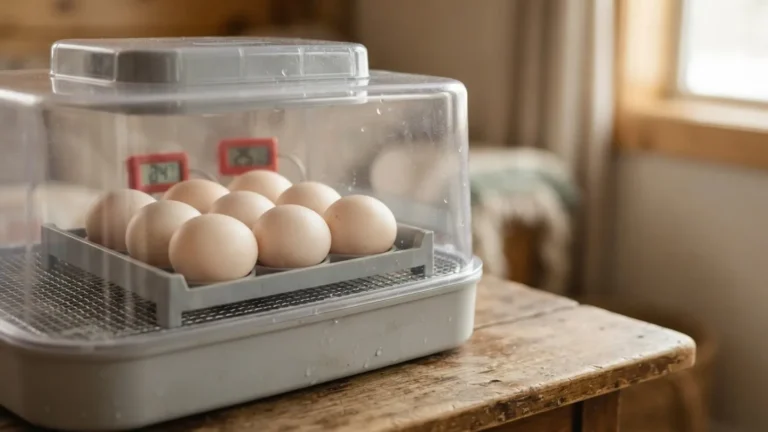
Eggs matter too. Eggshells can carry bacteria from the bird, and dirty eggshells can contaminate hands and counters. If you collect eggs, wash your hands afterward and keep egg contact away from food prep.
None of this turns your ducklings into a hazard you must fear. It does mean the routine has to be strict. Keep bird contact outside the kitchen, keep faces away from beaks, keep under 5 children from handling the flock, and wash hands after every touch. If a child or adult gets sick after contact with birds or eggs, call a doctor and mention the birds. If a duck looks sick, contact an avian vet, a state veterinarian or a local poultry health service. Do not guess.
The family routine after every duckling check
1
Finish at the bird area first. Wash your hands with soap and water before touching a phone, a snack, a child's hand or a kitchen surface.
2
Put away anything that touched the brooder, coop or waterers, including toys, bedding and egg baskets.
3
Keep food and drink out of the brooder area. Ducklings may not knock over a cup, but they will walk through crumbs and drop waste.
4
Do not bring birds, bird gear or bird waste into kitchens, dining areas or rooms where children eat.
5
Have an adult supervise children over 5 and teach them to wash hands after every duckling interaction.
6
Clean brooder trays, coop gear and waterers outside or in a utility area that can be disinfected. Keep the kitchen sink clear.
Family questions about Salmonella risk
Do ducklings carry Salmonella even when they look healthy?
Yes. CDC guidance says birds can carry and shed Salmonella bacteria without looking sick. A lively duckling is not proof that it is safe for faces, food prep areas or unsupervised handling.
Can my child hold a duckling for a school photo?
If your child is under 5, CDC guidance says no. For an older child, have an adult hold the duckling, keep the bird away from the child's face and food, and wash the child's hands right afterward.
Can I wash duckling gear in the kitchen sink?
No. CDC rules keep bird gear and bird waste out of food prep areas. Use an outdoor area, a utility sink or a space you can clean thoroughly afterward.
Does a clean, small coop remove the need for these rules?
No. Even a clean flock can shed Salmonella in droppings. The rules are about hand contact, mouths, food and age risk. Keep the routine simple and boring.