Incubating Quail Eggs Step by Step
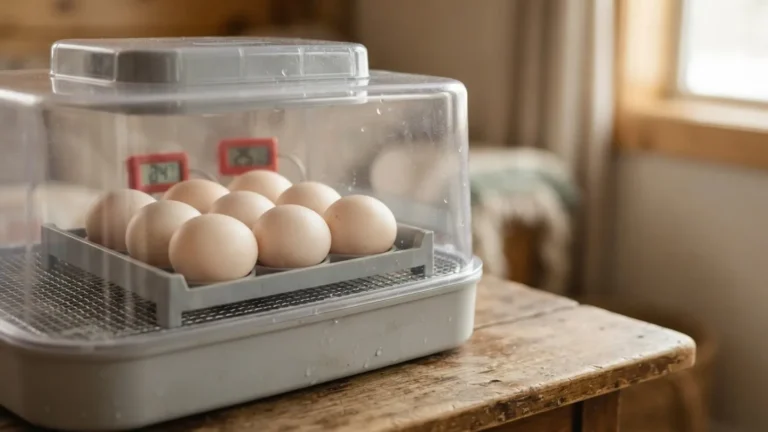
If you want to learn incubating quail eggs, Coturnix are the easiest backyard place to start. Set a forced air incubator to 99.5°F, plan for 17 to 18 days, and start lockdown around day 14. Humidity should be steady while the embryo develops, then raised for the hatch.
Quail eggs are smaller than duck eggs, so a small incubator quirk becomes a problem faster. Use clean eggs, store them properly if you cannot set them right away, turn them before lockdown, and avoid opening the incubator once hatching starts.
You do not need a fancy setup, but you do need stable heat, a way to measure humidity, and a plan for the day the chicks arrive.
What is covered here
The basic Coturnix incubation timeline
Day 1: Set the eggs
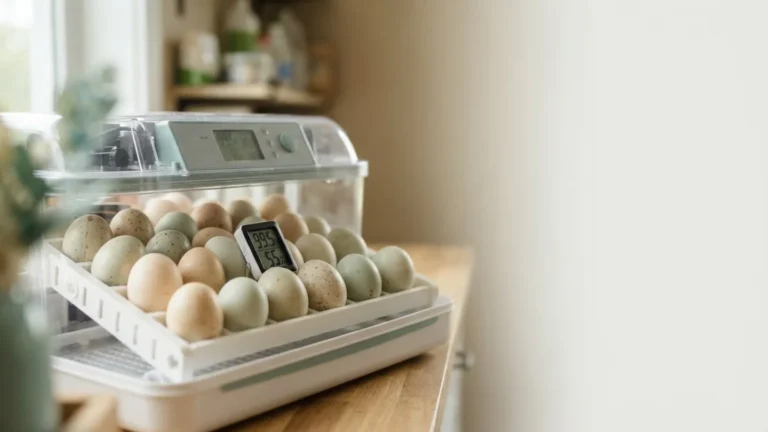
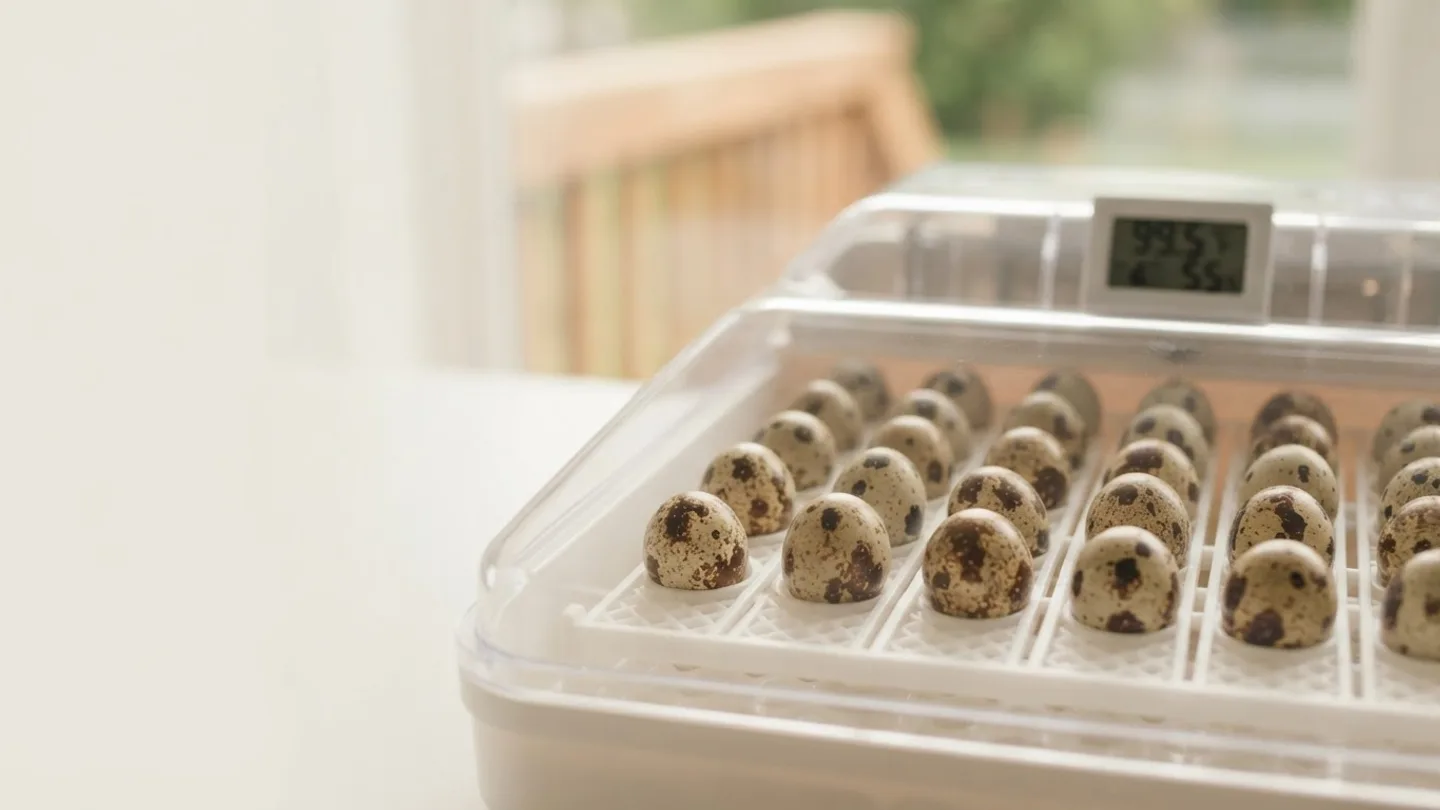
Start with a forced air incubator, which uses a fan to move air, already holding about 99.5°F at egg level. Place the eggs small end down if your tray allows it, close the incubator, and leave it alone while it settles.
Days 1 to 13: Turn and watch
Turn the eggs several times each day so one side is up, then the other side is up later. Keep the temperature steady and watch humidity with a hygrometer. Do not open the lid for small doubts.
Day 14: Start lockdown
Lockdown means stopping turning and preparing for hatch. Raise the humidity setting so the shell membranes stay soft and the chicks can pip without getting stuck. Leave the eggs where they are.
Day 17 to 18: Hatch window
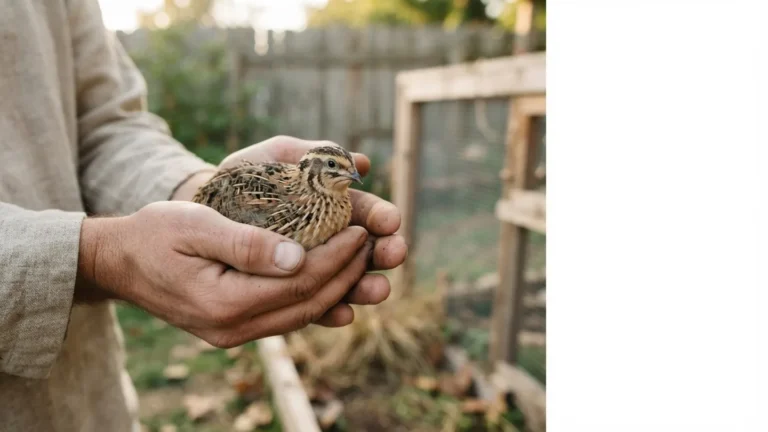
Most Coturnix quail eggs hatch around day 17 or day 18. You may hear faint peeping first, then see a small chip or pip in the shell. Let the chick work out of the shell on its own.
After the hatch: Clean up and heat
Move fully dry chicks to a brooder, the warm setup where young quail are raised after hatch, that starts around 95°F. Provide a shallow water source so they can drink without soaking.
Choosing and storing quail eggs before setting
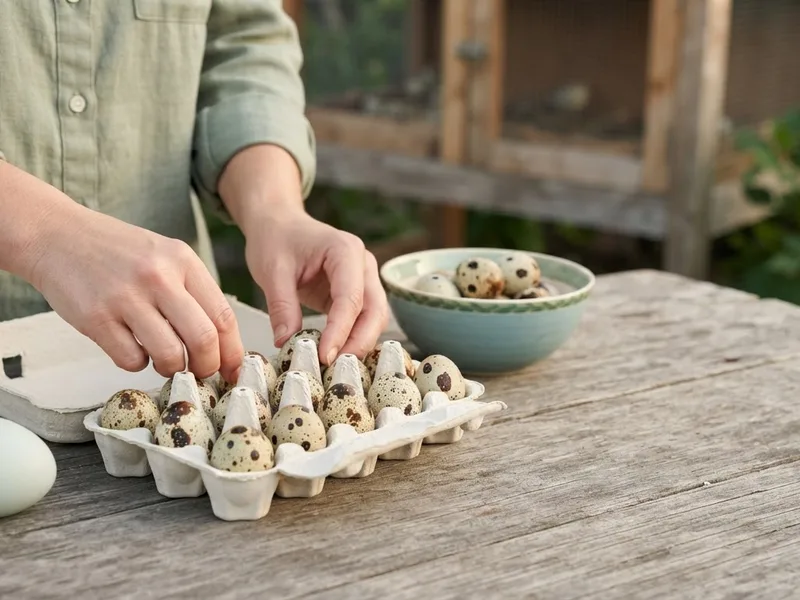
Good results start before the incubator warms up. Select eggs from hens that are healthy, well fed, and not freshly stressed by a move. A clean shell is more important than a pretty one. Avoid eggs with cracks, soft spots, ridges that come and go, or a rough, chalky surface that is too porous. Dirty eggs can be stored clean but do not scrub them with soap. If a shell is badly soiled, it is not worth the risk.
Collect eggs daily and set them as soon as practical. If you need to wait, store them small end down in a cool, dry place away from strong smells and direct sunlight. Turn the tray or carton at least once a day until setting so the yolk does not settle in one position. Quail eggs are tiny, so they dry out faster than bigger duck eggs. If your storage room feels dry, add water nearby for humidity, not on the shell.
You can candle, which means shining a bright light through the egg to check for a crack, a large air cell, or early veins. For a new keeper, candling is not required every day. It is useful once during the middle of incubation and again if the eggs seem to have stopped peeping in the hatch window.
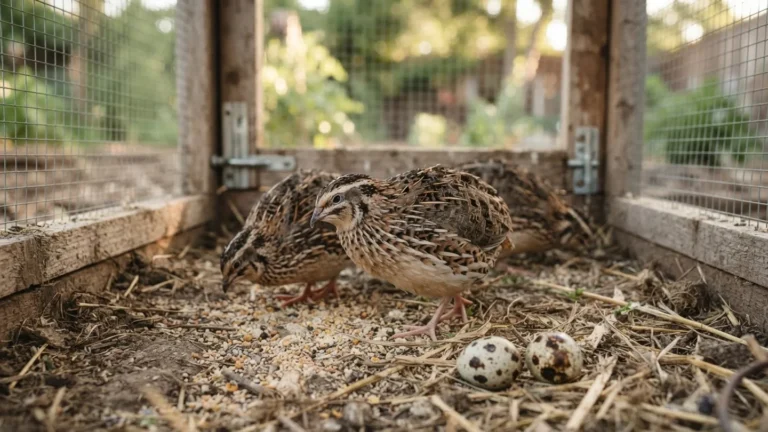
Fertility depends on mated hens, not on the incubator. A hen can lay eggs without a male, but those eggs will not hatch. If your group needs a breed overview first, Coturnix quail explains the bird before you buy or incubate.
Small incubator quirks and hatch-day fixes
- Small incubators swing temperature, humidity, and airflow fast when opened. Check the incubator for at least a full day before setting.
- Measure at egg level, not at the thermostat. A cheap digital thermometer and a hygrometer help you see what the eggs are actually getting.
- Stop turning around day 14 and raise humidity for lockdown. If the shells are pipping too dry, humidity may have been too low.
- Leave chicks in the incubator until they are dry and fluffy. Pulling a chick out of its shell too early can tear tissue that is not ready to separate.
- Have a brooder, shallow water, and clean paper or matting ready before hatch. Quail chicks can get lost, chilled, or wet very quickly.
Quick answers for new incubators
What temperature do I use for Coturnix quail eggs?
For a forced air incubator, use 99.5°F at egg level. Keep it steady before and during lockdown.
How long do Coturnix quail eggs take to hatch?
About 17 to 18 days. Check the incubator date, not only the clock, and give late hatchers a full day.
When do I stop turning quail eggs?
Stop turning at lockdown, around day 14. From there, the eggs need stillness and higher humidity for hatch.
What humidity should I use?
Use the humidity guidance for your incubator and stage. Keep it steady while the embryo develops, then raise it before lockdown. A hygrometer is your friend.
Can I incubate quail and duck eggs together?
It is possible only if you can manage different timelines and stages. Duck eggs usually take about 28 days, and humidity needs differ. For most home keepers, separate incubators are easier.