Indian Runner Ducks: The Upright Egg Layer
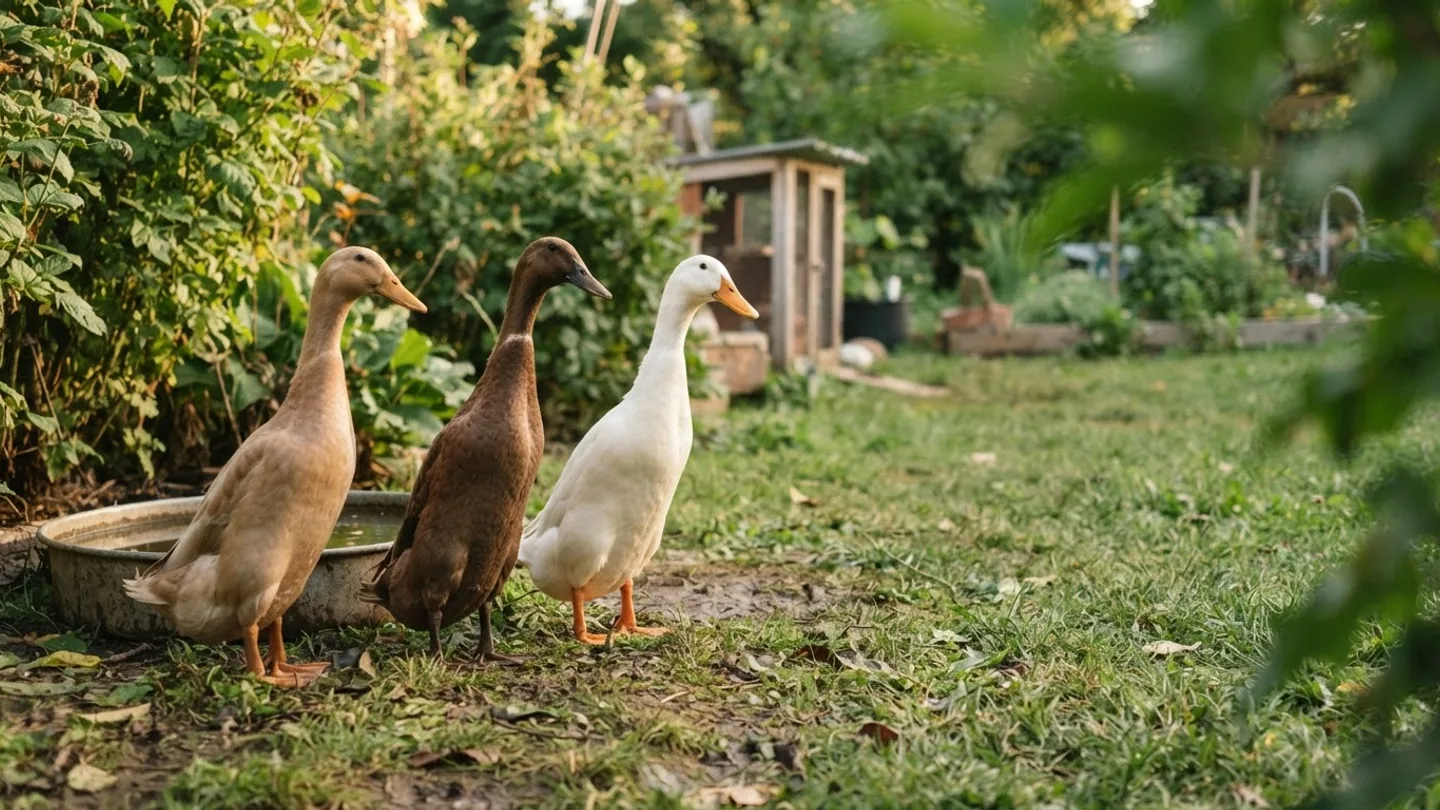
Indian Runner ducks stand upright like bowling pins that have decided to work for a living. They are narrow, active and built for foraging, not sitting on a lap. If you are counting on 150 to 300 eggs a year, a healthy Runner hen is one of the birds that can make that number realistic.
This guide is about the breed, not a universal care manual. It covers temperament, colors, fence height and the people who should choose another duck. If you are deciding which duck breeds fit your yard, start here and then match the bird to your space and patience.
At a glance: Indian Runner ducks
- Posture: upright, long neck, narrow body and a bowling pin silhouette.
- Eggs: often 150 to 300 per hen per year when feed, light and housing are steady.
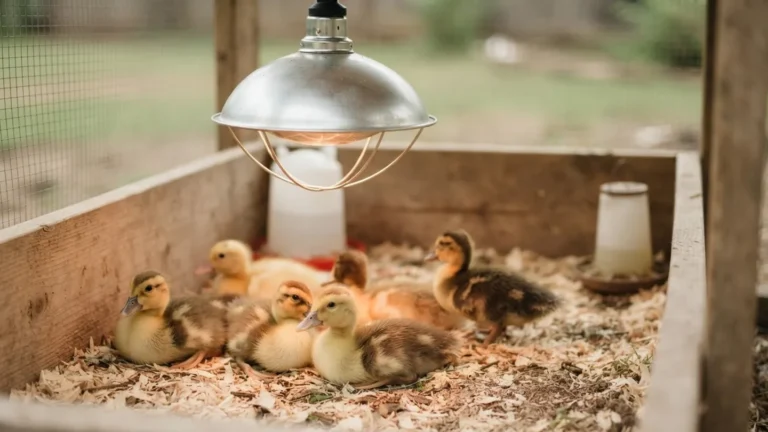
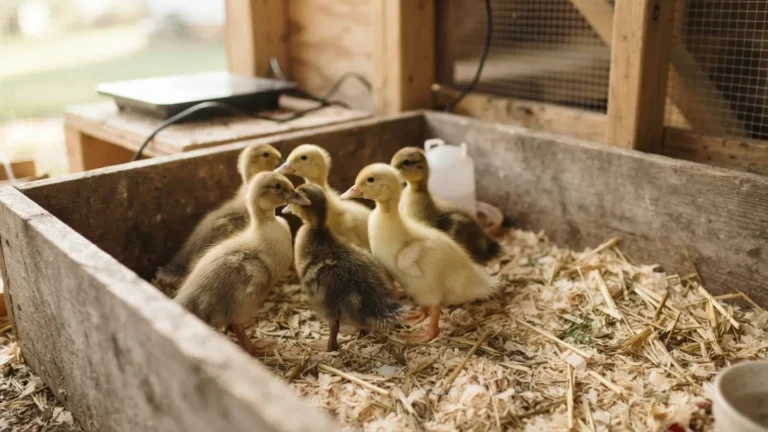
- Ducklings: about 90 degrees Fahrenheit in week one, then lower heat as feathers grow.
- Space: plan 3 to 4 square feet per bird inside the coop and more daytime room outside.
- Feed: waterfowl starter, around 18 to 20 percent protein, then layer feed once a young duck reaches point of lay.
- One mistake to avoid: keeping a single Runner alone. Ducks are flock birds, and isolation shows.
Why the Indian Runner stands apart
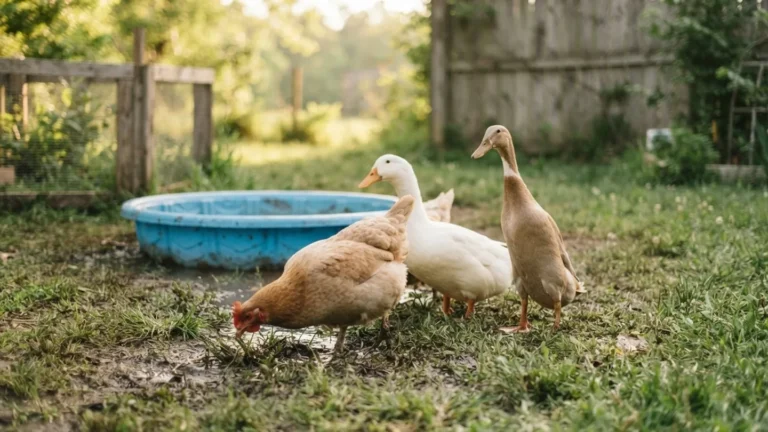
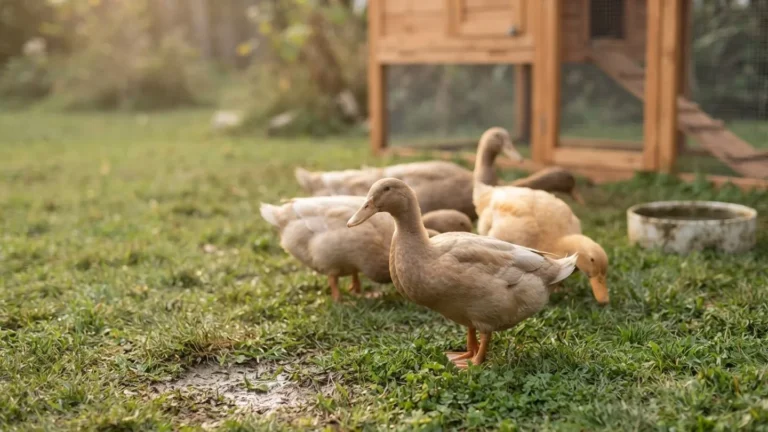
Runners look odd because they stand on their tail end. The upright stance lets them move through grass and garden beds while keeping a low head for picking bugs. They are working ducks: they forage hard, eat pests and tend to keep moving when other breeds would sit.
Egg output is the main reason people choose them. A good laying strain can put out 150 to 300 eggs a year. That number assumes the bird is not molting badly, not heat stressed and not overfed junk food. It also assumes you are patient with the first eggs, because young ducks can take a few weeks to settle into a rhythm. See when ducks start laying for the general timeline.
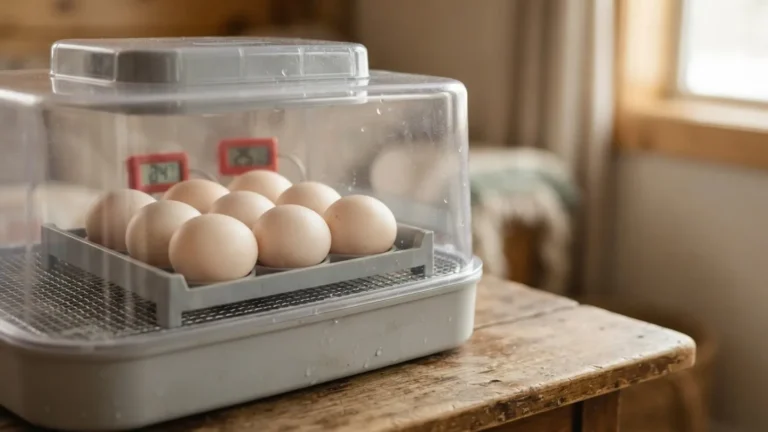
A point of lay is the age when a young duck is expected to begin laying. For many ducks, it comes after the first big feather growth, and it can shift by breed and season. If you hatch eggs, most duck eggs need about 28 days in the incubator. Runners are active birds, so if you want a duck that will sit in a nest box and raise a brood without help, you may be disappointed. That trait is called broody, and it is more common in some ducks than in Runners.
The shape matters in the backyard. Runners are less square than a Pekin, so they are not a meat bird first. Their value is eggs, foraging and personality, provided you give them room.
Pros
- Strong egg production in good conditions.
- Active foragers for pests and yard work.
- Lighter than many heavy breeds.
- Distinct upright posture.
- Good for keepers with space and patience.
Cons
- Nervous and easily startled.
- Not cuddly pets.
- Need secure tall fencing.
- Messy if housed with too little run space.
- Not the best choice for a small suburban yard.
Colors, fence height and daily life
Colors vary. In backyard flocks, fawn and white are common, with black, blue, mallard patterns and other shades also seen. Color does not change temperament much, but a nervous young duck can become calmer if handled by hand at feed time.
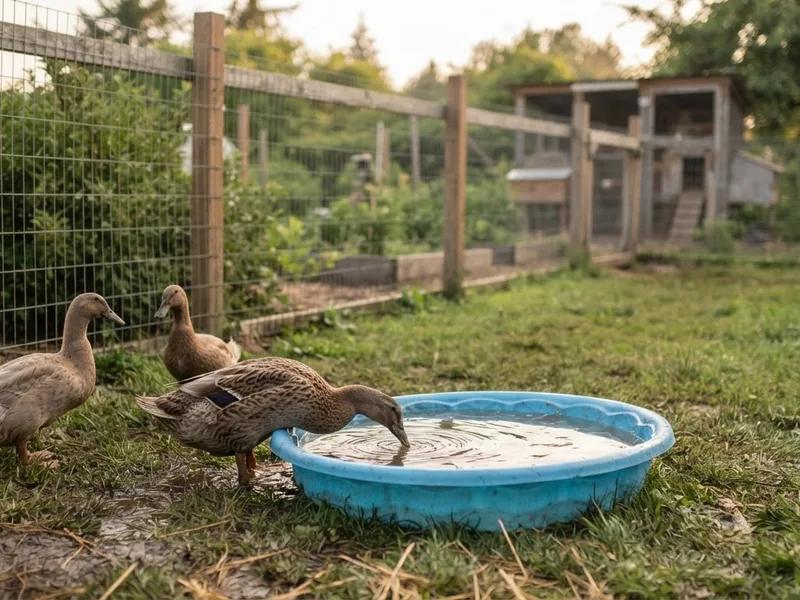
Fence height is a big deal. Runners are upright and can jump or flutter over a short barrier. Many keepers find that a 6 foot fence or a covered run is a better bet than a casual chicken wire pen. If predators are common, use hardware cloth in the run, not just decorative fencing. A kiddie pool gives swimming space, but expect mud around it.
Temperament is honest: Runners are alert, busy and a little spooky. They are not lap ducks. You can tame them with food and quiet handling, but do not bring home impulse ducklings in spring and expect a dog-like pet. A male duck is a drake. A female duck is a hen. Keep at least two ducks, and if you keep a drake, know how many hens you have. Too many drakes for a small hen group causes trouble for the birds and the keeper. If neighbors may complain, check city hall or the HOA rules before adding a drake.
Feed them like ducks, not like chickens. Ducklings need starter feed with enough niacin, and adults on eggs need layer feed. If you are not sure what a young bird needs as it grows, read what ducklings eat before the first trip to the feed store. Runners will wear a small yard to mud if you give them too little run space, so feed management and space go together.
Common questions about Indian Runner ducks
Are Indian Runner ducks good egg layers?
Yes, when kept in good condition. Many produce 150 to 300 eggs a year, but that depends on feed, light, health and whether the bird is molting.
Do Indian Runner ducks fly?
They are usually too tall and upright for long flight, but they can jump and flutter over a low fence. A covered run or a 6 foot fence is safer than a short barrier.
Are Indian Runners friendly?
They can be tame with consistent food and handling, but they are active and nervous, not cuddly. They are better for people who enjoy watching a working backyard flock.
Can I keep one Indian Runner duck?
No. Ducks are social birds, and a lone Runner is more likely to be stressed and noisy. Keep a pair or a small flock, and think about drake to hen ratios before adding a male.
Do Runners need a pool?
They do not need to swim to be happy, but they do need enough water to drink and clean their bills. A kiddie pool is cheap, but expect splash, mud and daily water changes.
Should a beginner choose an Indian Runner?
If you have space and want eggs, yes. If you want a quiet, calm duck for a tiny yard, another breed may fit better.