Heat Lamp for Ducklings: Temperatures by Week and When to Stop
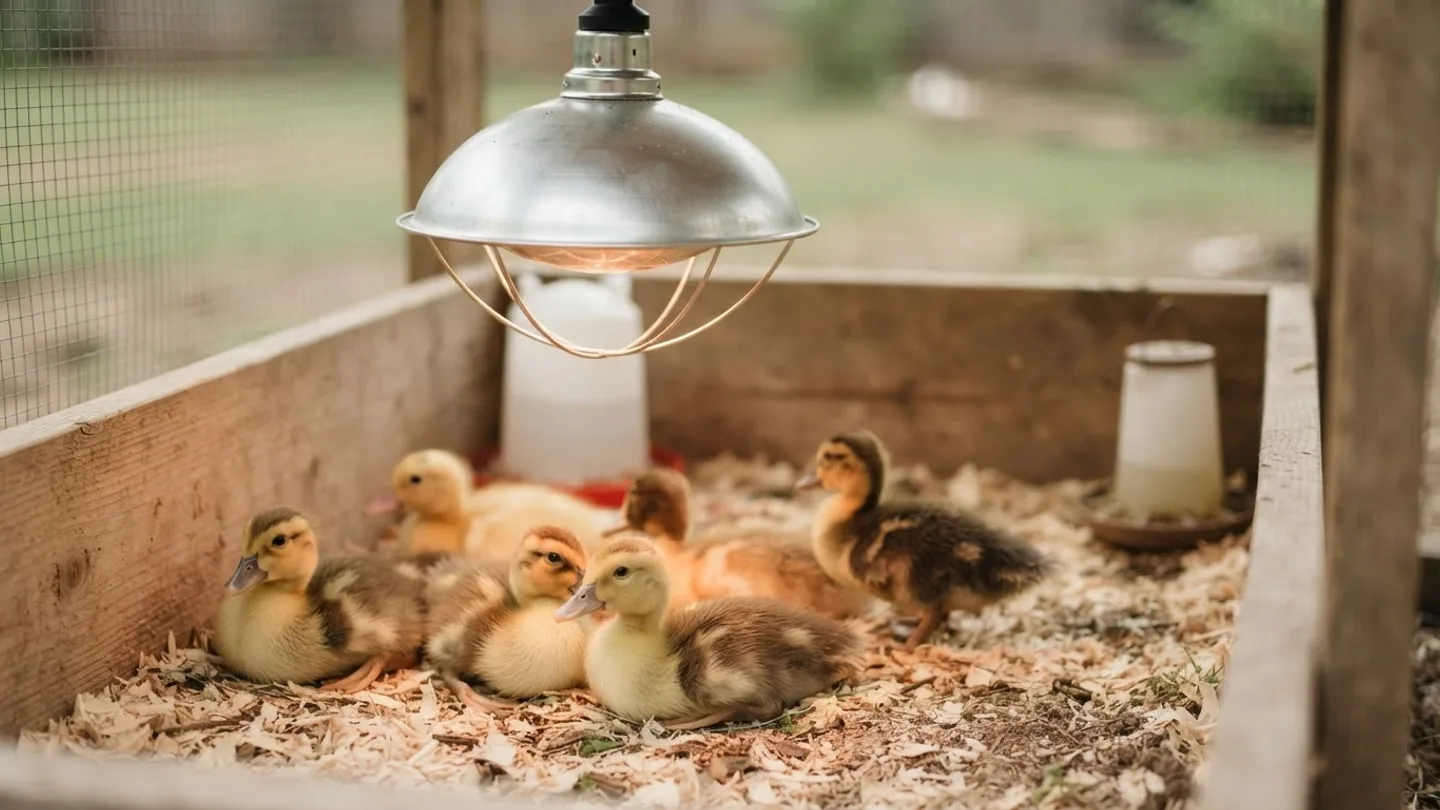
If your ducklings have down, they need help staying warm. A heat lamp for ducklings can work, but the real job is keeping the brooder area at the right temperature, not hanging a bulb and hoping.
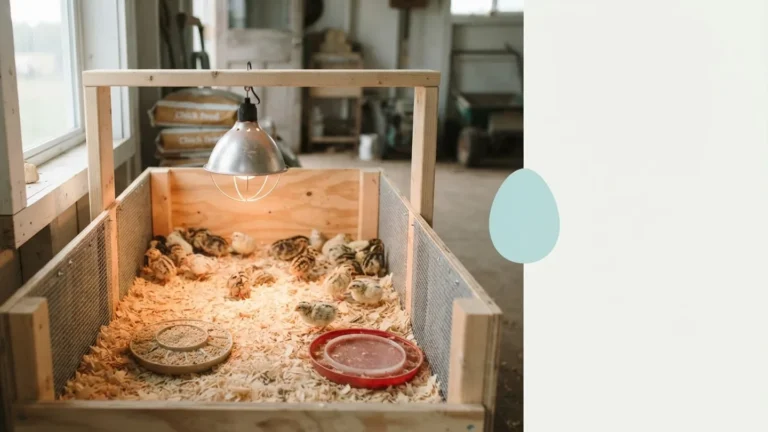
Start at about 90°F in week one, then lower the heat by roughly 5°F each week until the area is about 70°F or the ducklings are fully feathered. Their behavior is your thermometer. Huddling means too cold. Moving away means too hot.
Before you mount anything, compare a heat lamp with a heat plate, because fire risk, cleanup, and duckling behavior change. Then use the schedule as a guide and let feathers, activity, and ambient temperature decide when to stop.
What This Guide Covers
Key takeaways
- Set the first week near 90°F at duckling level, then reduce by about 5°F each week.
- Stop when the brooder is near 70°F and the ducklings are fully feathered, unless weather or housing still demands warmth.
- If ducklings pile under the lamp, they are cold, not cozy.
- If ducklings move away, pant, or hold wings out, they are too hot.
- Heat plates usually have lower exposed bulb fire risk, but they are not risk free.
- A heat lamp is not a substitute for a brooder without drafts, dry bedding, and daily checks.
Temperature schedule by week
Week 1: about 90°F
Keep the brooder floor under the heat around 90°F when ducklings are still downy. If they pile under the lamp or cheep loudly, add warmth or block a draft.
Week 2: about 85°F
Lower the lamp or heat output by roughly 5°F. Check behavior twice a day. Ducklings should spread out, eat, drink, and nap quietly.
Week 3: about 80°F
Keep reducing heat as feathers begin to cover the body. Watch for side walls being too crowded. A cold draft can force a pile even if the lamp is warm.
Week 4: about 75°F
Many fast growing breeds are much better feathered by now. If ducklings avoid the lamp and act comfortable, hold steady or continue lowering.
Week 5: about 70°F or stop
By week five, aim near 70°F if the ducklings are healthy and active. Stop supplemental heat when they are fully feathered and the brooder stays warm enough without drafts. If they are not feathered, keep the last comfortable temperature for a little longer.
Reading duckling behavior
The best check is not the bulb wattage or the height. It is where the ducklings are standing, sleeping, eating, and avoiding. A comfortable flock spreads across the brooder. Some birds sit under warmth, some sit farther away, and all of them move without drama.
If ducklings are too cold, they huddle under the heat, pile in one spot, cheep, and do not settle. If ducklings are too hot, they move to the edges, pant, hold wings out, reduce activity, or avoid the warm side. If you see a tight pile, do not assume they love heat. They may be cold.
Measure at duckling height, not just air temperature near the ceiling. Use a thermometer near the floor under the lamp and another at the cool edge. If the brooder has drafts, a lamp can look fine while a corner feels cold. A simple check in duckling brooder setup helps you avoid the usual mistakes.
Behavior can also reflect health, water, feed, or too many birds. If ducklings remain weak, messy, or quiet after you adjust heat, move on to food, space, and care checks in How to Care for Ducklings Week by Week.
| What to compare | Heat lamp | Heat plate |
|---|---|---|
| Fire risk | An exposed bulb and fixture can ignite dry bedding, dust, or feathers if the setup is loose, dirty, or knocked over. | A heat plate often has less exposed bulb heat, but flammable items still must stay clear, and a poor mount can still be a hazard. |
| Seeing behavior | Bright light makes huddling, panting, and crowding easier to spot at a glance. | A plate can hide where the hottest zone is, so you need to check duckling level often. |
| Light and sleep | A visible bulb can keep the area lit when ducklings should have dark, unless the light source is controlled. | A plate can warm without bright light, but you still need enough daylight or a separate light for normal routine. |
| Duckling access | Ducklings can get directly under an open lamp, which helps when too cold and hurts when too hot. | Ducklings may walk around or partly under a plate, but awkward placement can trap birds or create a too hot edge. |
| Cleanup and moisture | Bulbs, fixtures, and cords need regular drying and checking after splashing, dust, and messy ducklings. | Plates can be wiped, but cords, switches, and wet bedding still need inspection. |
Heat lamp safety basics
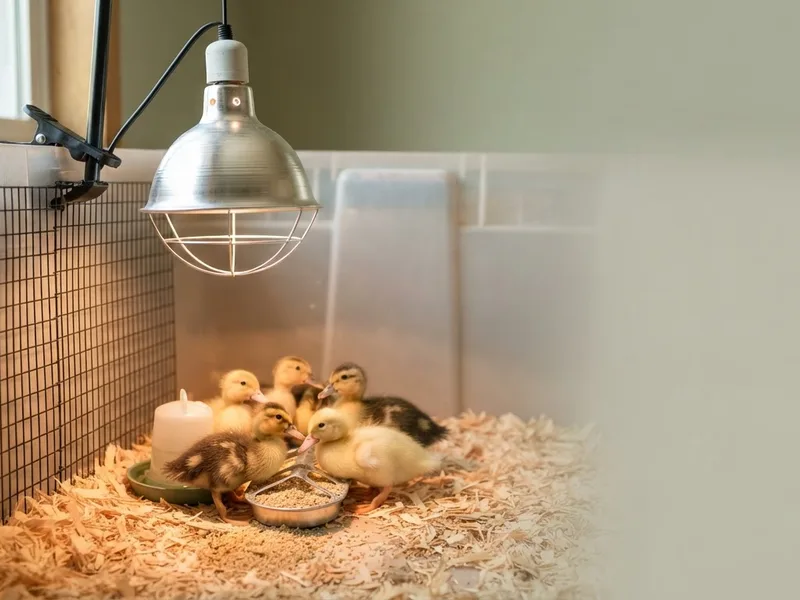
Treat the lamp as a hot piece of equipment in a dirty, wet, fluffy brooder. Ducklings knock things over. Bedding flies. Cords get chewed. If the lamp can fall or sit near dry bedding, it is in the wrong place.
Use a bulb and fixture suited for the space, not a household bulb in a fixture meant for something else. Keep the bulb guarded or shielded, and keep cords off the brooder floor. Do not hang a lamp over paper, pine shavings, or feathers unless there is a safe gap you can see and check.
Check the setup every day. If a bulb burns out, heat can vanish fast. If bedding is dry and dusty near the bulb, clean before it becomes a fire. If ducklings can climb into the lamp, change the layout before you rely on the temperature guide.
If you are new to heat lamps or have a very drafty space, consider a heat plate and keep the bulb area clear. The right tool is the one you will actually check every morning and evening.
When to stop heating
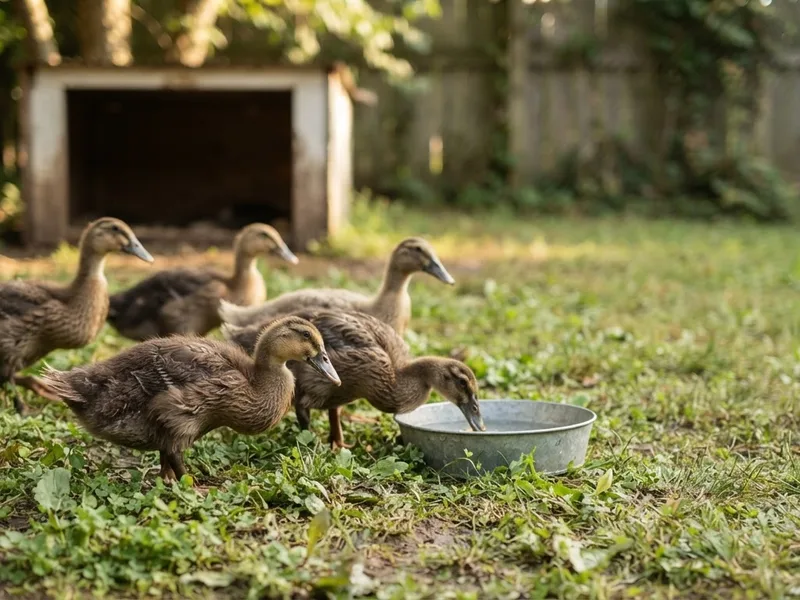
Ducklings stop needing supplemental heat when feathers, not calendar week, are the deciding factor. If they are fully feathered, move away from the lamp, and the brooder area stays around 70°F without cold drafts, the lamp can be turned off.
If the brooder is in a garage or shed that gets much cooler at night, do not turn off heat just because the ducklings looked comfortable at noon. Move them somewhere steady, or keep a lower setting for a few more days and watch them.
Dropping the temperature too fast can make a small flock pile. That is the mistake to avoid: turning off the lamp on a bright morning, then leaving ducklings in a cold draft at night. Lower by about 5°F each week and judge the result at duckling level.
If ducklings still huddle at 70°F, check drafts, wet bedding, and overcrowding before you raise the temperature. If they are healthy and feathered but the weather is cold, keep a comfortable heat level until housing changes. For a bigger picture of housing, water, and feed, What Do Ducklings Eat? Feed by Age is usually the next question, not the brooder bulb.
Frequently asked questions
What is the target temperature for ducklings in week one?
A good target is about 90°F at duckling height. Keep it stable and check behavior. If ducklings pile, add warmth or remove drafts. If they move away, lower the heat.
How do I know if my heat lamp is too high or too low?
Use the behavior signs. Too cold: pile under lamp, cheeping, little eating. Too hot: edge avoidance, panting, wings out, dullness. Adjust and recheck.
Is a heat plate safer than a heat lamp?
It can reduce exposed bulb heat, but not all risk. A plate can still be a hazard with flammable bedding, water, or a bad mount. Choose based on your setup and your willingness to check daily.
Do ducklings need a heat lamp during the night?
They need warmth through the night until fully feathered. That may be a lamp, a plate, or an indoor area that stays close to the target temperature. Do not turn off heat at bedtime just because they seemed fine during daylight.
When should I turn off the heat lamp?
When the brooder area is about 70°F, ducklings are fully feathered, and they show no need for the heat zone. If weather or drafts drop below that, continue supplemental warmth.
Can ducklings overheat under a heat lamp?
Yes. A too hot brooder is common, especially when people add warmth and do not check the cool side. If ducklings move away, pant, or act dull, lower the heat output or increase the distance.