Duck Eggs vs Chicken Eggs: Size, Taste and Nutrition
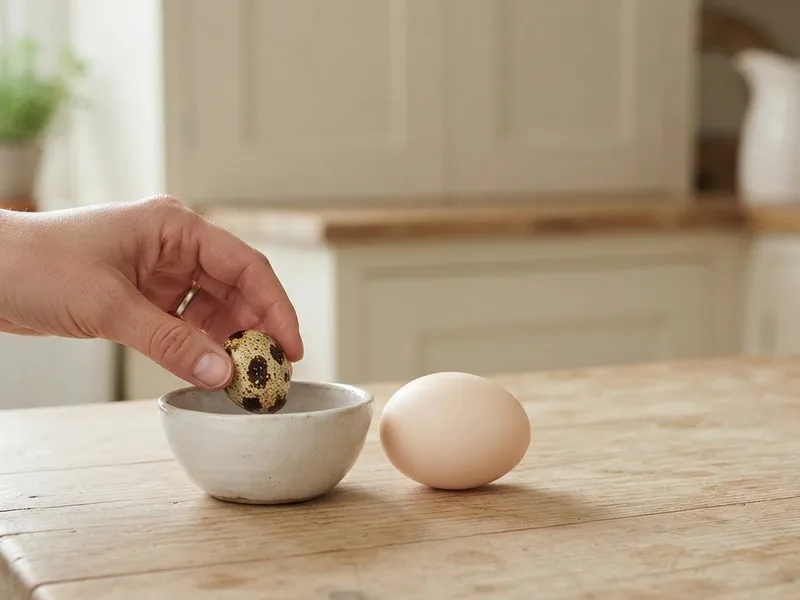
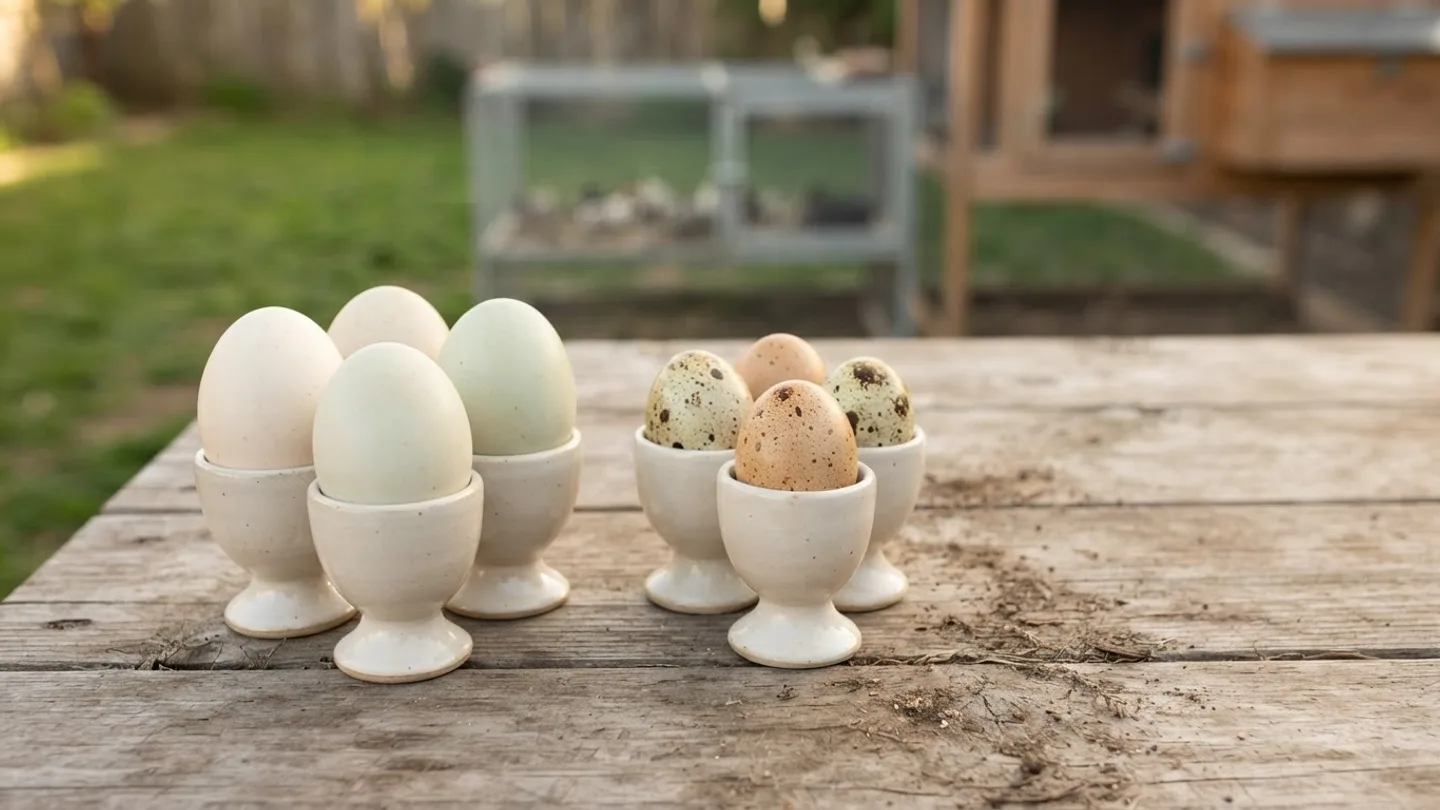
Duck eggs and chicken eggs look close enough to swap, then they surprise you. A duck egg is usually bigger, has a thicker shell and brings a richer yolk.
If you keep ducks, you may already be collecting eggs that fill a hand. If you are comparing from a friend's flock or a farm store, the difference is easy to see once you crack them.
This guide puts duck eggs vs chicken eggs side by side: size, shell thickness, yolk ratio, taste, baking behavior, shelf life, USDA nutrition notes, allergy caution and cooking safety.
In this guide
Key takeaways
- Duck eggs are often larger than chicken eggs, with a thicker shell and a richer yolk.
- Nutrition is more similar than different at the core: both are whole eggs high in protein and fat.
- In baking, duck eggs can make results moister and richer, so watch texture in cakes and cookies.
- People with hen egg allergy should not assume duck eggs are safe; ask a doctor or allergist.
- USDA cooking and storage rules apply to both: refrigerate eggs, cook until firm and handle cracked or dirty eggs carefully.
| Attribute | Chicken egg | Duck egg | What you notice |
|---|---|---|---|
| Size | Common USDA sizes run from small to jumbo, with large being a familiar baseline. | Often visibly larger than a large chicken egg, especially from mature ducks. | A duck egg can fill the pan more than one chicken egg. |
| Shell thickness | Thin enough for fast cooking. | Often thicker and stronger. | It can be harder to crack but less likely to chip in the carton. |
| Yolk ratio | White makes up most of the weight in many chicken eggs. | The yolk is often bigger relative to the whole egg. | Bigger yolk means richer flavor and more fat per edible gram. |
| Taste | Mild and familiar to most US palates. | Richer and creamier; can have a stronger aroma. | If you dislike sulfur smell, fresher eggs and better feed may help. |
| Baking behavior | Reliable in standard recipes. | Can give more moisture, fat and color. | For delicate cakes, use one swap first and adjust if texture is too tender. |
| Shelf life | Refrigerate after purchase or after washing. | The thicker shell and bloom may help, but refrigeration is still the safe default. | Keep eggs in a clean carton, away from strong odors. |
| Nutrition summary | High in protein, with fat, cholesterol, vitamins and minerals in the yolk. | Similar core nutrients, often more total fat and yolk volume. | Compare by equal weight, not just by egg count. |
| Allergy | Chicken egg allergy is common. | Duck eggs are not automatically safe because they can cross react. | Ask an allergist before trying a duck egg if someone has an egg allergy. |
| Food safety | USDA egg safety applies. | Duck eggs carry the same concern as chicken eggs. | Cook until the white and yolk are firm; do not guess with runny yolks for vulnerable people. |
What the difference means in your kitchen
The first difference is volume. Duck eggs often take up more space in a pan, and that matters when a recipe is counting eggs rather than weighing them. If you swap a duck egg for a chicken egg in a recipe that calls for three or four eggs, expect a bit more liquid, fat and richness.
The second difference is the yolk. Duck yolks are usually larger and more substantial, which is why many cooks notice richer color, creamier mouthfeel and more moisture in baked goods. That can be a gift in scrambled eggs, custards and breads. It can also make a delicate cake a little heavy if you do not adjust.
Shell thickness is the practical detail for backyard egg keepers. A duck egg shell can feel tougher, but that does not make it bulletproof. If the egg is dirty, wet or cracked, handle it like any poultry egg: refrigerate it, cook it well and discard anything questionable.
Taste varies more than people expect. Freshness, feed, breed, storage time and how the bird is kept all play a role. If your duck eggs smell stronger than store-bought chicken eggs, the problem may not be the duck. It may be the egg age, the nest, or diet. A small flock keeper can usually test that by checking nesting conditions and the what do ducks eat guide.
Baking substitution needs judgment. Start simple. For scrambled eggs, the swap is easy. For cookies, muffins and quick breads, a duck egg often works well and may taste richer. For soufflés, chiffon cakes or thin custards, do one test batch first. The extra fat and yolk can change structure.
If you keep ducks because you like the idea of a different egg, start with a small flock and realistic expectations. Ducks can be messier and louder than chickens, and eggs for the table are only one part of the bargain. ducks as pets is a good reality check before you buy.
If you are also collecting eggs to hatch, remember the egg for eating and the egg for incubating are different jobs. Hatching eggs need clean handling, proper storage and a clear plan before they go into an incubator. See incubating duck eggs for the setup side.
USDA cooking safety does not care whether the egg came from a hen or a duck. Cook eggs until the yolk and white are firm, especially for young children, older adults, pregnant people and anyone with a weak immune system. If someone has a medical condition or an egg allergy, talk with their doctor instead of testing the idea at breakfast.
How to use duck eggs and chicken eggs
For everyday breakfast
Duck eggs make a rich scrambled egg, fried egg or soft boiled egg for people who enjoy a bigger bite. If you want the familiar mild flavor, keep the duck egg small or blend it with chicken eggs.
If you are serving kids, start with a small portion. The bigger yolk can feel heavier, and the flavor can be stronger than expected.
For baking
Use duck eggs where richness helps: pound cake, quick breads, muffins, cookies and savory custards. Start one for one, but if the recipe relies on lightness, watch the texture.
If a cake turns too tender or heavy, try using less egg by weight or adding a bit more flour. The goal is not to make every recipe duck proof; it is to match the egg to the bake.
For serving guests
Some guests expect the egg to taste like a chicken egg. If you are serving a crowd, do a small taste test first. Duck eggs can be richer, and they are not a casual allergy swap.
If someone has asked about allergies, egg safety or dietary limits, talk with that person's doctor instead of guessing.
Common questions
Are duck eggs bigger than chicken eggs?
Usually yes, though size depends on breed, age and flock. A mature duck can lay a much larger egg than a large chicken egg, while a young bird or small breed can surprise you with a smaller egg.
Can I use a duck egg in place of a chicken egg?
Often, for everyday recipes. For delicate baked goods, do a test batch because the extra yolk and fat can change texture.
Are duck eggs safer or dirtier than chicken eggs?
Not inherently safer or dirtier. Handle both with USDA egg safety in mind. Refrigerate, cook well, and discard cracked or heavily soiled eggs.
Can someone with a chicken egg allergy eat a duck egg?
Do not assume so. Egg allergies can cross react. Ask an allergist or doctor before trying duck eggs.
Why do duck eggs sometimes taste stronger?
Freshness, diet, nest conditions, storage and individual bird differences can change flavor. Clean nests, short storage and good feed are the first places to look.
Do duck eggs have better nutrition than chicken eggs?
They are close, not a health upgrade by itself. Duck eggs can offer more yolk and fat per egg, but nutrition compares best by equal weight and whole diet.