How Long Do Quail Live?
Answer first: most backyard Coturnix quail live about 2 to 3 years. Button quail often live longer, which is one reason they do better as pets than as steady egg layers. In either case, laying usually drops after the first year, so if your goal is cheap eggs every season, plan for turnover instead of a lifelong flock.
Backyard lifespan is not only genetics. Heat, crowding, predators, wet feet, and the wrong feed can shorten it. If you keep quail because they are fun, give them dry space, safe housing, and clean water, then expect more than a quick egg season.
Table of contents: how long quail live and what changes it
Key takeaways
- Coturnix quail usually live about 2 to 3 years in backyards.
- Button quail often live longer than Coturnix, but they are not usually kept for steady egg volume.
- Laying often drops after the first year for egg focused quail flocks.
- Predators, poor ventilation, wet housing, crowding, and wrong feed can shorten life.
- Dry space, clean water, safe housing, proper feed, and a small group help a quail live longer.
At a glance: quail lifespan numbers
Coturnix lifespan: about 2 to 3 years in backyard flocks, with good care sometimes adding time.
Button quail lifespan: often longer than the Coturnix range, but not usually kept for egg volume.
Laying window: the first year is often the most reliable season for eggs.
Chick heat: about 95 degrees Fahrenheit in week one for quail chicks.
Quail incubation: about 17 to 18 days for Coturnix.
One mistake: keeping a single quail instead of a small group.
| Quail | Typical backyard lifespan | Egg pattern | Best kept for |
|---|---|---|---|
| Coturnix quail | About 2 to 3 years, sometimes more with excellent care | Strong first year, then drops | Small egg flock and a beginner project |
| Button quail | Often longer than the Coturnix range | Not a steady egg production bird for most backyard keepers | Pets and interest, not eggs |
Why a quail's life can end early
Quail are small prey animals. A loose cat, a raccoon, a hawk at the wrong hour, or a neighbor dog can end a flock in minutes. If your run or cage is not secure, lifespan is not a long story.
Crowding and wetness are slower killers. Damp litter can cause foot problems, and poor air can invite illness. A cage that smells sharp or turns soggy by midday needs more space, more dry litter, or better drainage before the birds start to fail.
Wrong feed can shorten a flock too. Adult quail need a balanced feed for the stage they are in. Treats and scratch should not replace the main ration, and if baby or adult quail get the wrong feed, growth and laying can suffer. For the basics, see what do quail eat.
Pros
- A pet bird can live well beyond one season and become easy to handle.
- Older quail still offer interest, foraging, and flock character.
- Keeping a bird that stops laying avoids culling a healthy pet, if that matters to you.
Cons
- Laying drops after the first year, so the bird may not pay for its space in eggs.
- A pet quail still needs housing, feed, water, and protection every day.
- If you only want eggs, a mature bird can crowd out a younger layer.
What helps a quail live longer
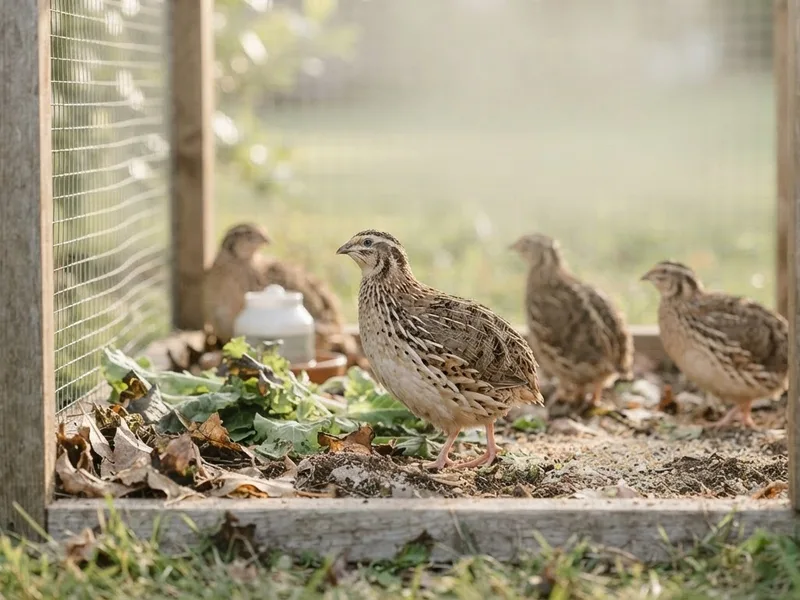
Start with the basics that matter at every age: dry shelter, clean water, enough space, and a safe fence or cage. For housing setup, see quail cage.
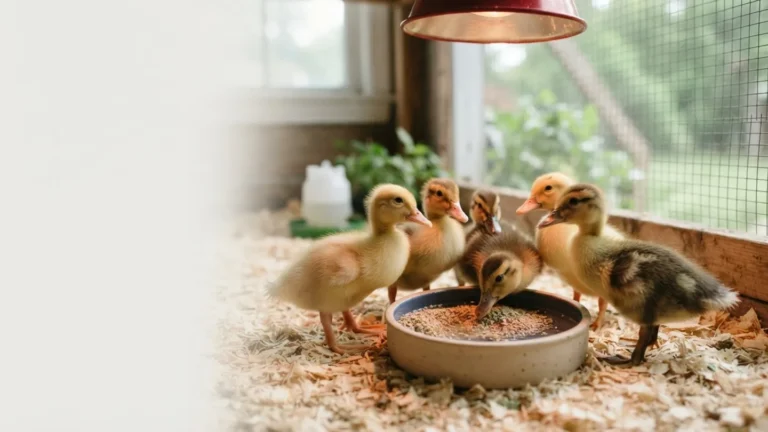
For chicks, heat is the first big job. Quail chicks usually start around 95 degrees Fahrenheit, and the temperature should drop as they grow feathers and can move away from the heat.
For adults, keep feed simple and consistent. Do not let a mixed flock pick out the richest bits and leave the rest. Give fresh water daily, because quail can foul small dishes quickly.
Watch feet and droppings. A limping bird, dirty vents, puffy feet, or a quail sitting away from the flock is a signal, not a personality trait. Send the bird to an avian vet if you can, or ask your state veterinarian if illness is spreading.
When not to keep a quail for years
If your plan is cheap eggs all year, do not count on a quail for life. Plan for replacement birds or accept a drop in output after the first year.
If you cannot keep housing dry and safe, start with a smaller project or a temporary chick setup instead. Quail that live outdoors all year need predator proofing and protection from wind, rain, and snow.
If you are tempted by a lone baby bird from a farm store, pause. A single quail can be lonely and stressed. Keep a small group and have a plan for space, feed, and predator safety. For a full start, see raising quail.
Frequently asked questions
How long do quail live in backyards?
Coturnix usually live about 2 to 3 years. Button quail often live longer. Good care can help, but poor housing can cut that short.
Do quail still lay after the first year?
Some do, but laying usually drops after the first year. If eggs are the goal, plan for new layers instead of expecting one bird to carry the season forever.
Can a quail live longer than 3 years?
Yes, some backyard birds do, especially pet quail kept clean, dry, fed well, and away from predators. Age can bring slower movement and more wear, so give them space and easy water.
Why do people say quail are short lived?
Coturnix are often kept for quick egg returns, so many flocks are replaced after a strong laying season. That gives a short working life, not necessarily a short natural life.
Should one quail be kept alone?
No. A single quail can be lonely and stressed. Keep a small group and have enough space, feed, and predator safety for all of them.