Pet Quail: Which Quail Make Good Pets
Many people searching for pet quail expect a calm bird that hops onto a hand. The honest answer is that quail are prey birds. Most tolerate careful handling after trust is built, but they are skittish, fast and easily startled.
This guide compares the two quail types most backyard keepers meet, button quail and Coturnix quail. We cover indoor setups, noise, lifespan and handling so you can decide what kind of pet you actually want.
If you want a bird that chases treats and follows you like a duck, a quail is probably the wrong pick. If you want a compact bird for eggs, hatching practice or a display flock, keep reading.
At a glance
- Pet quail are prey birds first. Most are skittish and tolerate handling rather than seek it.
- Button quail are tiny and flighty. They suit a display bird more than a hand pet.
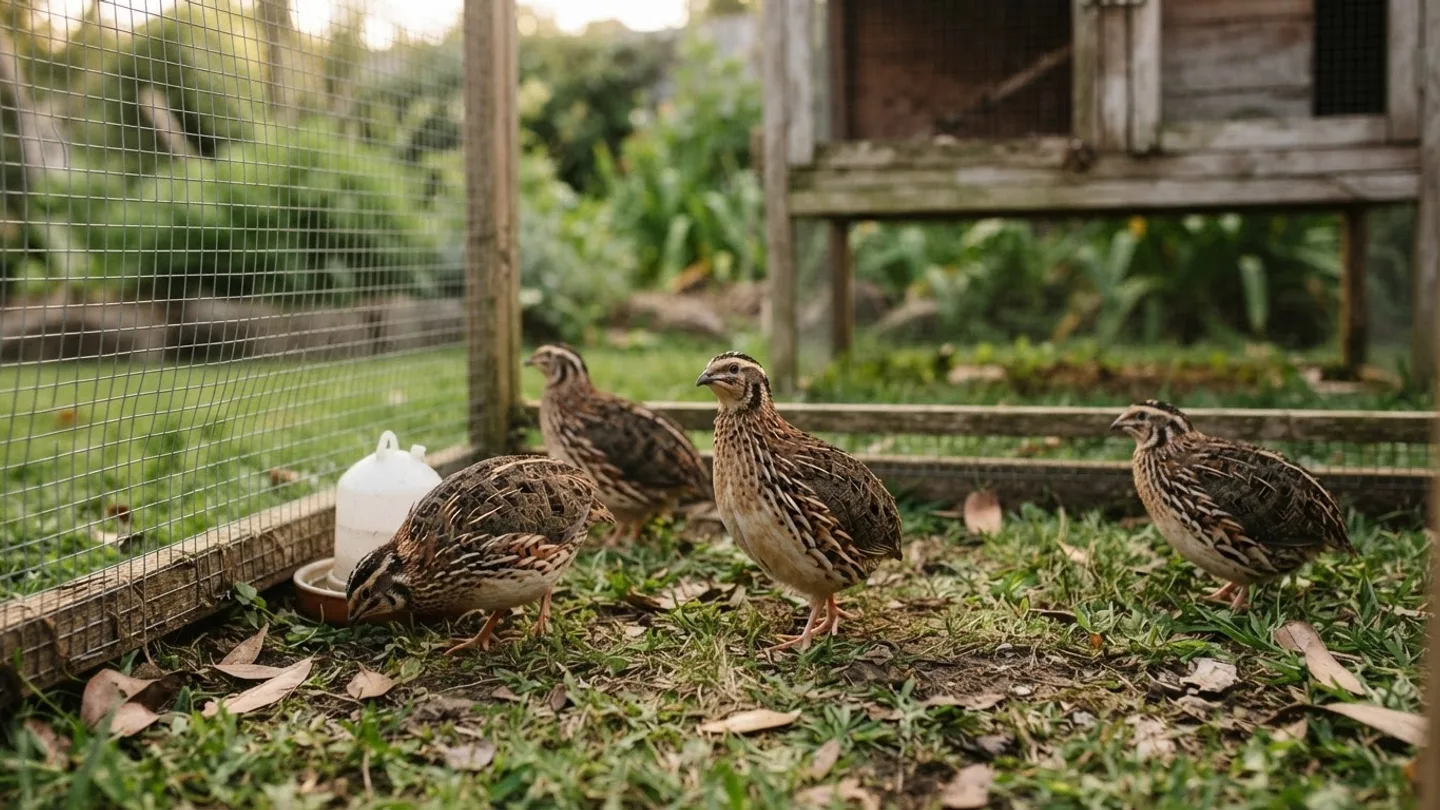
- Coturnix quail are easier to keep for eggs and incubation, but they can be noisy.
- Indoor quail need a strong cage, low bar spacing, dry bedding and frequent cleaning.
- The biggest mistake is buying a quail because it looks small and then realizing it will not cuddle.
What pet quail really are
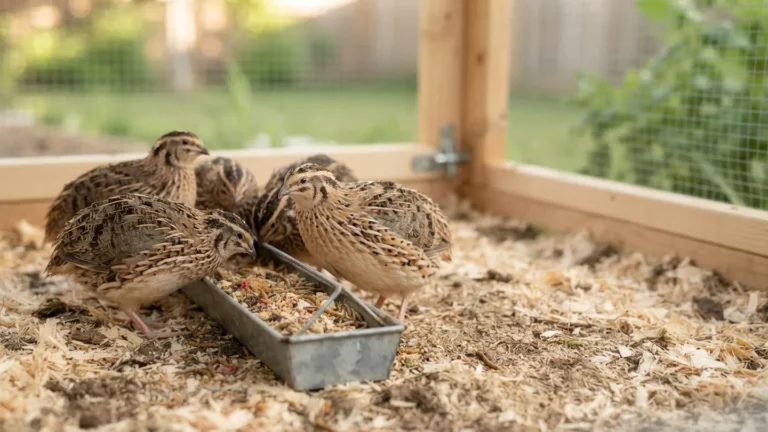
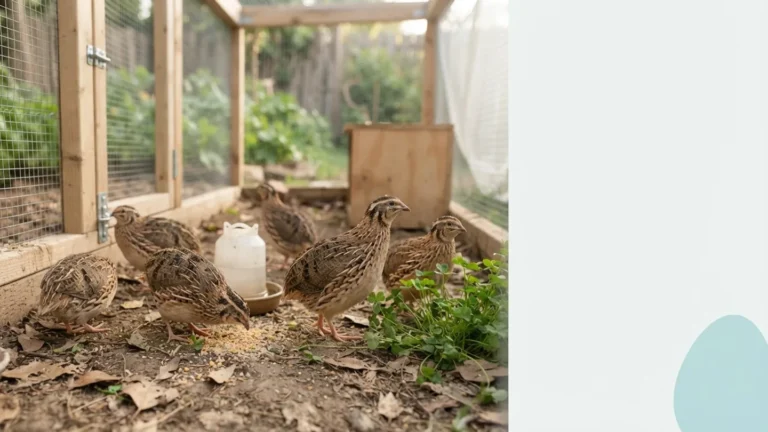
Quail are ground birds with a panic reflex. In a home, reaching from above can look like a hawk. A good pet quail is not fearless. It is a bird that has learned your routine and does not see every hand as danger.
Some people call quail pets because they are small and kept indoors. Others keep them for eggs, curiosity or a school or 4 H style project. Both reasons can work. The mistake is expecting a cuddly animal from a bird built to flee.
If you are weighing ducks and quail, note that ducks are usually more social and messier. A duck may give you the personality many people imagine, while quail give you compactness and a faster egg cycle.
| Factor | Button Quail | Coturnix Quail |
|---|---|---|
| Best pet use | Display bird you watch more than you hold | Egg bird, hatching project or small backyard flock |
| Handling tolerance | Low at best. They are tiny, fast and easy to stress | Can be more forgiving in size, but still not a cuddly pet |
| Noise | Can be quieter depending on sex and setup | Males crow. This can be loud indoors |
| Indoor setup | Needs careful floor and bar spacing for very small birds | Needs more space, stronger cage and easy cleaning access |
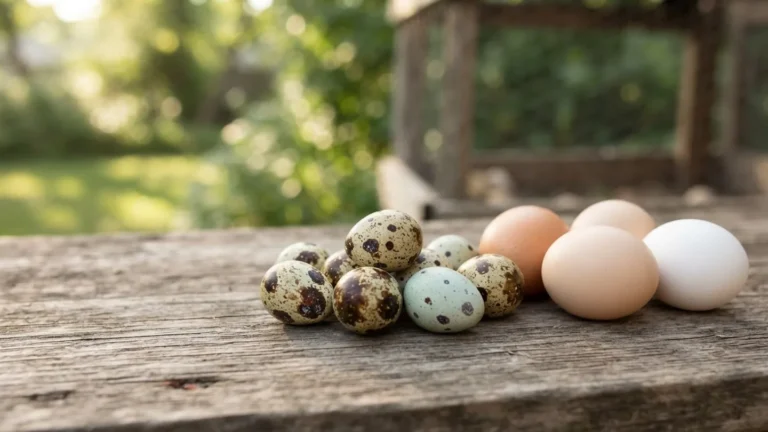
| Egg production | Possible, but not the usual backyard choice | Popular for small eggs and faster incubation, about 17 to 18 days |
| Care difficulty | Higher margin for error because they are very small | More forgiving for a first quail keeper |
Pros
- More forgiving size than a button quail.
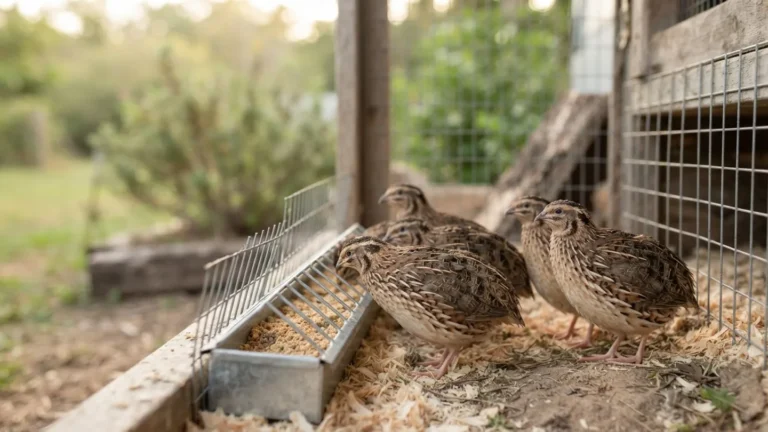
- Common feeders, drinkers and cage accessories can fit.
- Good for learning incubation and hatching.
- Eggs are a practical reason to keep them.
Cons
- Males can be noisy.
- Still skittish. Most will not enjoy being held.
- They get messy indoors if bedding is not managed.
- Short lifespan compared with many household pets.
Noise and indoor living
Noise is the first surprise for many pet quail keepers. A male Coturnix can crow at dawn, and that sound carries better than people expect from a bird the size of a plum.
Button quail are often chosen for smaller setups, but that does not mean silent. If quiet is essential, a pet quail is a bad fit. A rabbit, a rat or a duck in a proper outdoor setup may be easier on your household.
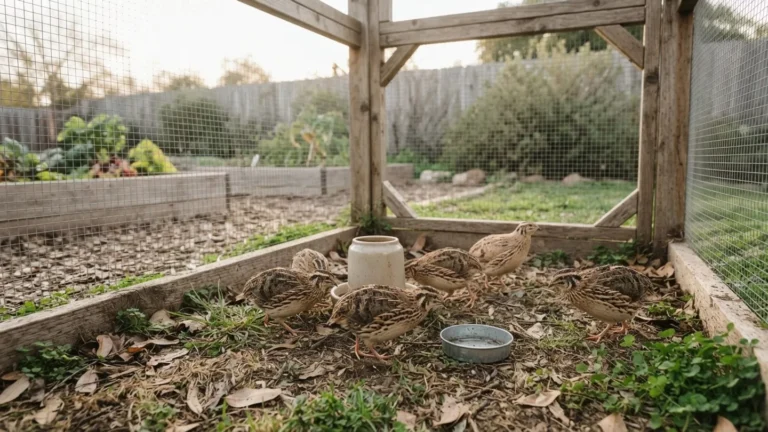
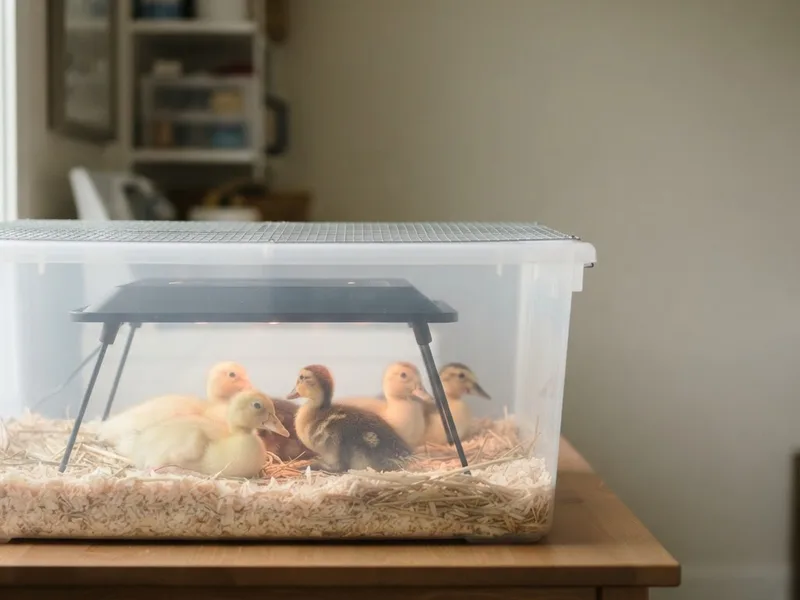
Indoor quail need a cage with enough floor area, a deep tray for droppings, low perching options and a place to hide. They can be kept in a spare room, a basement or a garage if temperature is stable and ventilation is good. Avoid dusty, hot or drafty corners. If you want a practical cage design, start with our guide to quail cages.
Lifespan and long term planning
Pet quail are not long lived birds in the way a dog, cat or many chickens can be. You may get a few productive years from a quail, but they are usually a shorter commitment than a duck.
This can be useful for families. You can learn incubation, brooding, feeding and daily poultry care without committing to a bird for many years. It is also the downside. The novelty can end before the bird does.
If you hatch eggs, plan for what to do with extra males. They may not fit your home, noise tolerance or space. This is one of the most common places a pet quail plan goes wrong.
Handling tips that reduce stress
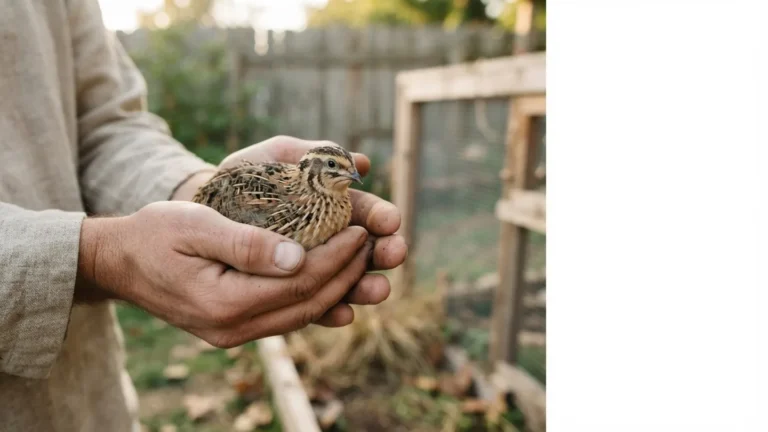
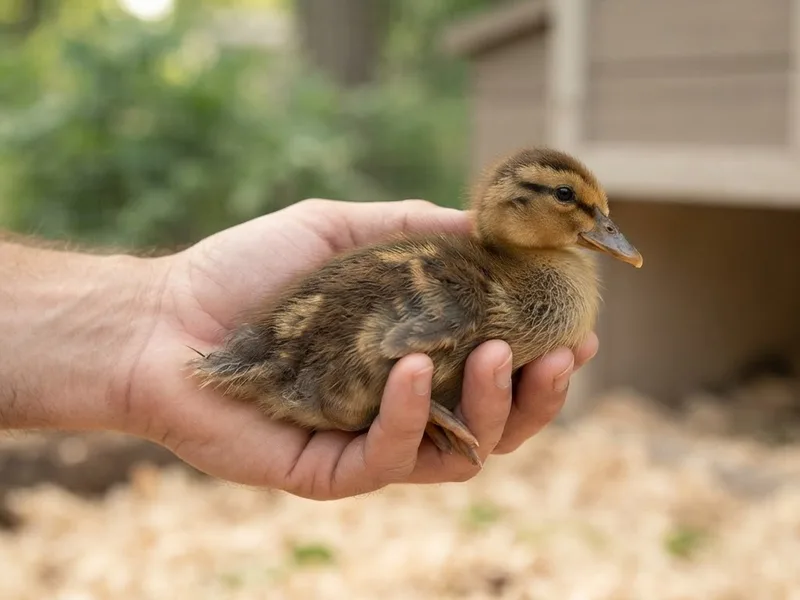
If you want a tame quail, start young and stay consistent. Handle birds after feeding, not before. Keep the session short. Let the bird eat something calm from your hand before you attempt to pick it up.
Use two hands. Support the bird gently against your palm with the wings held close, not pinched. Do not grab a quail from above. If it flutters hard, put it down. A panicked quail is more likely to hurt itself than to bond with you.
Expect tolerance, not affection. A good pet quail can learn to come for treats, let you lift it briefly and stay calm near your voice. That is the realistic goal.
If you want a bigger, calmer bird, consider starting with Coturnix. They are the more practical beginner quail. If you want a very compact display bird, button quail may appeal, but their small size makes handling and cage setup more demanding. For more detail, see our button quail guide.
A simple pet quail care routine
Check water and feed daily
Quail need clean water and a suitable poultry feed. Check for clogged drinkers and empty feeders before leaving the house.
Observe behavior
Look for birds that move, eat and breathe easily. A quiet, hunched or puffy quail may be sick, not just shy.
Clean droppings often
Indoor quail produce mess quickly. A clean tray protects your home, reduces odor and makes handling more pleasant.
Keep handling short
A few minutes is enough. Do not chase the bird or hold it until it stops struggling.
Plan for the unexpected
Decide before you buy or hatch what you will do with males, spare birds and end-of-season hens.
Bird safety and hand washing
Quail can carry bacteria that make people sick, even if the birds look healthy. That is not a reason to avoid backyard birds, but it is a reason to keep the mess outside your hands, your face and your food area.
Common questions about pet quail
Are pet quail good for children?
They can work as a supervised, hands-on learning bird, but they are not pets to cuddle. A child who wants a bird that enjoys being held will likely be disappointed. An older child who wants to learn incubation and routine care can do well with Coturnix.
Which quail is quieter?
Button quail are often the smaller and less noisy option, but there are no guarantees. The real answer is that any male poultry bird can be disruptive. If noise is a problem, do not keep a male quail indoors near sleeping areas.
Can quail live in the same home as ducks?
Usually no, not in the same housing. Ducks need water and space in a way that makes quail setups messy and stressful. If you want both, keep them in separate areas with separate water systems.
Do pet quail lay eggs?
Some do. Coturnix are commonly kept for eggs, while button quail are more often kept as display birds. Egg production depends on breed, age, light, feed and stress.
How long should a pet quail live?
Expect a shorter life than many household pets. If you are looking for years and years of companionship, a quail is not the right first choice.