Button Quail: Pet Care, Size and What to Expect
Button quail, also sold as king quail, are small, fast birds that make good people look twice. Then the truth comes quickly: they are pets, not dependable egg layers. If your goal is a steady egg basket, you need a different quail.
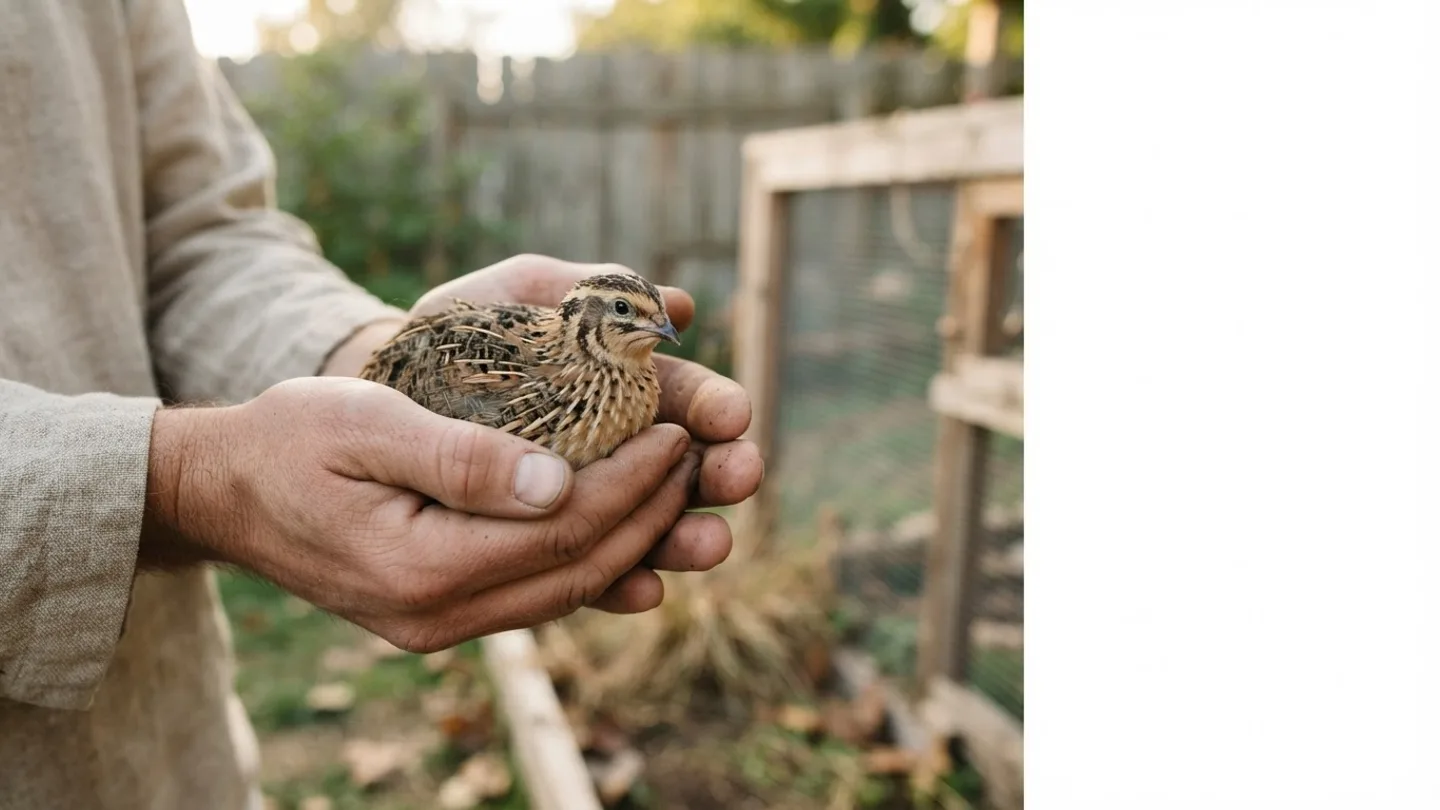
Adults are about 4 to 5 inches long. That size makes them interesting to watch and easy to underestimate. Chicks can fit in places that should not be safe, adults can be bullied by their own group, and a sloppy setup can turn a cute spring purchase into a sad summer problem.
This guide covers what to expect from button quail at backyard scale: housing, brooder heat, pairing, chick escape risk, lifespan, and the local rules you should check before buying. For a bird you can keep indoors, this can work. For an egg plan, it usually will not.
At a glance: button quail care
- Button quail, also sold as king quail, are pets, not dependable egg birds.
- Adults are about 4 to 5 inches long.
- Keep first week chicks in a brooder around 95 degrees Fahrenheit.
- Give at least 1 square foot per adult, and plan about 2 square feet for a pair.
- Feed chicks a 24 to 28 percent protein quail starter or game bird starter.
- Move adults to a 16 to 18 percent maintenance feed unless your feed label says otherwise.
- Plan for 2 to 4 years of care, not one spring.
- The mistake to avoid is buying them as an easy egg flock, then overcrowding them, leaving gaps open, or ignoring bullying.
Button quail are pets, not egg layers
If your plan is eggs first, button quail will not make it work. If your plan is a small bird you can watch indoors, they can work. That is the honest trade.
Button quail are also sold as king quail. Adults are about 4 to 5 inches long. Males may call, but they are generally less loud than a chicken flock. They are not ducks, so do not expect a big pool habit or the same kind of mud.
They can reach point of lay, the age when a bird starts laying, in about 6 to 8 weeks, but that does not mean a steady egg basket. A female can lay an egg without a male, but without a male that egg will not hatch. For egg first keepers, compare Coturnix quail or start with raising quail instead.
Do not buy them as an impulse pet. A spring chick can grow into a bird that needs dry bedding, a safe heat source, a quiet room, and a winter plan. If you cannot commit for a few years, do not start.
| Option | Best for | Watch for | How to make it work |
|---|---|---|---|
| Aquarium or small stock tank | Quiet brooding, adult pairs, easy bedding change | Moisture, poor airflow, escape through an open top | Add a safe screen top, keep water shallow, and clean wet spots fast |
| Hardware cloth cage | Indoor adults in a dry, visible space | Gaps that are too wide, rough floors, drafts | Use stiff wire mesh, called hardware cloth, with 1/4 inch openings for small birds, and add a solid floor liner |
| Wire bird cage | Temporary housing or very small groups | Wire floors, wide spacing, too much air movement | Line the floor with a solid tray, cover gaps, and avoid using it as a long term setup |
| Storage tote | Cheap DIY brooder or transport box | Cramped space, heat buildup, chewing through plastic | Cut ventilation holes high on the sides, cover them with hardware cloth, and do not let heat touch bedding or birds |
Brooder setup and chick escape prevention
Start with a solid floor
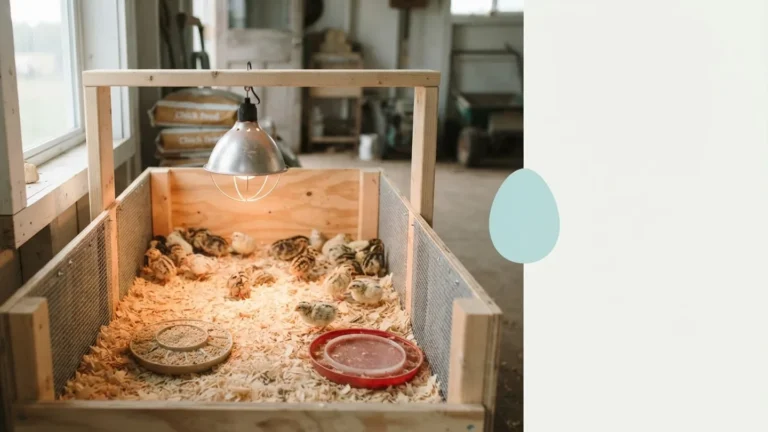
Use a plastic tote, brooder box, or tank with no floor gaps a chick can step through. For the first days, line the floor with paper towel or flat cardboard.
Set heat at about 95 degrees Fahrenheit
Keep the warm area around the chicks at about 95 degrees Fahrenheit in week one. Place a thermometer at chick height so you are not guessing. A brooder is the heated setup that keeps chicks safe until they are fully feathered.
Reduce heat gradually
A common plan is to lower the brooder temperature by about 5 degrees Fahrenheit each week. If chicks huddle close to the heat, they are too cold. If they stay far away, they are too warm.
Make water impossible to drown in
Use a shallow dish with smooth pebbles or marbles, or a guarded chick waterer. Button quail chicks can get wet, chilled, and stuck quickly.
Cover every opening before the first escape
Use fine hardware cloth over ventilation and top openings while chicks are young. Test gaps by trying to push a pencil through. If a pencil fits, assume a tiny chick may find a way.
Watch bedding and birds daily
Damp bedding can lead to bumblefoot, a swollen, painful foot, and ammonia smell can harm breathing. Keep it dry, use paper or aspen bedding, and have a spare cage ready if one bird gets bullied.
Pairing, males, females, and bullying
For a small enclosure, one male and one female is the easiest pairing to try. It is still not a guaranteed quiet household.
Two males in a tight cage often fight. Females can bully a shyer bird, especially near feeders, water, and the warm spot. A small bird that cannot get away from a bigger one will show it by hiding, not eating, or losing feather coverage.
Do not start with a dozen birds and hope they sort themselves. Have a backup cage ready. If bullying starts, move the troublemaker or the victim before you lose a bird.
If you want chicks that can hatch, you need a male. If you are keeping females only, some may lay eggs, but they will be infertile. Some females also go broody, meaning they want to sit on a nest and may guard that spot. That is normal, but it is not the same as steady laying.
Questions buyers get wrong
Do button quail lay enough eggs to be worth it?
No, if you want a dependable backyard egg flock. They can lay occasionally, but they are pets, not an egg system. If you are adding birds for eggs, look at Coturnix first.
Can button quail live indoors?
Yes, if the room is predator proof, dry, ventilated, and draft free. They do well in a quiet space away from loud foot traffic, cats, and dogs.
How long do button quail live?
Many live 2 to 4 years, but accidents, bullying, predators, and health issues can shorten that. Plan for years, not weeks.
Are button quail loud?
Males may call, but they are generally quieter than a chicken flock. If you share walls with neighbors, consider the space before bringing birds.
Can I keep button quail with ducks or chickens?
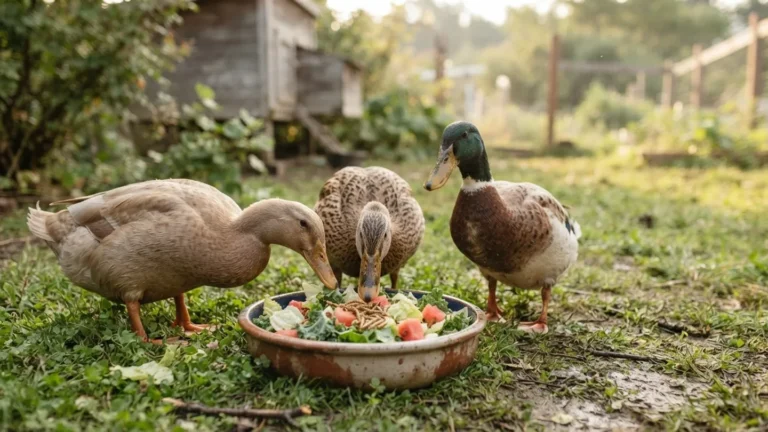
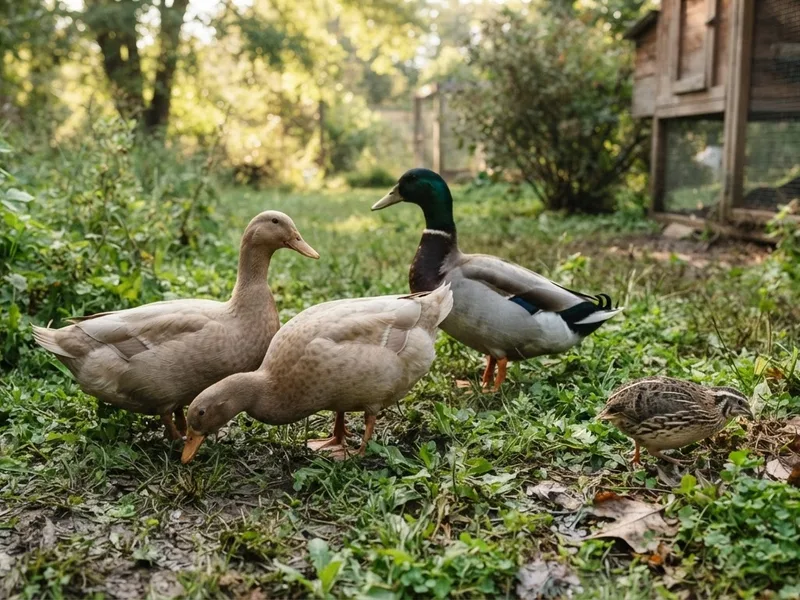
Not as a normal mixed flock. Sizes, feeding, and space needs are too different. A duck or chicken can injure a button quail by accident.
What should I feed button quail?
Chicks need 24 to 28 percent protein starter feed. Adults can do well on 16 to 18 percent maintenance feed. Keep fresh water available and make sure chicks cannot drown in it.
Lifespan, seasonal care, and local rules
A button quail is a year round bird. If you buy in spring, you still need a dry room in August, and a draft free area in January. A garage in Minnesota in February is not the same as a porch in Georgia in July.
In hot weather, shade and airflow matter. Small enclosures can trap heat, and wet bedding smells fast. In cold weather, drafts are the quiet problem. Keep birds dry, give fresh water before it freezes, and make sure a heated brooder is safe and away from bedding.
Check the rules before you buy. If you are unsure about keeping quail in your suburb, call city hall or review your homeowners association paperwork. If a bird is injured or sick, talk to an avian vet or your state veterinarian instead of guessing from a forum.