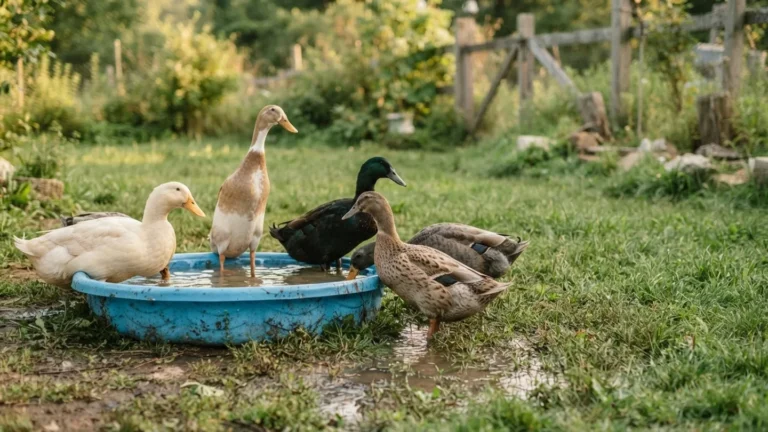
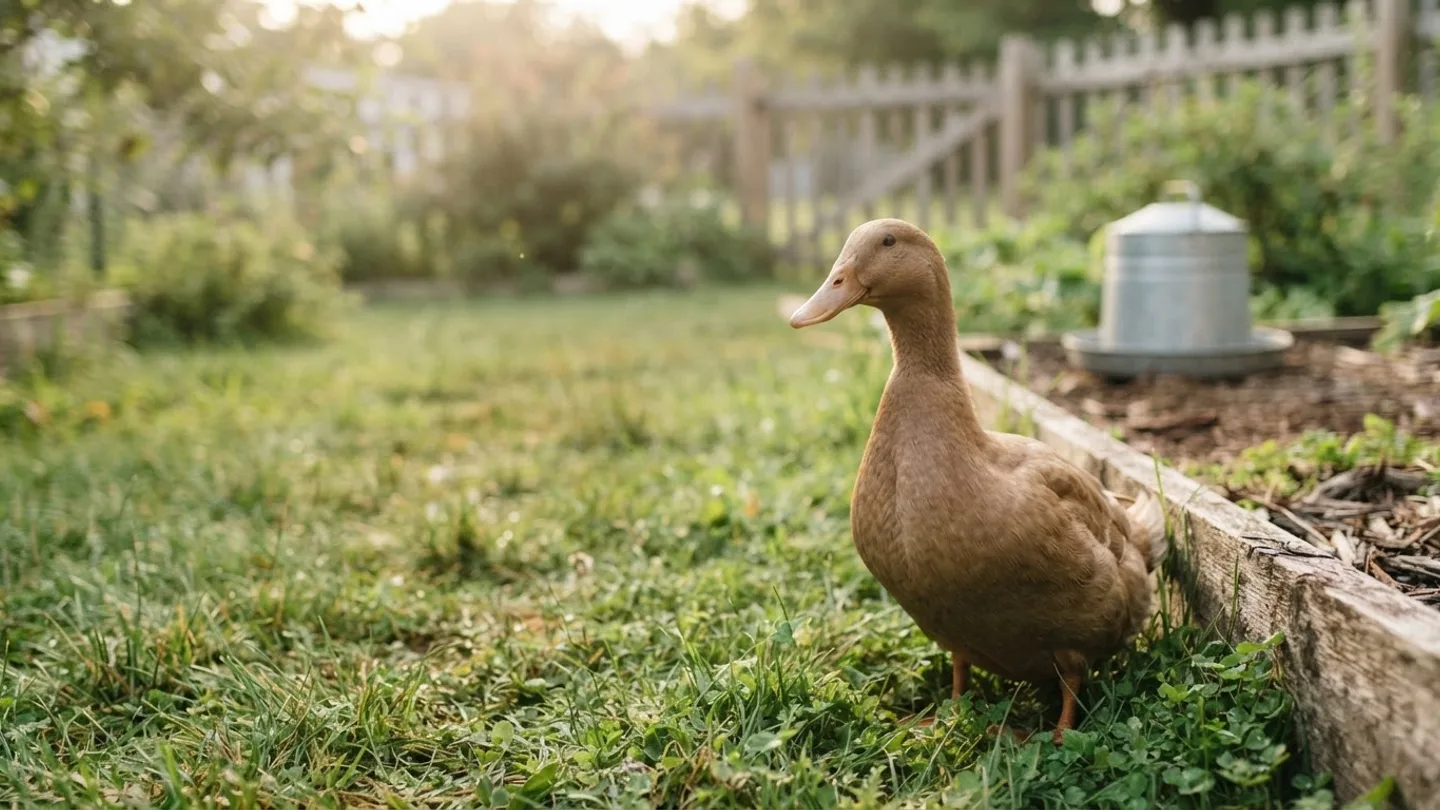
How Long Do Ducks Live?
If you are asking how long do ducks live, the short answer is that most backyard ducks live about 8 to 12 years with good care. Some go beyond that. Many do not, because predators, accidents, poor fencing, overfeeding, or simply being an impulse duckling in spring cut their lives short.
A duck is a long commitment in real life. If you keep two or more ducks in a safe raising backyard ducks setup, the birds can become steady pets, egg producers, pest foragers, or part of a family routine for years. If one duck is kept alone, or if the duck gets into a road, a dog, or an open pond with hawks, the number can collapse fast.
What is in this duck lifespan guide
At a glance for your duck lifespan question
- Most backyard ducks live about 8 to 12 years with good care.
- Predators and accidents are the big cutters, so predator proofing is part of lifespan care.
- Breed type gives a tendency, but your housing, diet, water access and company matter more.
- One duck kept alone is not a good plan. Ducks are social, and isolation creates stress for both birds.
- Older ducks need dry footing, easy water access, shade, wind shelter, and fewer surprises.
- If you want honest numbers, expect 8 to 12 years as the planning range, not a guarantee.
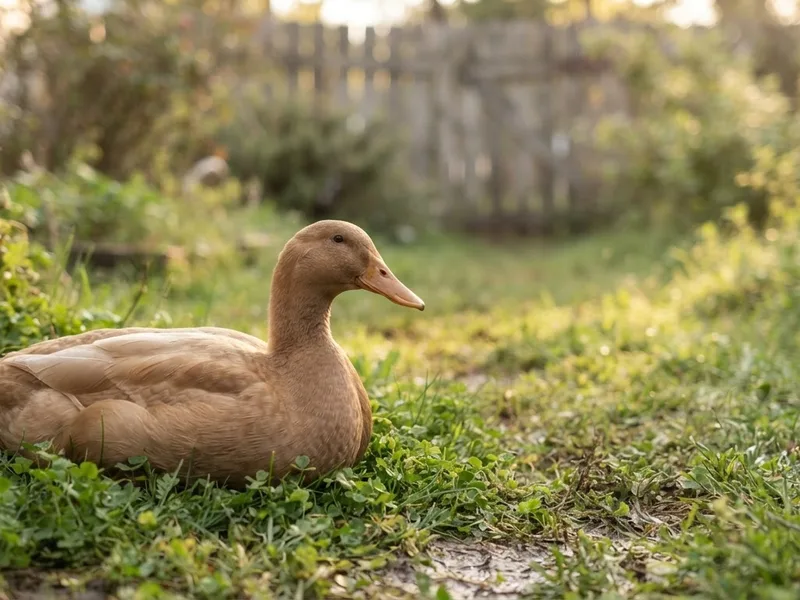
Most backyard ducks live 8 to 12 years, but care decides the rest
A drake is a male duck, and a hen is a female duck. That difference matters for noise, breeding and flock balance, but it does not change the main lifespan answer. If you keep ducks well, a healthy young domestic duck in a protected backyard is likely to live for years, not months.
The 8 to 12 year range assumes ordinary backyard conditions: dry shelter, clean water, decent feed, protection from night predators, and at least one duck friend. A duck that lives in a run, goes to a solid coop at night, and is watched for problems can do better than a duck that is left to wander a busy yard.
If you got ducks as pets after a spring trip to the farm store, expect the real question to start when the duckling is an adult. Spring ducklings often end in disappointment because the keeper did not plan for size, mess, noise, lifespan, or what happens after the early stage.
Do not count lifespan as the only health measure. An older duck can still lay fewer eggs, become less active, get sore feet, or need a shallower pool. The goal is a useful, comfortable life for the age it reaches.
| Breed or situation | What to expect | What to watch |
|---|---|---|
| Most backyard domestic ducks | About 8 to 12 years with good care. | Predator proofing, dry shelter, clean water, and not being overweight. |
| Heavier meat breeds, such as Pekins | They can live in the normal backyard range, but weight strain can shorten the comfortable part of life. | Feed amount, easy footing, shallow water access, and activity. |
| Active backyard breeds, such as Khaki Campbell or Runner types | Many active ducks can do well in the normal range if they have room to move and a safe fenced area. | Boredom, bullying, muddy footing, and thin body condition. |
| Muscovy ducks | Muscovy can fit the same broad lifespan pattern when housing is safe and social. | Pecking, isolation, and poor night security. |
| Impulse spring ducklings | The lifespan number only matters if the household is ready for an adult duck. | Abandonment risk is one of the real lifespan risks. |
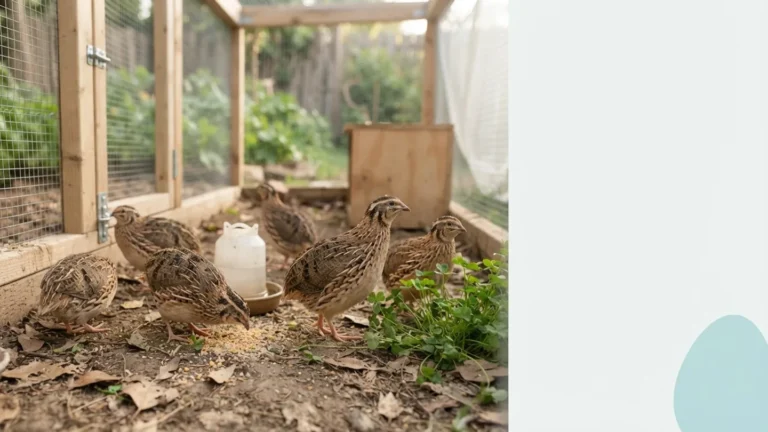
| Quail for comparison | If you are also looking at quail, treat lifespan as a different question, because small quail are often managed for short production cycles. | Do not judge a duck setup by quail scale without checking feed, space, and water. |
What tends to cut a backyard duck's life short
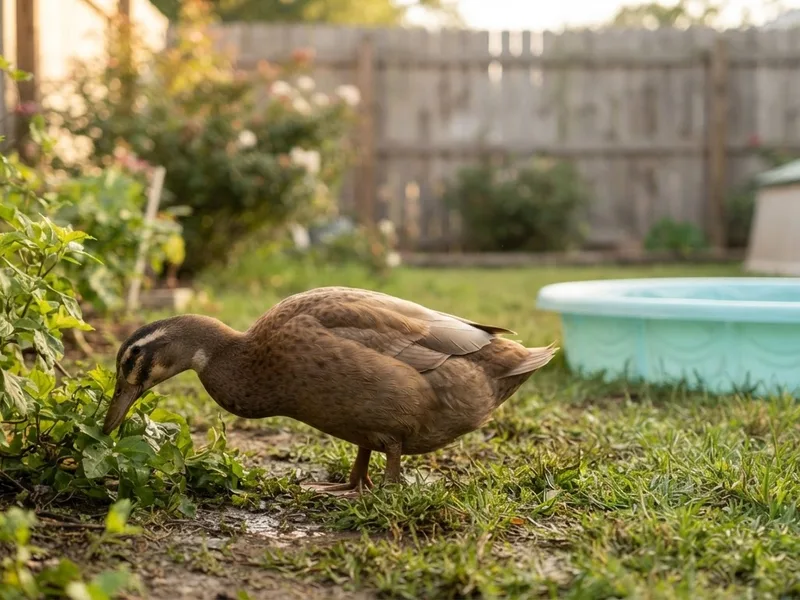
Predators are the most obvious reason. Raccoons, foxes, coyotes, hawks, loose dogs, and neighborhood cats can end a duck life quickly. A run is the fenced outdoor space ducks use during the day. The run needs wire mesh, often called hardware cloth, strong enough and small enough to keep predators from pushing through or pulling at the birds. A simple chicken wire fence may look tidy, but it is not always enough.
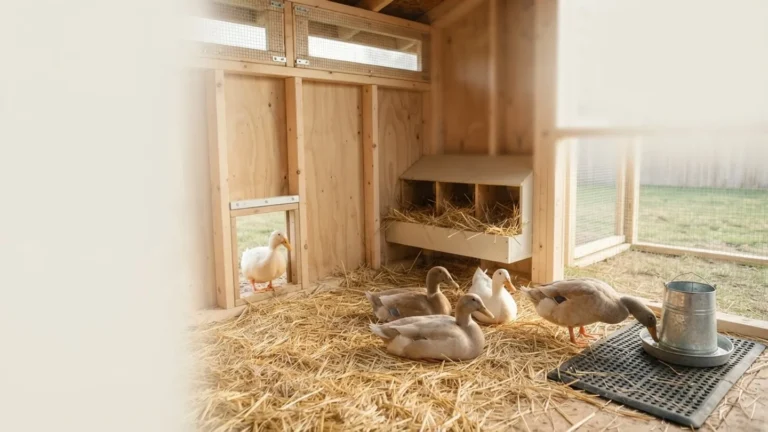
Night losses are often preventable. Ducks should have a secure shelter at night, with a roof and latched door. If a duck sleeps on a low perch or in a loose coop, a predator can find it while you sleep. Hardware cloth, a solid roof, and a lock that cannot be pulled open matter.
Accidents come from free ranging. Ducks near roads, busy sidewalks, ponds with dogs, or neighbors with hunting dogs are at higher risk. If you want the bird to live for years, contain it or watch it, do not hope.
Too many drakes for the hens causes trouble. A drake is a male duck. If you have several drakes and few hens, chasing and breeding can injure hens and make the flock stressful. That stress can shorten a duck's useful life, even if the bird does not die the next week.
Overfeeding and poor body condition matter. Treats, bread scraps, or too much feed can make a heavy duck less mobile. A duck that cannot move well may get sore feet, have trouble with predators, or struggle to eat and drink normally. Keep diet balanced and watch body condition.
Mud and wet bedding create feet and skin problems. Damp, trampled straw is not a health guarantee. If a duck sits away from the group, has a hot swollen foot, limps, or has an open sore, see an avian vet. Do not guess with online remedies.
How to help an older duck live well
Secure the night setup
Use a lockable coop or shed with hardware cloth on openings, a solid roof, and no easy gap for a raccoon or stray dog. Close the birds in each night.
Make walking easy
Give dry bedding, shallow ramps, and non slick surfaces. Older ducks need footing, not a muddy slope. A small block of wood, brick, or dry straw can make the difference.
Keep water simple
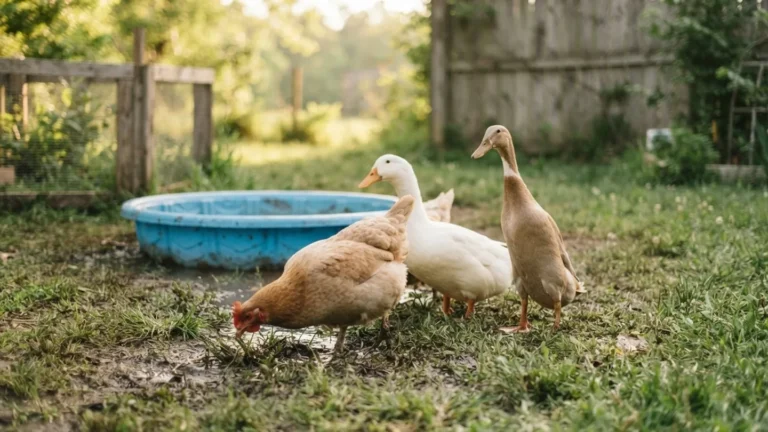
Use a kiddie pool, a large bowl, or a shallow pan with a ramp. Older ducks still want to splash and drink, but deep or slippery water can turn a normal day into an accident.
Watch weight and egg habits
If your duck suddenly stops laying, stops eating, loses weight, or sits apart from the flock, do not wait. Ask an avian vet about the cause.
Keep the flock social
Ducks do better with company. Keep at least two compatible ducks, and do not add too many drakes to a small hen group.
Adjust for heat and wind
Give shade and cool water in summer, and a dry windbreak in winter. An older duck may tolerate less cold, less heat, and less wet weather.
Questions about how long ducks live
Can a duck live 15 or 20 years?
Some individual ducks may live beyond the usual 8 to 12 year planning range, especially in a calm, protected home flock. But you should not count on 20 years when deciding how to set up housing and water.
How long do Pekin ducks live?
A Pekin can fit the same general backyard range of about 8 to 12 years with good care. Because they are heavier, make sure they do not overeat and can move safely.
Do ducks live longer if they have a pond?
A pond can improve a duck's quality of life, but a pond can also bring predators, muddy banks, and water fouling. The safest pond is fenced, sloped or ramped, and kept clean.
Can I keep one duck?
No, not as a long term plan. A duck kept alone can become lonely and stressed. If you only have room for one bird, think about the species and setup, not just the lifespan.
What does a duckling need to become a long lived duck?
Start with a safe brooder, correct feed, clean water, and predator proofing for the adult. If you are bringing a duckling home, [how to care for ducklings](how-to-care-for-ducklings) week by week matters.