Caring for Ducks in Winter
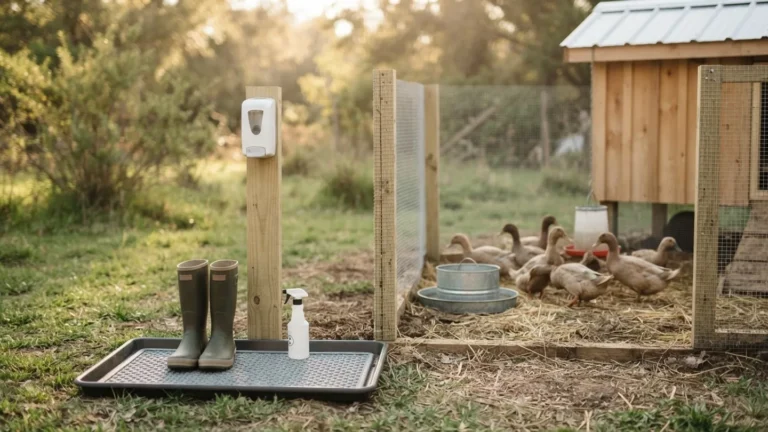
When the weather drops below 32 degrees Fahrenheit, most backyard keepers worry about cold first. Ducks usually need something else first: dry feathers, sheltered air, and water they can actually dunk.
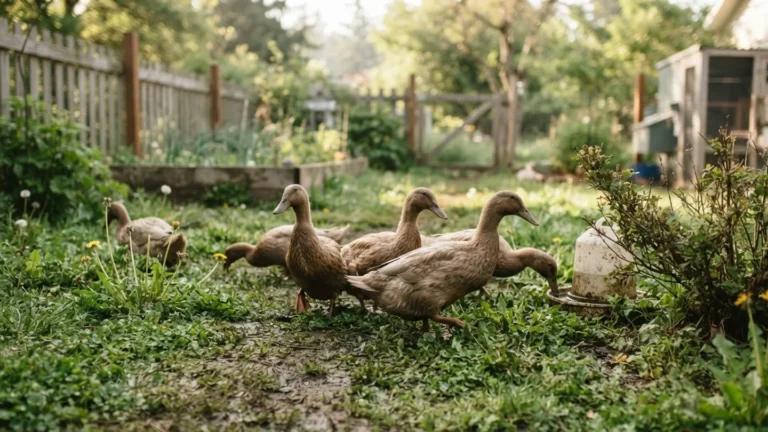
Ducks in winter can surprise you. A healthy adult duck that has a windbreak, dry bedding, and liquid water can do well in cold that would make a soaked chicken miserable. The mess, mud, and ice are the enemies.
This guide keeps winter care practical for US flocks, split by region, and plain about why coop heat lamps are not the fix most beginners want.
What this guide covers
At a glance
- Most domestic ducks handle freezing weather better than beginners expect, but wind and wet can undo their insulation.
- Ventilation matters. The coop needs moving air, not a sealed box.
- Deep dry straw is one of the cheapest winter upgrades you can make.
- Ducks need unfrozen water that lets them dunk their whole head, not just a shallow dish.
- Offer extra feed on hard cold days, then watch body condition and behavior.
- Do not rely on a coop heat lamp. It can hide problems and create real danger.
- Foot care on ice matters. Keep walkways dry and clear hard ice.
What ducks in winter need more than heat
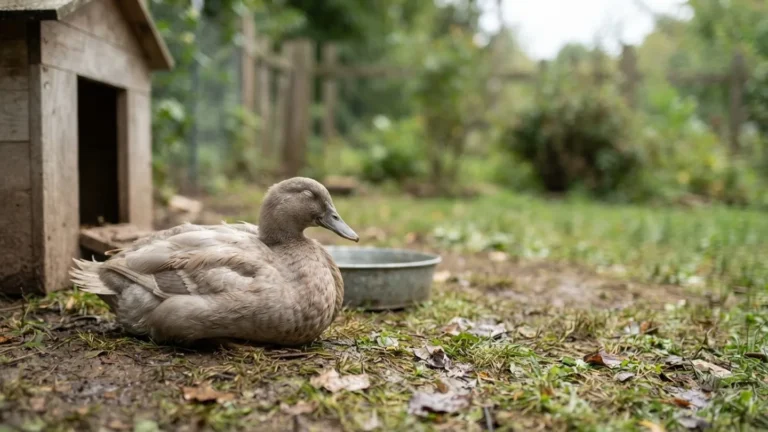
Domestic ducks are not delicate little winter pets. Their down and overall build help them handle 32 degrees Fahrenheit and below better than many newcomers expect. The problem is not cold itself. The problem is cold plus wet, wind, or ice.
A duck can stay warm if its feathers stay dry. If a duck sits in soaked litter, stands on a thin layer of icy slush, or sleeps where a cold draft hits it at eye level, its insulation stops working. Then even a bird that looked fine at noon can become cold, stressed, and sick.
So winter care is mostly management. Your job is to keep the flock dry, keep air moving without letting wind blow directly across them, give water that does not turn to ice, and give extra feed on hard days. A well-run winter duck setup often needs less fuss than a heated one.
Housing needs ventilation with a windbreak. A sealed box sounds cozy, but it traps moisture from breath, spilled water, and manure. That dampness soaks bedding, freezes on surfaces, and makes the whole coop unpleasant. Good winter ventilation lets air move out high or through a vent while the birds rest where the cold draft cannot hit them directly.
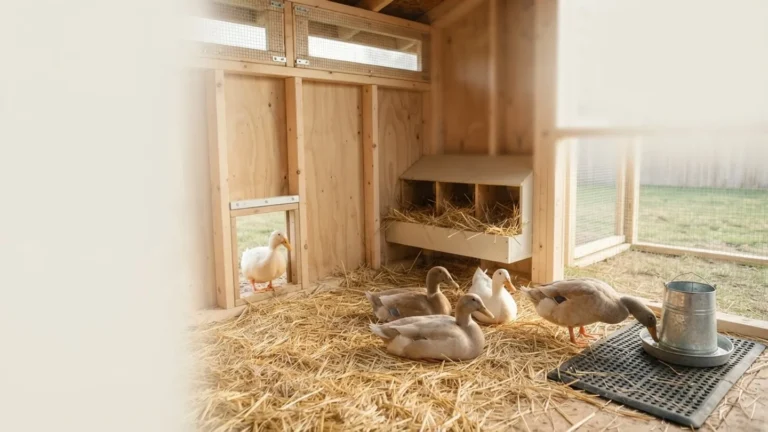
A dry duck coop starts with dry bedding. Straw is better than a bare floor because it insulates, drains, and gives ducks a place to settle without pressing their bellies on cold surfaces. Check the bedding every day and add dry straw where birds sit. If the floor is frozen mud, do not pile loose straw on top of it until it is too thin to matter; use enough depth to keep the resting area dry and warm.
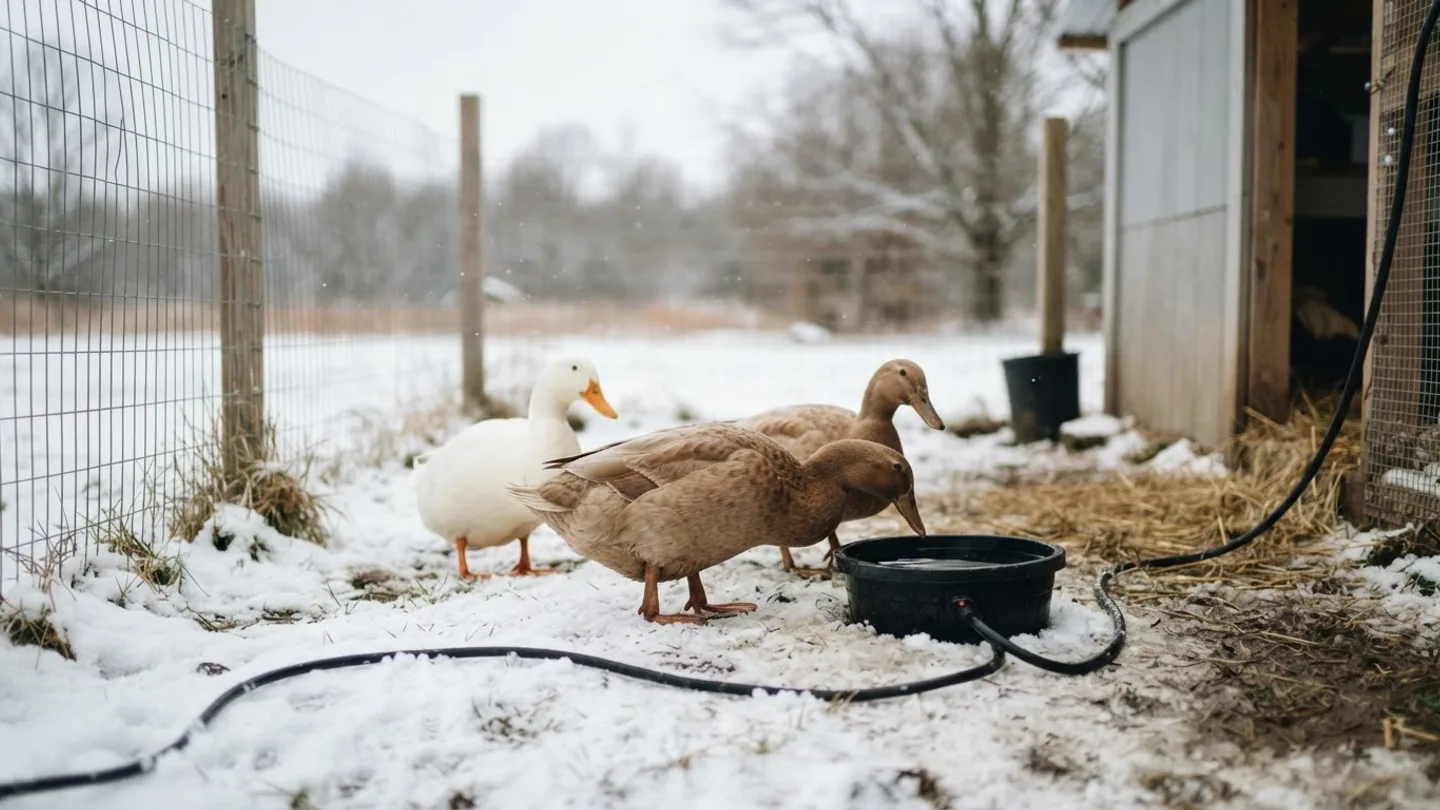
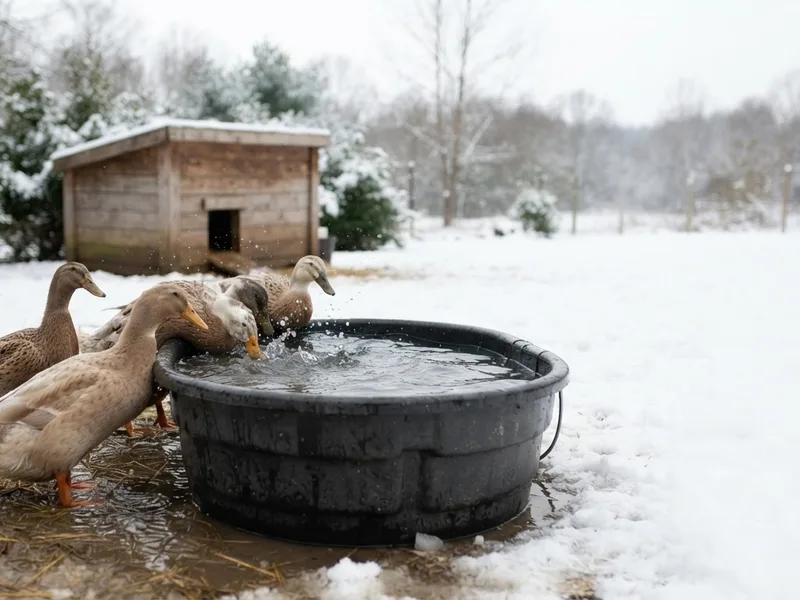
Water is the part people underestimate. Ducks need water that lets them put their whole head and bill under, what keepers call dunking. This keeps their nostrils and eyes clean and helps them swallow food. A shallow dish for drinking is not enough, and water that freezes solid all day is a winter emergency.
For winter water, keep a deep, stable bowl that is too heavy for ducks to tip, and break ice often enough that they can use it. If your water spills into bedding, that spillage freezes and turns the coop floor into a slippery mess. The goal is clean, unfrozen water for dunking, not a frozen pond in the run.
Feed needs change when the weather turns. A duck working to stay warm uses more energy, so offer extra feed on cold days, especially before the long night. If you are not sure what the flock should eat, check the basic ration in what ducks eat before guessing with treats.
But do not confuse extra feed with a reason to skip warmth. Ducks may eat more because they are hungry, yet they can also hide discomfort until they are visibly off. Watch body condition, not just how fast they eat. A duck that looks thin, sits apart, puffs up constantly, or stops using the water should get a closer look.
Winter advice by US region
Long freezes, snow, wind, and ice
Expect long stretches of freezing weather, wind, snow, and ice. The most useful winter jobs are keeping the bedding dry, breaking water ice early, and making sure the flock has a windbreak that still lets air move. A run that turns into icy mud is not a duck playground; it is a foot problem waiting to happen. In hard cold snaps, give the birds a dry resting area and enough feed to carry them through the night.
Dry cold, wind, and sudden freezes
Cold can be drier here, which helps if the birds and bedding stay dry, but wind and sudden freezes can still be brutal. Water can freeze fast, especially overnight, and a sunny day can turn into a muddy thaw quickly. Check water more than once in severe cold, keep bedding dry after thaws, and use shelter and ventilation rather than heat to keep conditions livable.
Wet winters, not just cold winters
The story is often wet, not frigid. Damp bedding, damp feathers, and standing water can make mild weather feel colder than a dry cold snap. Focus on drainage, frequent dry straw, and keeping water spillage away from sleeping areas. A heat lamp does nothing for wet bedding and can add fire risk while the real problem keeps growing.
Brief freezes can still catch you off guard
A freeze may be brief, but it can surprise a flock, especially after warm or wet days. Ducks need shelter from wind, dry bedding, and unfrozen water when the temperature drops. You usually do not need a heated coop. You do need a plan for the first real freeze: move water, add dry straw, and close off cold drafts without sealing the building shut.
Foot care and signs that need a vet
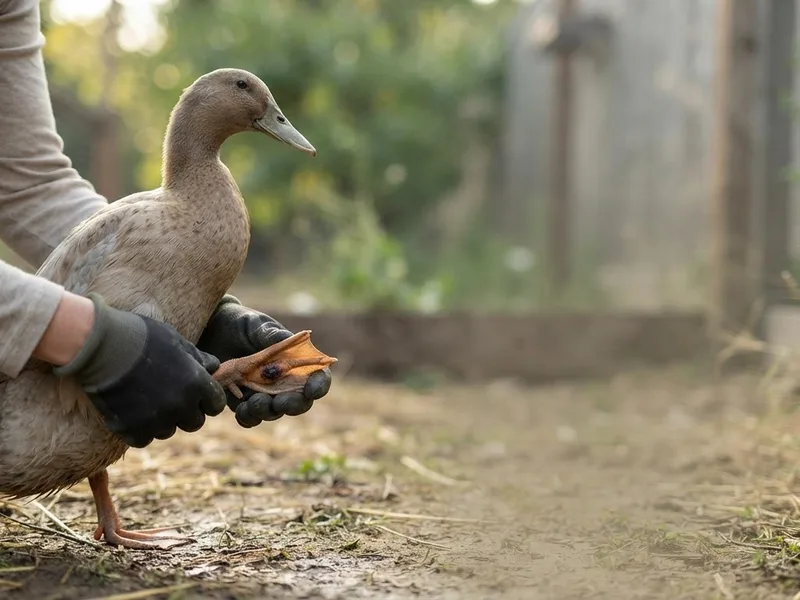
Ice can cause foot problems. Ducks can get sore feet, cuts, pressure sores, and other foot trouble on ice, frozen mud, sharp edges, or rough run floors. They can also get bumblefoot, which is a sore or swollen area on the foot. A minor scratch can become serious if it gets wet, dirty, and ignored, so watch for problems early.
Check feet by looking at how they walk, not by handling every bird all day. Limping, reluctance to stand, a bird that keeps shifting weight, heat or swelling in the foot, or a dark sore are signs to stop guessing. If a foot looks infected or a bird seems sick overall, consult an avian vet.
Prevention is practical. Keep resting areas dry, clear hard ice from walkways, provide enough dry straw or mats, and do not let water freeze into rough, slippery sheets. If the run is a frozen mess, it may be safer to let birds spend more time in a dry, safe loafing area until the ground thaws, while keeping predator proofing in place.
Pros
- They provide quick, visible warmth in a small area.
- They can make a keeper feel more in control during a short cold snap.
Cons
- Fire risk rises when straw, feathers, dust, and wiring sit close together.
- If power fails, the birds may have no backup warmth and can crash after hiding cold stress.
- Heat can mask the real problems: wet bedding, poor ventilation, thin feed, or illness.
- Warm spots can make birds cluster and create wet, icy messes around the heat source.
- A heated coop with poor airflow traps moisture, which defeats the purpose of staying dry.
- Unfrozen water is a more targeted need than heating the entire coop.
A short winter routine you can repeat
Morning water check
Break ice in the water and refill with liquid water the ducks can dunk into.
Bedding sweep
Walk the coop and add dry straw where birds sit, especially under windows, vents, or dripping waterers.
Draft check
Make sure fresh air moves, but cold wind is not blowing directly at the flock while they rest.
Evening feed
Provide feed for the long night, then watch who eats, who sits apart, and who looks puffy or dull.
Ground and feet look
Check for hard ice on walking surfaces, cracked feet, or birds that seem stiff.
Skip the heat lamp plan
Do not make a coop heat lamp your winter plan. Better management is usually safer.
Winter ducks questions
Do ducks need a heated coop in winter?
Most domestic ducks do not need a heated coop. They need dry shelter, wind protection, liquid water, and enough feed. A heat lamp is rarely the first answer and can create real danger.
Can ducks stay outside in winter?
Many adult backyard ducks can, if they have a dry, draft-free resting area, clean unfrozen water, and safe housing from predators and wet wind. The ground and shelter matter more than the outside air alone.
How often should I check their water?
Check water often, especially in freezing weather. Ducks need enough water to dip their heads and bills, and they can get into trouble if it stays frozen. If you can only check once, use waterers that are hard to tip and hard to freeze.
Should I give ducks extra feed all winter?
Give extra feed on hard cold days or when birds are active in the cold. If the weather is mild, avoid letting feed go to waste. Use a balanced base diet suited to your flock's age and condition.
Is swimming bad for ducks in winter?
Do not force a duck to swim on purpose if it is freezing. A small bowl for head dipping is usually enough, and it should be clean, stable, and not freezing into a rough sheet. If the birds do get wet, make sure they have dry bedding and wind shelter until they warm up.
What signs mean I should get help?
A duck that is thin, limping, sitting away from the flock, constantly puffed, or unable to use its water should be checked. For health concerns, contact an avian vet. For local rules about winter housing or livestock, contact your city or county authority.