Ducks as Pets: An Honest Look Before You Buy
Ducks as pets can be funny, friendly, and easy to enjoy, but they are not quiet, tidy, short-lived companions. They are flock animals, usually happiest with at least one other duck. They need clean water every day, a predator-safe space, and a plan for when they outgrow the novelty.
If a farm store has a cardboard box of yellow ducklings, pause. A duckling is a baby with adult needs. It may stay small for only a few weeks, then start needing space, bathing water, feed, and a run that will not turn your yard into mud.
This guide gives the honest tradeoffs for backyard ducks, the daily work, whether a house duck makes sense, basic handling precautions, and the signs that you should wait.
Key takeaways
- Ducks as pets are social, messy, loud, and can live 10 years or more.
- Plan daily feeding, clean water, bathing water, and cleanup.
- A duckling needs a heated brooder and waterfowl feed, not just a temporary box.
- One duck alone is a poor pet setup because ducks do best with company.
- House ducks are rarely a good indoor fit because they need bathing water and produce frequent droppings.
- Wait if this is a spring impulse, a child only project, or an unapproved city or HOA plan.
Wait before you buy if any of these describe you
If you are buying ducklings because they are cute in spring, wait. That is the pattern that leads to abandoned birds. The duckling phase lasts only a few weeks, but the adult bird may live 10 years or more.
If you want a quiet, low cleanup, one bird pet, wait. Ducks are social, and they need companionship. One duck alone can get stressed or loud.
If you rent, live in an HOA, or have close neighbors, wait until you check the rules. City hall, county offices, and your HOA are the right places to ask.
If no adult will own the daily work, wait. Ducklings need heat, waterfowl feed, clean water, and a growing space. A child can help, but the routine needs an adult.
Pros
- Ducks can be funny, alert, and easy to enjoy when their needs are met.
- Female ducks may provide a useful egg supply at backyard scale.
- They can help with insects and offer a simple lesson in daily animal care.
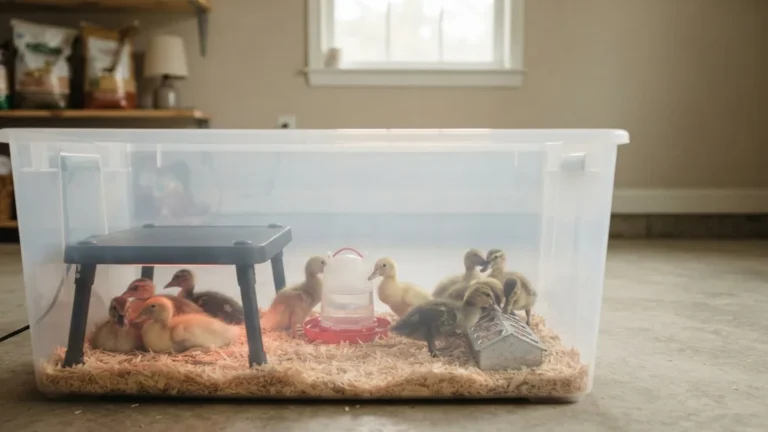
- A small start can be cheap: a storage-tote brooder, a kiddie pool, and a hardware cloth run.
Cons
- Ducks are messy because water and feed become mud and wet bedding quickly.
- Female ducks can be loud, and their quack can carry across yards.
- A single duck is a poor setup, because ducks are flock animals.
- Ducklings need a heated brooder, waterfowl feed, and a growing plan, not just a temporary box.
- Adult ducks need predator protection, cleaning, and dry space that can survive mud.
- House ducks are rarely a good indoor fit because they need bathing water and frequent droppings.
Daily setup before the ducklings arrive
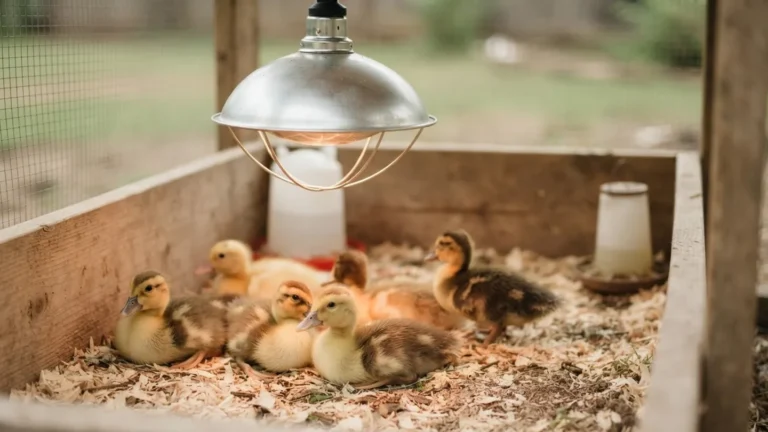
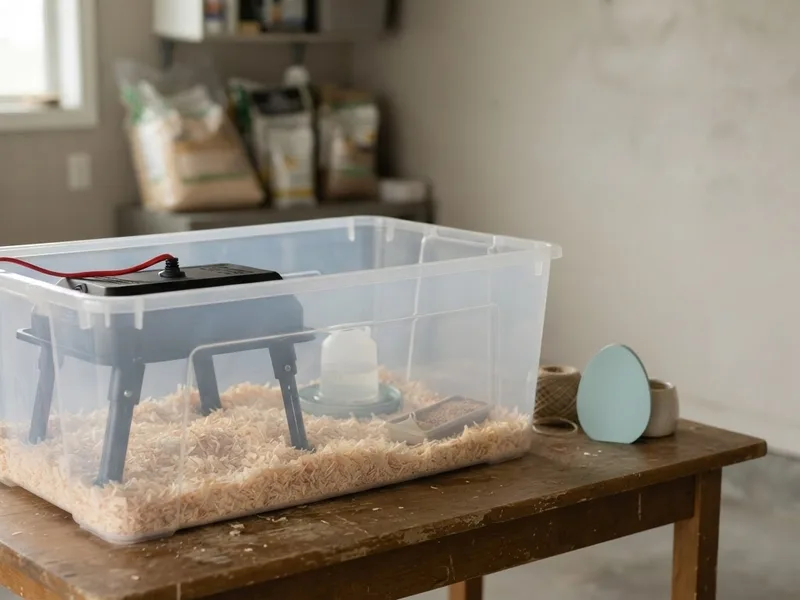
The first mistake is bringing home ducklings before heat and feeding are ready. A brooder, which is a heated, draft-free enclosure for young birds, needs about 90 degrees Fahrenheit at the bird level in week one for ducklings, then a gradual cool down as feathers develop.
Feed is another common mistake. Ducklings are not small chickens at the feeder. Use waterfowl or duckling starter feed, not chicken layer feed, and keep the feeding plan age appropriate. See what do ducklings eat for feed choices by age.
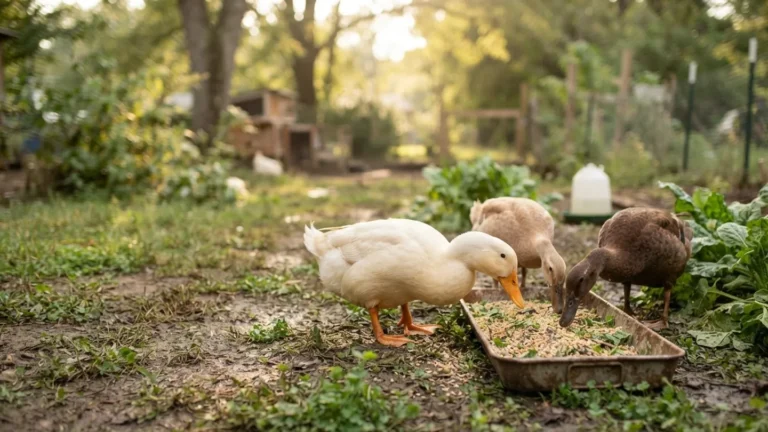
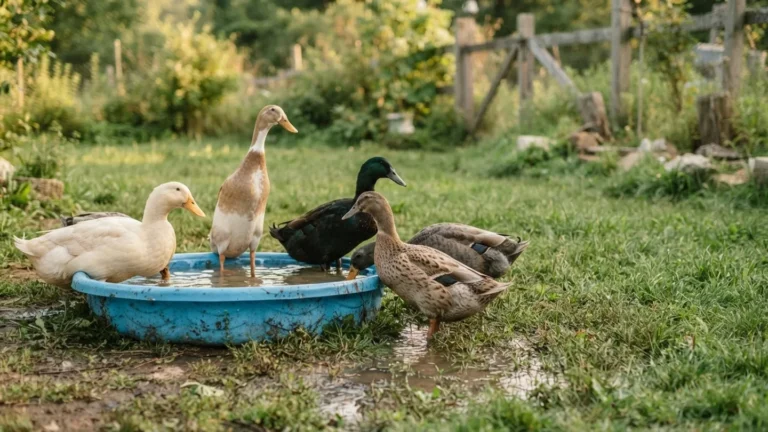
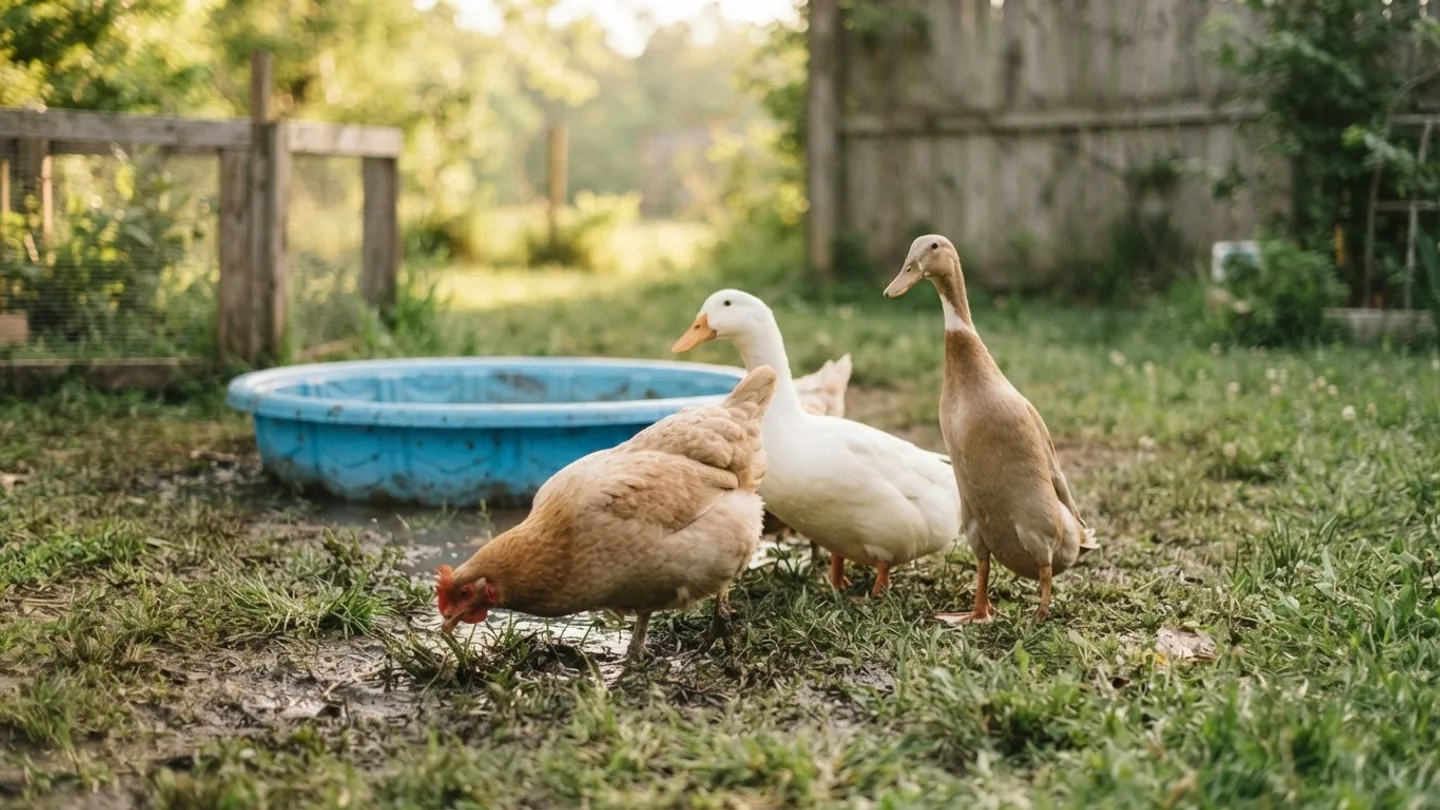
Water is not optional. Ducks need a drinking source they can access, plus a larger bathing source they can dunk their heads into. The bathing water will need dumping, scrubbing, and refilling often.
Space changes fast. A brooder is not an adult home. Before birds arrive, plan dry ground, shade, predator protection, and a run that can be cleaned and refilled. For the full backyard flock picture, see raising backyard ducks, and for week-by-week duckling care, see how to care for ducklings week by week.
Check local rules before buying birds
Ask city hall, county offices, or your HOA about allowed species, flock size, male birds, and any limits on waterfowl.
Prepare housing first
Build or buy a dry shelter and a predator safe run before the ducklings arrive.
Set up brooder and bathing water
Get heat, bedding, waterfowl feed, and a pool or tub ready. A storage-tote brooder can work short term, but it is not a long-term home.
Plan daily cleanup
Decide who dumps, scrubs, refills, and rakes droppings. Ducks need more wet water management than many people expect.
Add hygiene habits
Follow CDC handling rules: hand washing, keeping supplies out of food prep areas, and no kissing or hugging birds.
Have a health plan
Know the nearest avian vet or state veterinarian contact before you need it.
Why house ducks are rarely a simple answer
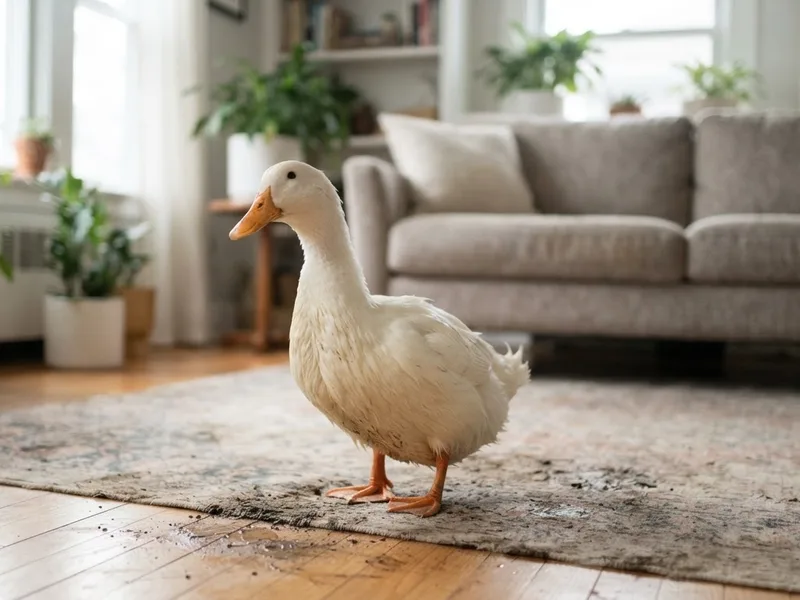
The idea of a house duck usually means keeping a bird inside with the family. That is hard. Ducks need bathing water, not just a drink, and they do not control droppings like a dog can be trained to go outside. A clean kitchen floor or living room rug will not stay clean for long.
A storage tote can work as a temporary brooder, but it is not a duck house. A cage inside a house usually traps smell, hides wet bedding, and makes the bird easier to ignore. If you want a tamer bird, build trust outdoors with hand-fed treats and calm handling.
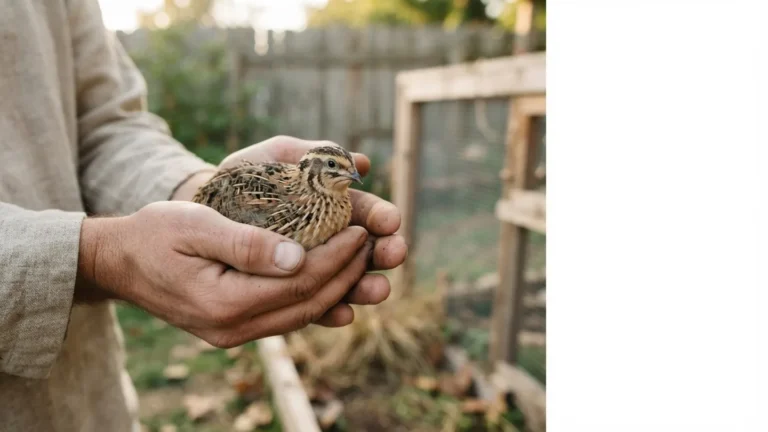
If your plan is a pet duck as an indoor companion, a quail setup or another low-mess small animal may be a better fit. For backyard scale, a duck is best treated as an outdoor flock bird with supervised visits in a controlled, covered area.
Frequently asked questions
Do ducks make good pets for kids?
They can, if the adult owns the routine. Ducklings need heat, waterfowl feed, and clean bathing water. Children can help fill dishes and watch gentle handling, but they should not be responsible for a bird that may live 10 years or more.
Are ducks noisy?
Female ducks can be loud. Their quack can carry across yards. Drakes, which are male ducks, often make softer raspy sounds, but they can still be noisy enough for close neighbors.
Can I keep one duck?
That is a poor idea. Ducks are social birds and do best with a companion. Keeping one duck alone often leads to stress, loud calling, and abandonment.
What CDC handling rules should you follow?
Follow CDC public health guidance for backyard birds: wash your hands with soap and water after touching ducks, ducklings, eggs, feed, waterers, bedding, or anything in their area. Keep duckling supplies out of kitchen spaces, supervise children, and avoid kissing or hugging the birds. Waterfowl can carry Salmonella without looking sick. For illness in a bird, contact an avian vet or your state veterinarian. For questions about people and germs, consult a physician.
Can ducks live in a house or apartment?
Usually no. House ducks need bathing water, produce frequent droppings, and are not easy to litter train. A brooder is for young birds, not an indoor adult home.
What if I already bought ducklings on impulse?
If the birds are already home, finish the first stage with the right heat and waterfowl feed, then plan adult space, cleanup, and companionship. If you cannot continue, look for a rescue, farm, or local keeper who can take them. Do not release domestic ducks to the wild.