Call Ducks: Small, Loud and Full of Character
Call ducks are tiny domestic ducks that often weigh under 2.5 pounds as adults. They are also among the loudest breeds for their size, so the cute little bill hides a very honest warning: this is a duck that will be heard.
They are popular with backyard keepers because they are small, active, social and full of attitude. They fit a modest space better than heavy ducks, but they still need water, secure housing, company and a plan for noise.
If you want the honest version, here it is. Call ducks can be wonderful birds for the right person, but they are not a quiet suburban pet, not a single bird project and not a bird to buy because they look small in a spring window.
What this guide covers
At a glance
- Adult call ducks are small, often under 2.5 pounds.
- They can be very loud, especially hens, so check city rules, HOA rules and neighbor distance before buying.
- Plan about 3 to 4 square feet of coop space per adult bird and 10 to 15 square feet of run space per bird.
- Ducklings need a brooder near 90 degrees Fahrenheit in week one and a duckling starter feed with 18 to 20 percent protein and niacin.
- Most call duck eggs incubate in about 28 days.
- The mistake to avoid: buying one cute duckling with no plan for noise, water, predators or a companion bird.
Call ducks are tiny, but the plan cannot be tiny
Call ducks are a bantam type of domestic duck. Bantam means a small bird, not a different species. Adults are compact and often weigh under 2.5 pounds. With good care, many backyard ducks live about 8 to 12 years, so this is not a spring pet that can be passed on in June. It is a commitment across years with mud, molting, eggs, winter water and neighbor tolerance.
They are kept in US backyards because they eat less than heavy ducks, still act like full duck personalities, and can fit a small run better than Pekins or large meat breeds. They are curious, social and quick on their feet. They also quack with a high voice that can carry far in a quiet yard. A hen call duck is not quiet. A drake, the male duck, is usually quieter than a hen, but it is not silent. A group with too many drakes can stress hens because drakes chase them, and one duck alone can become lonely and noisy. Keep call ducks in pairs or groups, not single birds.
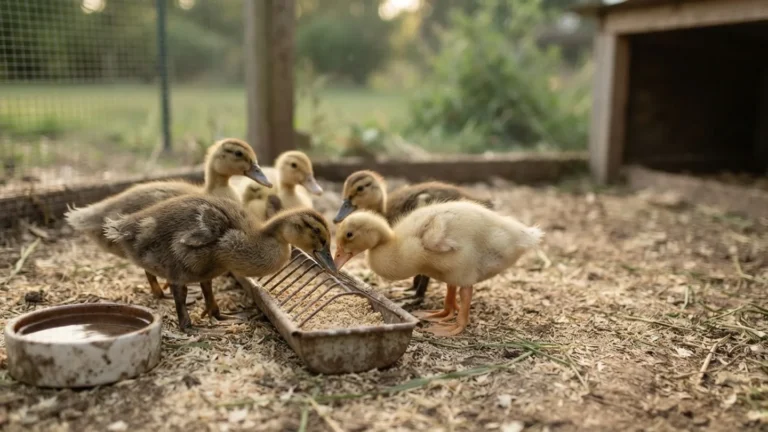
Ducklings need more than cuteness. They need warmth, clean water, safe feed and dry bedding. For week one, a brooder, the heated pen where young birds live, should sit near 90 degrees Fahrenheit and then cool as feathers grow. A storage tote brooder can work for early weeks if heat, space and bedding are checked. A duckling brooder setup is worth reading before you buy birds. Feed a duckling starter with 18 to 20 percent protein and niacin, the B vitamin that helps fast growing ducklings avoid leg problems. Bread is not good food, and scratch is not a complete feed.
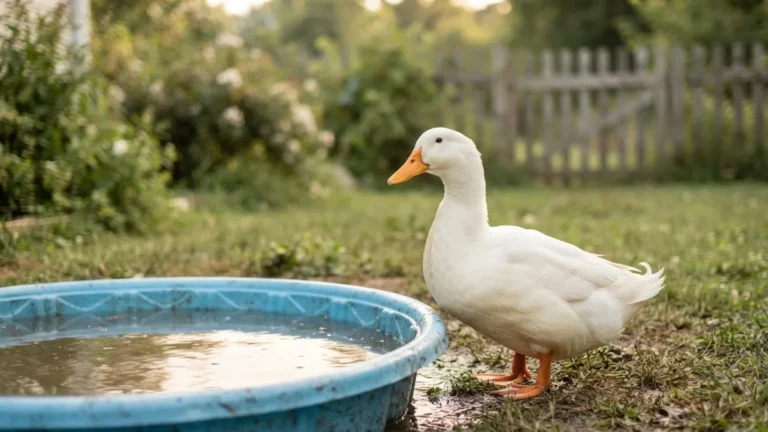
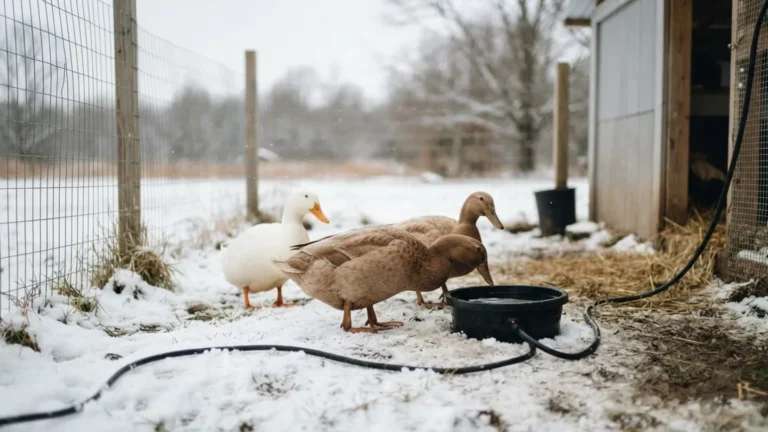
Adult feeding is simpler: a good all flock or layer feed at 16 to 18 percent protein, fresh water for eating, and a clean place to dunk their bills. Ducks do not need a pond if you have a sturdy tub, stock tank or kiddie pool, but they will turn a small patch of ground wet fast. Drain it, refill it and keep feed away from standing water. In winter, check water twice a day so it does not freeze into an unusable block, and keep bedding deep and dry. For a sick bird, stay calm and call an avian vet instead of guessing with home remedies.
Pros
- Tiny adults mean smaller feed bills and easier handling than heavy breeds.
- They are lively, social birds with more attitude than many people expect.
- They can fit a small flock better than Pekins or heavy meat ducks.
- They can provide a few eggs without running a production flock.
- They are good birds to watch because they are quick and expressive.
Cons
- Loud. The quack carries, and that matters near houses.
- Small birds are easy targets for rats, raccoons, foxes, cats, weasels, dogs and hawks.
- They need secure fencing, a safe coop and regular water cleanup.
- They are not a quiet egg machine, and not a good single pet bird.
- Impulse spring ducklings can become an unwanted summer problem.
Where call ducks fit, and where they become a problem
Suburban yard
Call ducks can work in suburbs only when noise is acceptable and the run is away from bedroom windows. Check city rules and HOA rules before buying birds. If your nearest neighbor can hear a dog bark at dusk, assume they can hear call ducks when the flock is excited.
Small acreage
This is easier if you have room for a secure coop, a clean water source and enough run space to keep ground from turning into mud. Small does not mean tiny. They still need the same duck basics, plus solid predator proofing.
Egg first flock
If your main goal is eggs, choose a laying breed first. Khaki Campbells and Indian Runners are usually better picks for steady eggs. Call ducks can lay, but many keepers value them for personality, size and watchability rather than basket weight.
4-H or school project
They can fit a supervised project because they are small and easy to handle. The plan must include heat, feed, water, cleanup and what to do when the bird outgrows the novelty. A warm afternoon does not make ducklings ready to live outdoors.
Flying, predators and the real outdoor setup
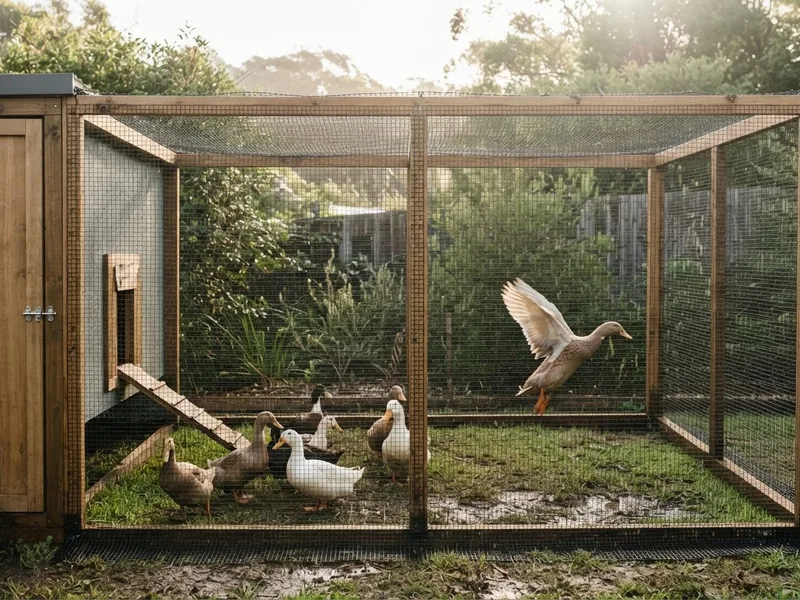
Call ducks can fly or flutter more than many people expect for a domestic breed. Some birds can clear a low fence, especially if they are startled or chased. A covered run removes guesswork. If you clip wings, learn safe handling first and check city or state rules. If you let them free range, start in a secure yard with cover, bring them in each night, and do not leave birds out alone all day.
Their small size raises predator risk. A duck coop needs hardware cloth, not chicken wire alone. Use 1/2 inch mesh, bury an apron of 12 to 18 inches around the run edges, and close all openings with a solid lid or overhead wire. Read predator proofing before building, because a raccoon, rat or curious dog only needs one loose hinge.
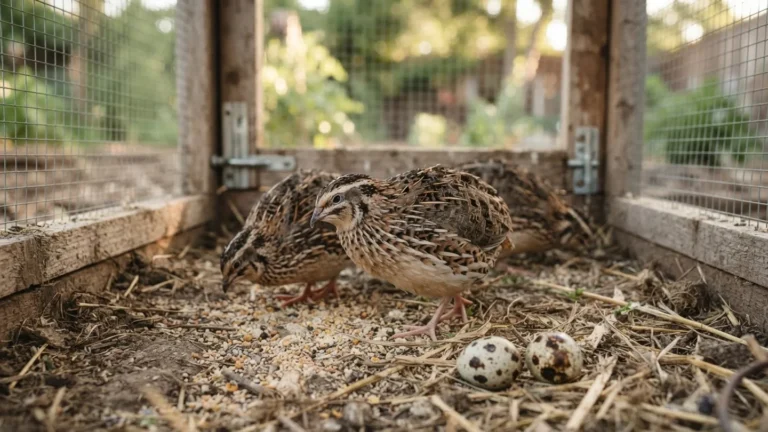
For hatching, call duck eggs follow normal duck incubation: about 28 days, temperature near 99 to 100 degrees Fahrenheit, regular turning and higher humidity during lockdown, the last few days before hatching. If you are new to duck egg incubation, practice with a small batch and have the brooder, feed and water plan ready before the eggs arrive.
Do not make a drake or a hen a lonely indoor companion. Ducks need flock company, a clean place to rest and water they can use without getting soaked and chilled. If you cannot provide all three, call ducks are the wrong bird for your setup.
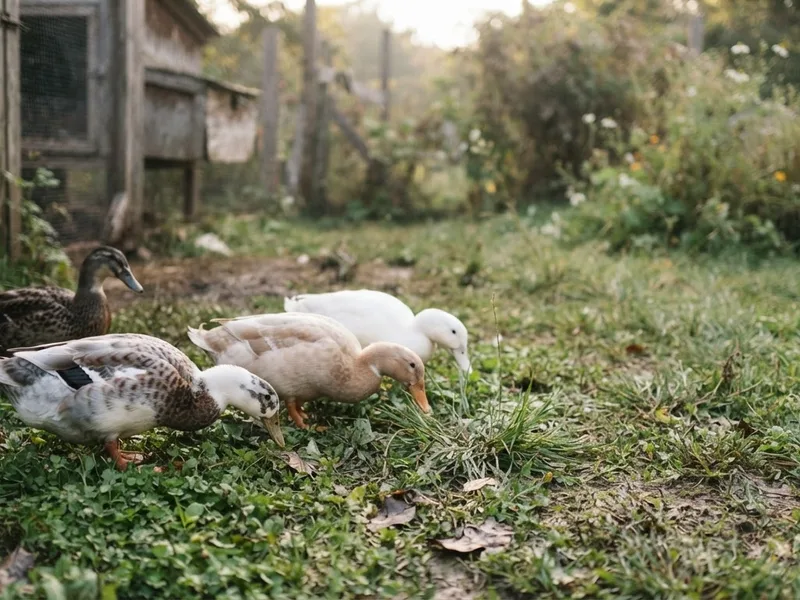
Colors you may see with call ducks
Call ducks come in several color patterns. The colors do not change the noise, the mess or the space plan, but they do affect which birds are easier to spot in a run, which show better and which may look more traditional in a backyard.
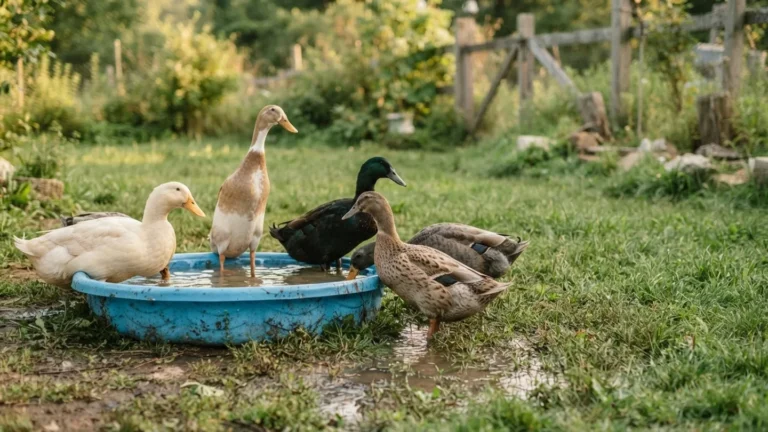
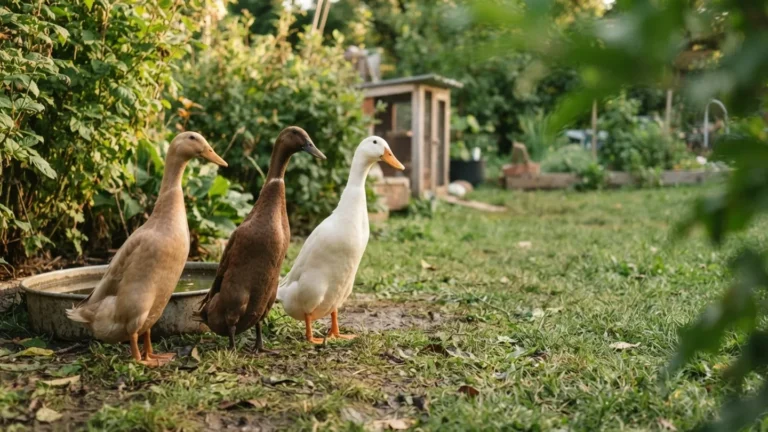
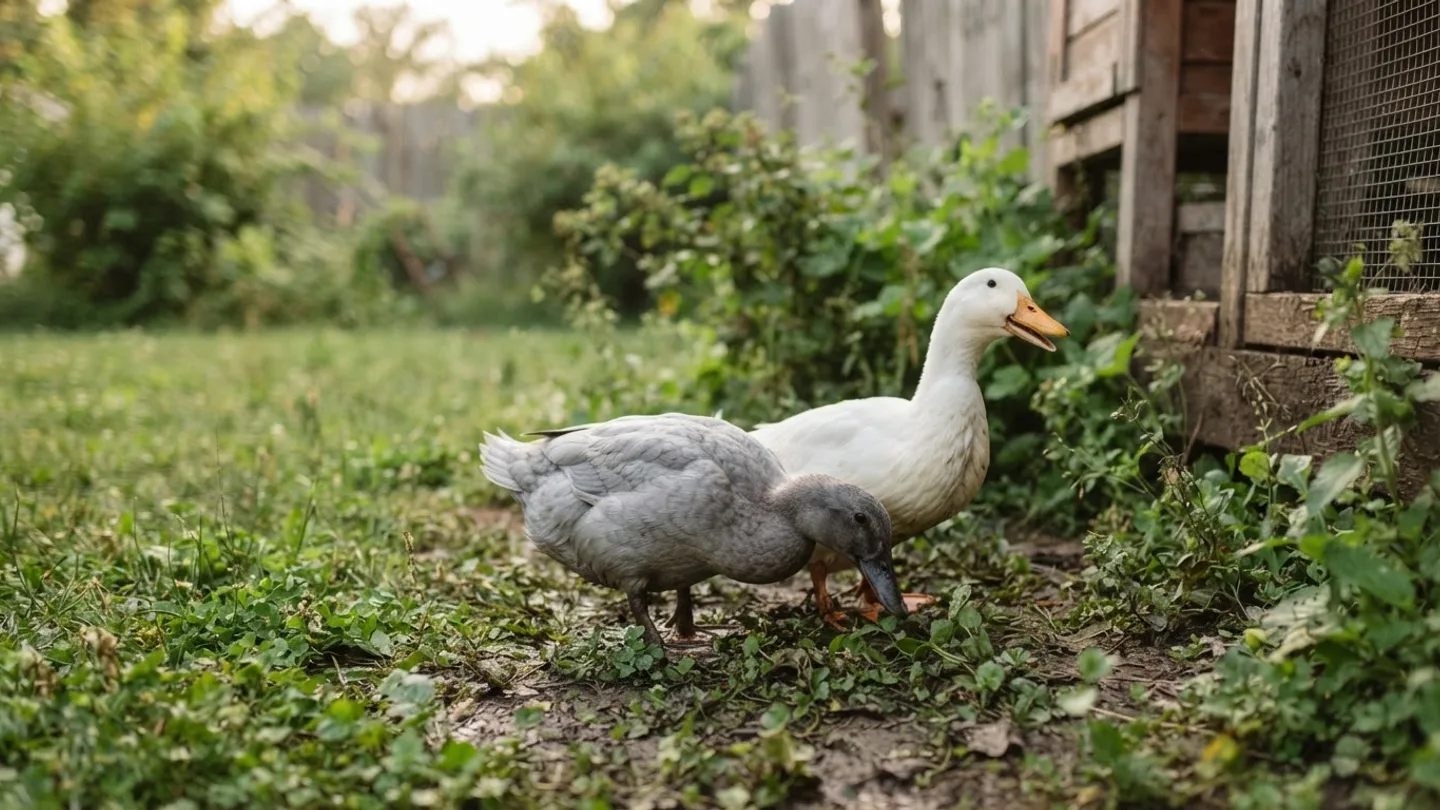
Mallard is the most classic look, with a green head on many drakes and a mottled brown body on hens. White call ducks are clean lined and easy to watch, but pink or pale skin can show more in mud. Black birds can look glossy in good light and may be harder to see at dusk. Buff call ducks have a soft tan color and a friendly backyard look.
Blue and silver patterns are also seen, though names can vary among sellers. If you buy by color, ask what adult pattern you are actually getting. A fluffy duckling can change a surprising amount before it looks like a finished bird.
Plan call duck coop floor space
Minimum adult coop floor space square feet
Questions before you bring call ducks home
Are call ducks good for families?
With adult supervision, they can be good educational birds. They are small and easier to catch than heavy ducks, but they are not lap pets, they poop fast, and the noise is real. If the family only wants a spring toy, choose a different project.
Are call ducks really loud?
Yes. They are among the loudest breeds for their size. The voice can carry, especially when birds are excited, fed or startled. If a quiet yard matters, call ducks are likely a bad fit.
Can call ducks live with chickens?
Often yes, if space, water and feed are managed well. Ducks make wetter bedding, and chickens can bully young ducks if not supervised. Give birds room to escape and separate feeders so chickens do not hog duck feed.
Do call ducks need a pond?
No. They need water deep enough to dunk their bills and eyes. A kiddie pool, stock tank or heavy plastic tub works. Put the tub on drainage, not in front of the coop door.
How many drakes should you keep?
Avoid too many. A beginner group works better with two hens and one drake, or no drake at all if you only want eggs and easier mornings. A drake can chase hens and stress them, so plan for calm, not just a cute boy.
Can a call duck be kept alone?
No. Ducks are flock birds. A single bird often gets lonely and louder. If space is tight, keep a pair of the same species rather than one duck.