When Do Quail Start Laying Eggs?
Coturnix quail, the birds most home flocks keep, usually start laying at about 6 to 8 weeks. Bobwhite quail are different: they lay only seasonally, when daylight lengthens. If you ask when do quail start laying eggs, the answer depends on breed, light, feed and stress.
Point of lay is the moment a hen begins egg production. You may see a quail squat, look broody, or leave a tiny first egg. Do not force the issue by overfeeding or running the light all day.
Use this guide to set the right day length, switch feed at the right time and understand the early egg surprises that scare new keepers.
What this page covers
At a glance quick answers
- Coturnix: first egg at about 6 to 8 weeks.
- Bobwhite: lay during the breeding season, not year round.
- Light: keep about 14 to 16 hours total for Coturnix hens in lay.
- Feed: move to a complete quail layer feed at point of lay.
- Peak: Coturnix often peak soon after they start, then settle.
- Mistake to avoid: do not chase eggs with 24 hour light.
Coturnix Quail Start Early
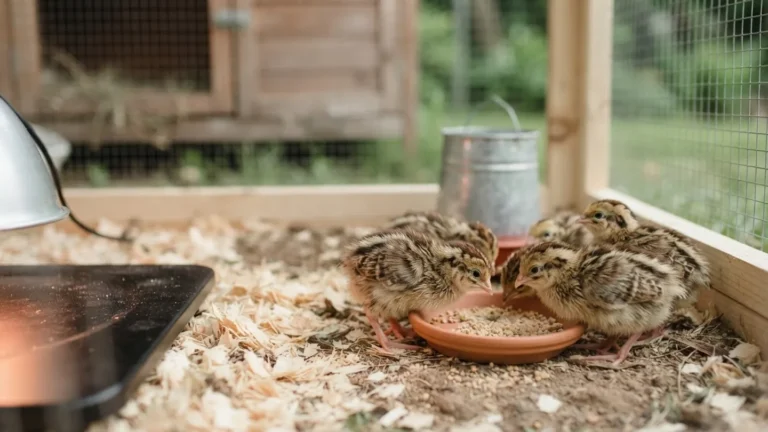
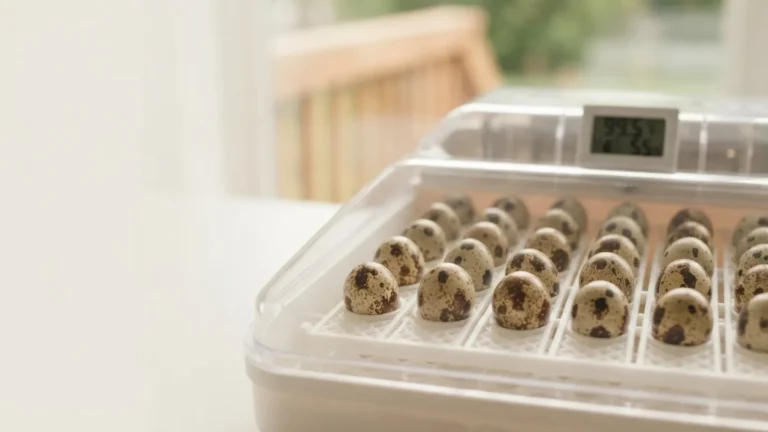
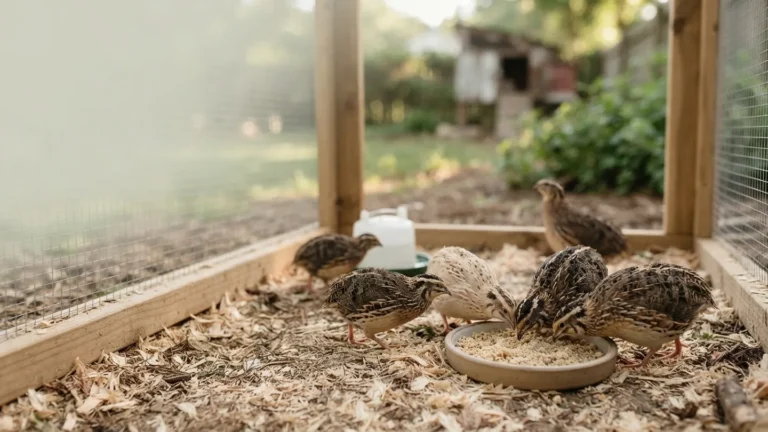
Coturnix are the default backyard quail because they grow fast. Hatching eggs usually take 17 to 18 days. If you started with incubating quail eggs, point of lay often arrives around the 6 to 8 week mark.
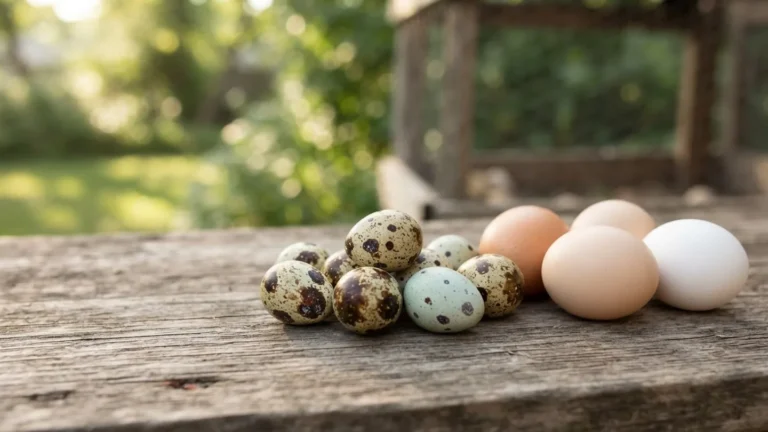
Hens may squat, which means pressing the body to the ground, or become restless before the first egg. Some leave a tiny egg that looks out of place. A hen can also take a few days off after her first egg. That is normal.
If you are unsure which birds are hens, remember that only females lay eggs. Male quail can be loud, but they do not set the laying schedule for the whole flock.
If your Coturnix are 8 to 10 weeks old with good light and no signs of illness, keep waiting. If a bird is hunched, not eating, or has a swollen belly, stop guessing and consult an avian vet or a poultry clinic experienced with small flocks.
| Feature | Coturnix | Bobwhite |
|---|---|---|
| First egg age | About 6 to 8 weeks | Varies by season and day length |
| Laying pattern | Can lay for much of the year with steady light | Seasonal, often spring and early summer |
| Light response | Responds well to a set light schedule | Responds mainly to natural daylight |
| Best for quick eggs | Yes | Usually not the first choice |
| Typical backyard role | Eggs, small flock starter, hatching project | Seasonal eggs, pets, specialty flock |
Light Hours Control the Calendar
Coturnix need enough light to keep laying. About 14 to 16 hours of light in a 24 hour day works well for many flocks. In spring, you can add a low light at dawn. In fall and winter, a timer can hold day length steady after sunset.
Keep the light low and steady. Bright light can cause stress. Continuous light is a bad idea. It can wear birds out, reduce appetite and raise the risk of health problems that need professional care.
Bobwhite are seasonal. They lay when days lengthen, and they slow or stop as days shorten. In the US, that can mean early spring in Georgia and much later in northern states.
A Simple Light Schedule for Laying Quail
Count the hours you already have
Look up your local sunrise and sunset for the month. If daylight is short, plan a small evening or dawn light.
Aim for 14 to 16 hours total
For Coturnix hens in lay, this is the practical target. Bobwhite usually follow the natural season instead.
Add light at one end of the day
Choose either dawn or dusk. Do not let the flock switch between random bright periods.
Put the light on a timer
A timer keeps the schedule steady. A steady day length is worth more than a bright bulb.
Keep darkness long enough
With 14 to 16 hours of light, plan about 8 to 10 hours of darker time for rest.
Watch the flock
If birds stay active, eat normally and lay, the schedule is working. If they seem frantic, reduce light intensity or hours.
Feed Change at Point of Lay
A young quail needs different feed than a laying hen. Coturnix chicks start on chick starter or grower. Around point of lay, move to a complete quail layer feed. For details, see what do quail eat.
Make the swap over 3 to 5 days. Put a little layer feed with grower, then increase it each day. A complete layer feed has protein and calcium in a better balance than random home mixes.
Do not use chicken scratch to raise egg numbers. Also avoid adding a lot of calcium without a reason. Quails are small, and an unbalanced diet can cause more trouble than eggs.
Check space too. Crowded hens eat less and lay less. A properly sized quail cage keeps birds moving, feeding and resting apart.
Pros
- They can start laying while still growing.
- They often lay through the first laying season with light help.
- They fit a small backyard flock when housed and fed well.
Cons
- Production can slow after a few months.
- Males may call and can disturb neighbors.
- Too much light or poor feed can stress hens.
Common Questions About Quail Laying
Do all quail start laying at 6 to 8 weeks?
No. Coturnix are the early starters. Bobwhite lay seasonally, and other quail types can differ.
My quail started late. Did I do something wrong?
Maybe not. Genetics, light, feed, space and sex can all affect timing. If all your birds are males, no eggs will come. If a hen is otherwise healthy, give her time and steady care.
Can I use chicken layer feed?
Some keepers do, but quail are smaller and have different needs. A complete quail layer feed is safer than guessing with chicken feed.
Why did my quail stop laying?
Check light first. Shorter days, stress, predators, overcrowding and illness can all stop eggs. If a bird looks sick, consult an avian vet rather than forcing production.
Do quail need darkness?
Yes. Coturnix on a 14 to 16 hour light schedule still need about 8 to 10 hours of darker rest time.
When do Bobwhite start laying?
They usually start when day length triggers breeding. That can be earlier in the South and later in the North, so expect regional variation.
First Egg Quirks and Peak Laying
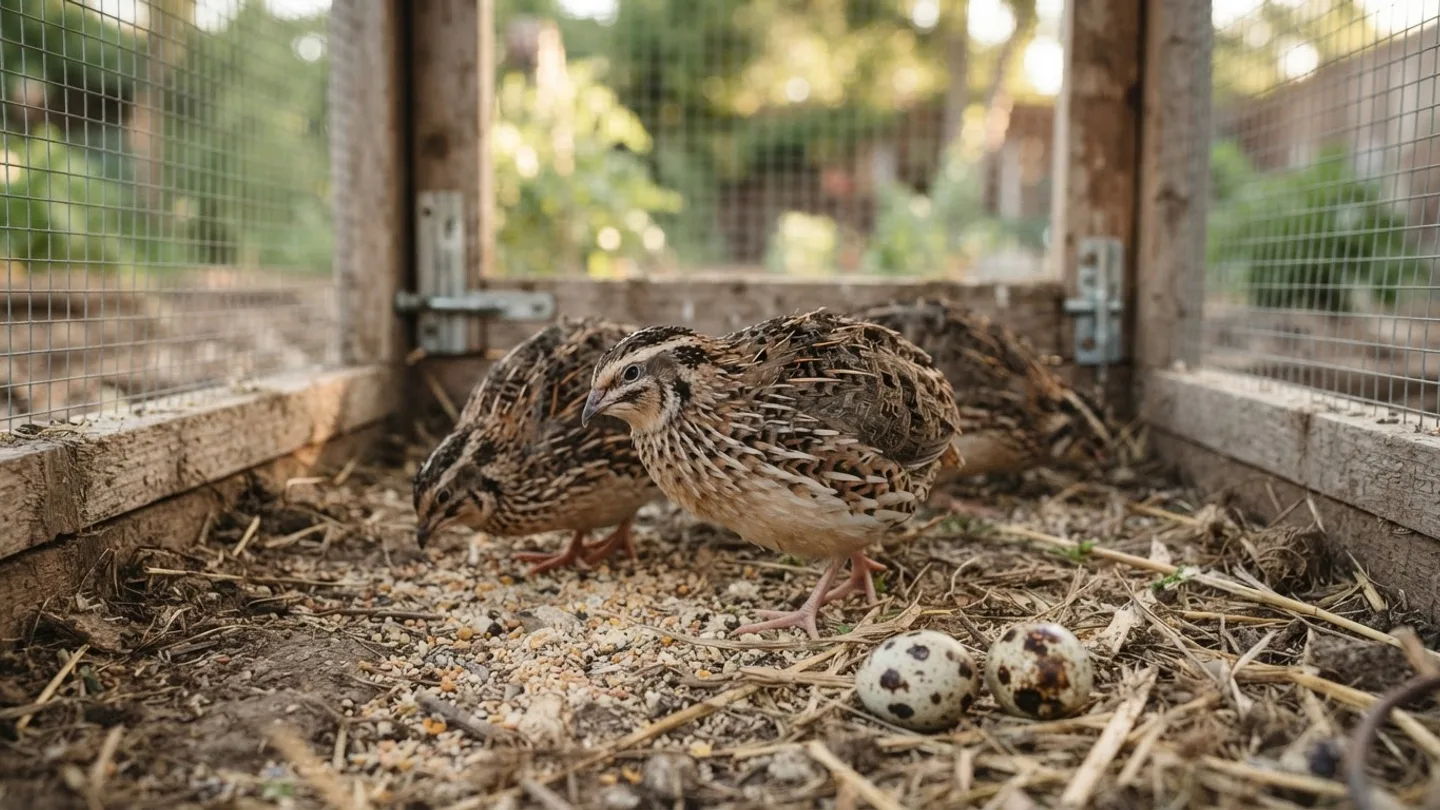
The first eggs from a young hen can be small, round, misshapen, soft shelled or double yolked. They may also skip days. This happens while the reproductive tract is still settling.
If a healthy hen keeps laying soft shells after several weeks, recheck light, feed and space. Do not add a handful of calcium powders hoping the problem will fix itself.
Coturnix often lay best soon after point of lay. You may see the highest output around 8 to 12 weeks of age, then a slower but steady run through the first year. Bobwhite peak during the natural breeding season.
If you want more eggs for the space and time you have, Coturnix with a steady light schedule is the easier path. If you want a seasonal flock with a different feel, Bobwhite can be a fun but less predictable egg option.