Rouen Ducks: Breed Guide to the Big Mallard-Colored Duck
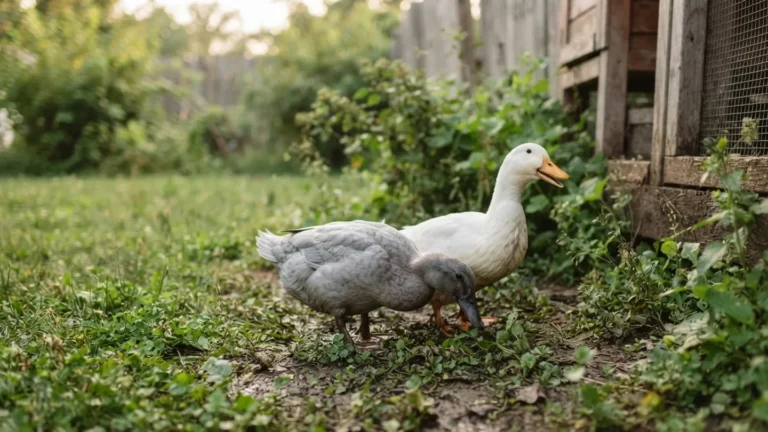
Rouen ducks look like a mallard that grew up well fed. They are the big, calm, mallard color backyard duck for keepers who want friendly birds, home eggs, and a breed that will not fly away every time the gate opens.
If you are choosing ducklings from a farm store, a Rouen is a good pick when you can give dry space, water for dunking, and room for a large bird. They grow slower than white meat ducks, they are heavy, and they do not fly well.
This guide covers size, egg output, temperament, sexing by color, and why Rouen ducks often suit relaxed backyard keepers.
In this guide to Rouen ducks
At a glance
Brooder heat: start at about 90 degrees Fahrenheit in week one, then lower the temperature by about 5 degrees each week until the ducklings are fully feathered and not huddling or spreading away from the heat.
Housing space: plan on about 5 square feet per adult duck inside a dry house and about 15 square feet per adult in the run. A Rouen is too big for cramped chicken style housing, so use the layout ideas in duck-coop.
Feed type and protein: ducklings usually do best on a duck starter or grower feed at about 18 percent protein, then adults can move to a 16 percent layer or maintenance feed. Keep feeding simple and safe using what-do-ducks-eat.
The one mistake to avoid: keeping one Rouen alone. A single duck gets lonely, and a single drake can become bored and pushy with a hen.
Key takeaways
- Rouen ducks are a domestic mallard color breed, not a wild mallard.
- They are heavy, slow growing, and poor fliers.
- They give moderate home egg output rather than record laying.
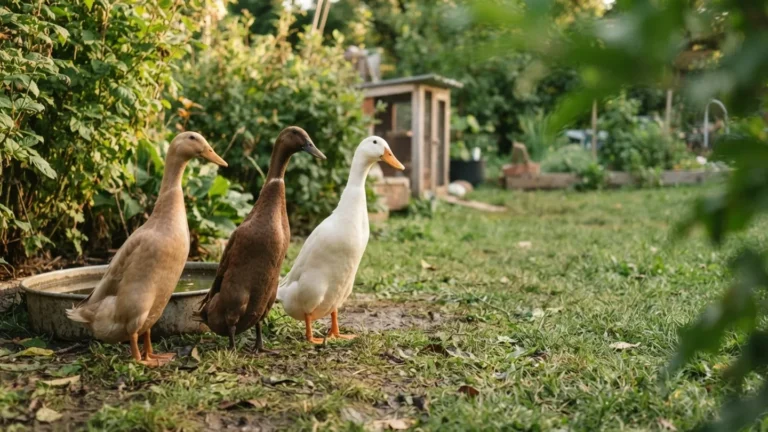
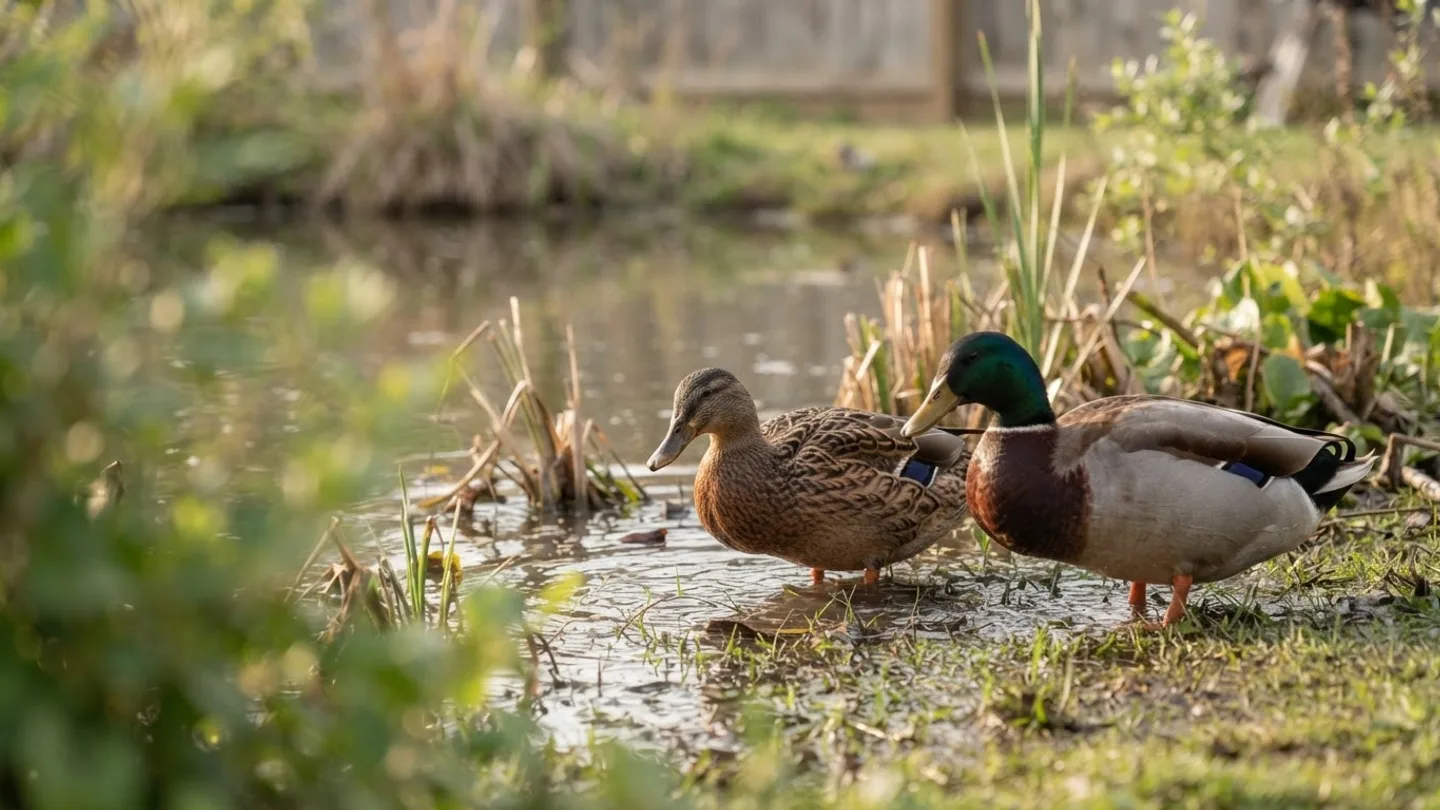
- Sexing by color is easy after feathers come in: drakes show green heads and yellow bills, hens show mottled brown plumage and orange bills.
- They suit relaxed keepers who want calm birds and can provide dry space and head dunk water.
Size and flight: why a Rouen is not a mallard
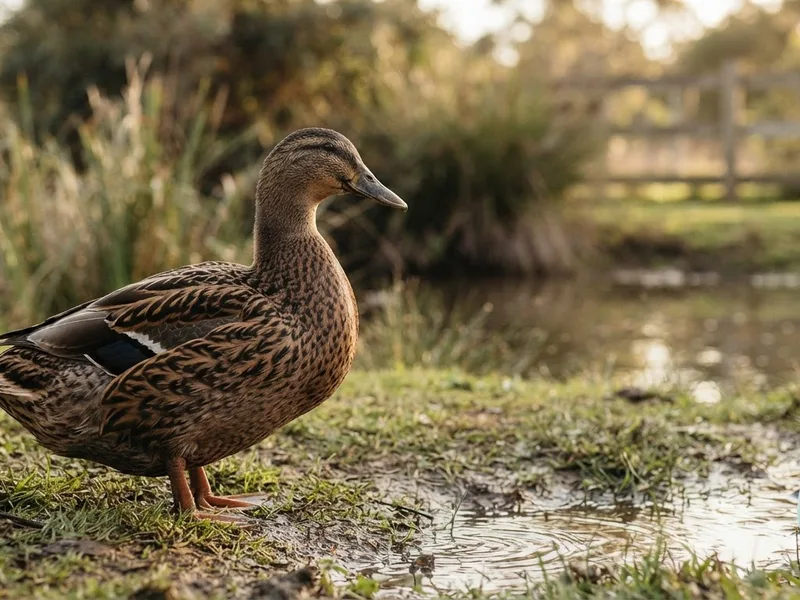
A wild mallard is a light, nimble bird built for travel. A Rouen is a domestic body, bred to sit, waddle, and fill a frame. They are often about twice the size of a mallard, with a deeper chest, longer body, and heavier back.
That weight also explains their flying. A Rouen may flutter up, but it does not have real flight. If your fence, net, or lid is solid, a Rouen will usually stay where you put it.
They are slow growing compared with white meat ducks. That is not a defect, it is just the breed's pace.
| Feature | Rouen ducks | Wild mallards |
|---|---|---|
| Body | Heavy, deep, slow growing | Light, narrow, built to fly |
| Flight | No real flying, short hops at best | Strong flight and migration |
| Egg output | Moderate large eggs for home use | Seasonal wild eggs, not a laying flock |
| Temperament | Calm, tolerant, friendly to humans | Wary, flighty, quick to scatter |
| Backyard fit | Relaxed home flock | Not a domestic flock substitute |
Temperament: calm, curious, and talkative enough
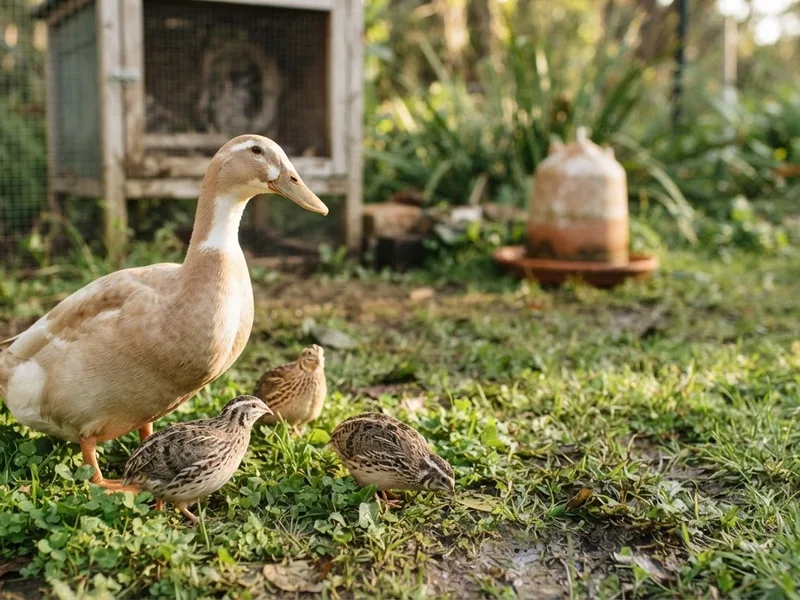
Rouen ducks are easy keepers in temperament. They do not need a fancy setup to enjoy life, but they do need company, dry ground, and water to dunk their heads. They can be friendly birds if handled kindly from a young age.
They are not silent. A female duck, or hen, will quack, and a male duck, or drake, will make a raspy, softer sound rather than the loud mallard quack people expect. If noise matters on your street, listen to a flock before you buy.
Which backyard keepers fit Rouen ducks
A calm flock bird
If you want birds that are calm to watch and do not need a record egg count, Rouen ducks are a good match. They do their work as friendly home flock ducks and give large eggs at a manageable pace.
Good for supervised ducklings
For families starting with a small group, Rouens are easier to sex by color later on. They are also a gentle size for supervised handling, but they still make mess, and a duck is not a hamster.
Room for both, with separate needs
If you already keep hens, give ducks separate space and separate feeding. Ducks can live with chickens, but they need more water, lower roosts, and a cleaner way to manage wet bedding.
Pros
- Calm and friendly with good handling
- Easy sexing by color after feathers come in
- Moderate egg output for a home flock
- Large, mallard color looks great in a run
- Poor flying makes them easier to keep in a secure space
- Good fit for relaxed keepers
Cons
- Slower growing than white meat breeds
- Not a top egg layer
- Messy and water dependent
- Need more floor space than small chickens
- Drakes can be pushy if too many hens are present
- Will not thrive as one bird alone
Setting up for a small group of Rouen ducklings
Start with at least three birds
Ducks need company. A small group is safer than one duck, and it gives you a chance to watch normal behavior.
Set heat and bedding before arrival
Use a brooder at about 90 degrees Fahrenheit in week one and lower it by about 5 degrees each week.
Keep feed simple
Offer a duck starter or grower feed, not bread or snacks. Clean water should be available at feed time so the birds can swallow dry feed.
Plan for water and mud
Rouens want to dunk their heads. A shallow tub, kiddie pool, or pond area is enough, and a dry resting place is just as important as the water.
Sexing Rouen ducks by color and sound
Rouen ducks are one of the easier breeds to sex by color once the adult plumage sets. A male duck, called a drake, develops the shiny green head, chestnut breast, gray sides, blue wing patch called a speculum, and a yellow bill. A female duck, called a hen, keeps the mottled brown look, dark eye stripe, and orange bill.
Sound can confirm what the color hints at. Hens quack louder, while drakes tend to make a raspier, quieter noise. If the color is not enough, read our guide on how to tell male from female ducks.
Common questions about Rouen ducks
Do Rouen ducks lay many eggs?
They are moderate layers. You get large white or pale greenish eggs through a good season, but not the constant output of a dedicated egg breed.
How long does a Rouen duck egg take to hatch?
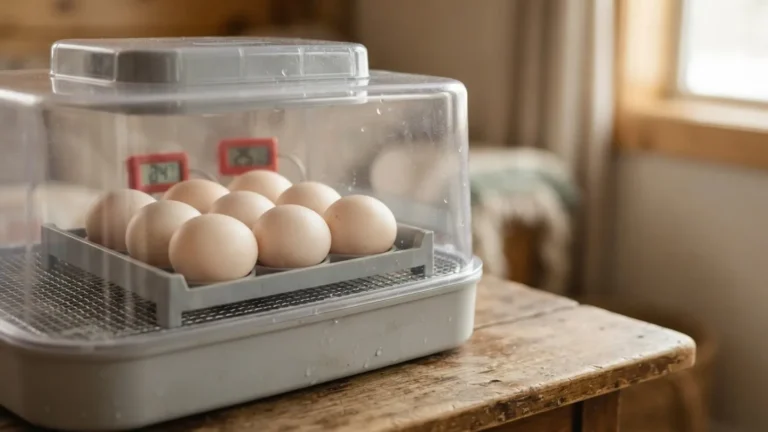
About 28 days for most duck eggs, including Rouen eggs.
How many Rouen ducks should I keep?
At least three. A single duck gets lonely, and one drake can make trouble for a hen.
Can I keep Rouen ducks with chickens?
In some setups, but give ducks separate water, separate feeding space, and enough dry bedding. Wet bedding bothers ducks and chickens.
Are Rouen ducks legal in a backyard?
Check with city hall or your HOA before you buy birds. Local rules vary by city, county, state, and lot size.