Best Duck Waterers for Backyard Flocks
A good duck waterer gives backyard ducks clean water to sip, rinse their bills and dunk their heads. For a quick answer, choose a basin deep enough for adults, keep duckling water shallow and blocked, and expect to scrub more than you think.
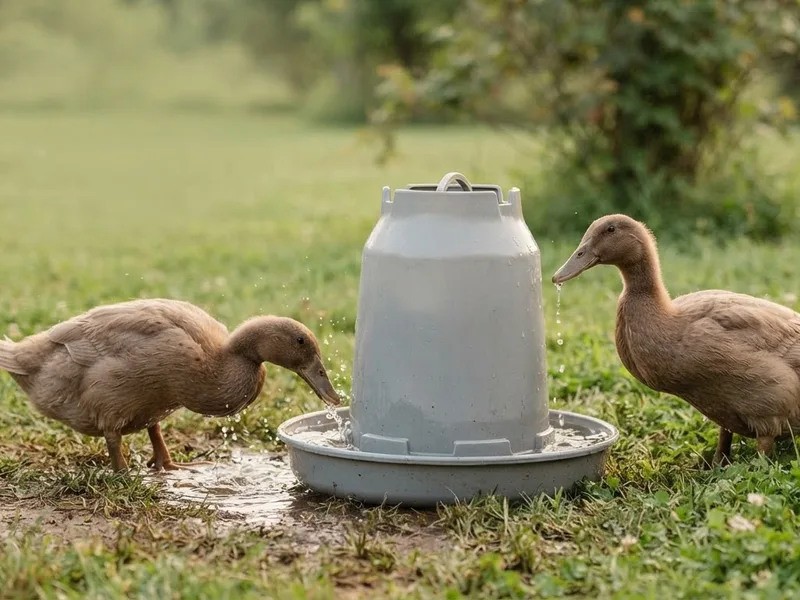
If you are adding ducks to a chicken setup, the waterer is where the two species often split apart. Chickens can drink from a nipple, a small bowl or a standard poultry fountain. Adult ducks usually need more open depth, and ducklings need a safer depth. A DIY bucket waterer can work well, but it must be set up with a tray and a stable landing area.
Quick picks
- Adult ducks: aim for 4 to 6 inches of water so they can dunk heads and rinse bills fully.
- Ducklings: use 1 to 2 inches of water with pebbles, marbles or a screen over the waterer so they cannot get stuck.
- DIY bucket waterer: a bucket with a tray is cheap, but clean it daily and keep it from tipping.
- Least messy pick: a heavy open dunk basin placed on pavers or gravel, not a lightweight bowl.
- Nipple waterer: not enough on its own for adult ducks, because it does not let them dunk heads.
What ducks need from a duck waterer
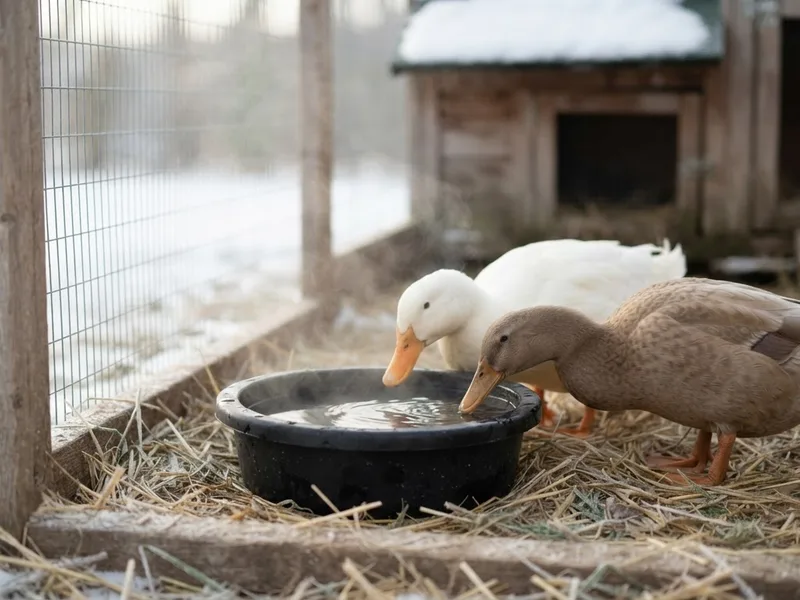
Ducks do more than sip. They lower their bills into water, pump the bill, rinse the nostrils and often dunk the whole head. This matters because a duck that cannot wash its bill and eyes may spend the day with gunk stuck in the wrong places. That is not a reason to panic, but it is a reason to pick the right duck waterer.
For adult ducks, plan on 4 to 6 inches of water in the drinking area. If the basin is only an inch deep, they may splash the water around just to reach it, and you will get a wet mess with little benefit for the bird. If you also want them to swim, keep that water separate from the drinking waterer, because a swim tub fouls quickly.
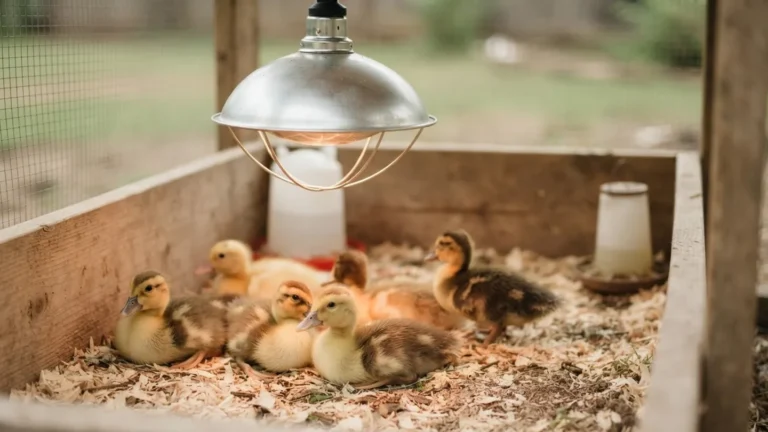
Ducklings are young ducks, and shallow and safe is the rule. A duckling can get trapped in deep water, soak down and chill fast. Keep duckling water at 1 to 2 inches with pebbles, marbles or a screen over the drinking area, and watch them until they are steady on their feet.
A nipple waterer, the kind where a bird pecks a small pin or valve to release a drip, is not enough for adult ducks unless they also have a basin deep enough to dunk heads. Nipple drinkers can help reduce mess, but they do not answer the main duck need.
The best duck waterer is also stable. Ducks step in, splash out and push feed into the bowl. Choose a waterer with a wide base, or give it a heavy base with pavers, bricks or gravel under it. A light bucket on smooth ground will become a swimming pool by afternoon.
Cleaning is where most people cut corners. Rinse the waterer every day, scrub it weekly and check for slimy walls in hot weather. If you do not like the cleaning, buy the simplest style you can reach, not the fanciest one that hides dirt.
Placement matters as much as depth. Keep the water near the feeder, but not so close that every mouthful of feed ends up in the bowl. Keep it out of deep bedding, because wet bedding turns to mud in rain and freezes in winter.
| Option | Best for | Water depth | Mess | Cleaning | Watch out |
|---|---|---|---|---|---|
| Shallow duckling tray with pebbles | young ducks and shallow setups | 1 to 2 inches | low | daily rinse | ducklings can still get wet |
| DIY bucket with tray | small adult flocks and low cost | 4 to 6 inches | medium | daily | needs a stable rim and daily checks |
| Hanging plastic poultry waterer with large tray | small backyard flocks | 4 to 6 inches if the tray is deep | low to medium | medium | many hanging waterers have trays that are too shallow |
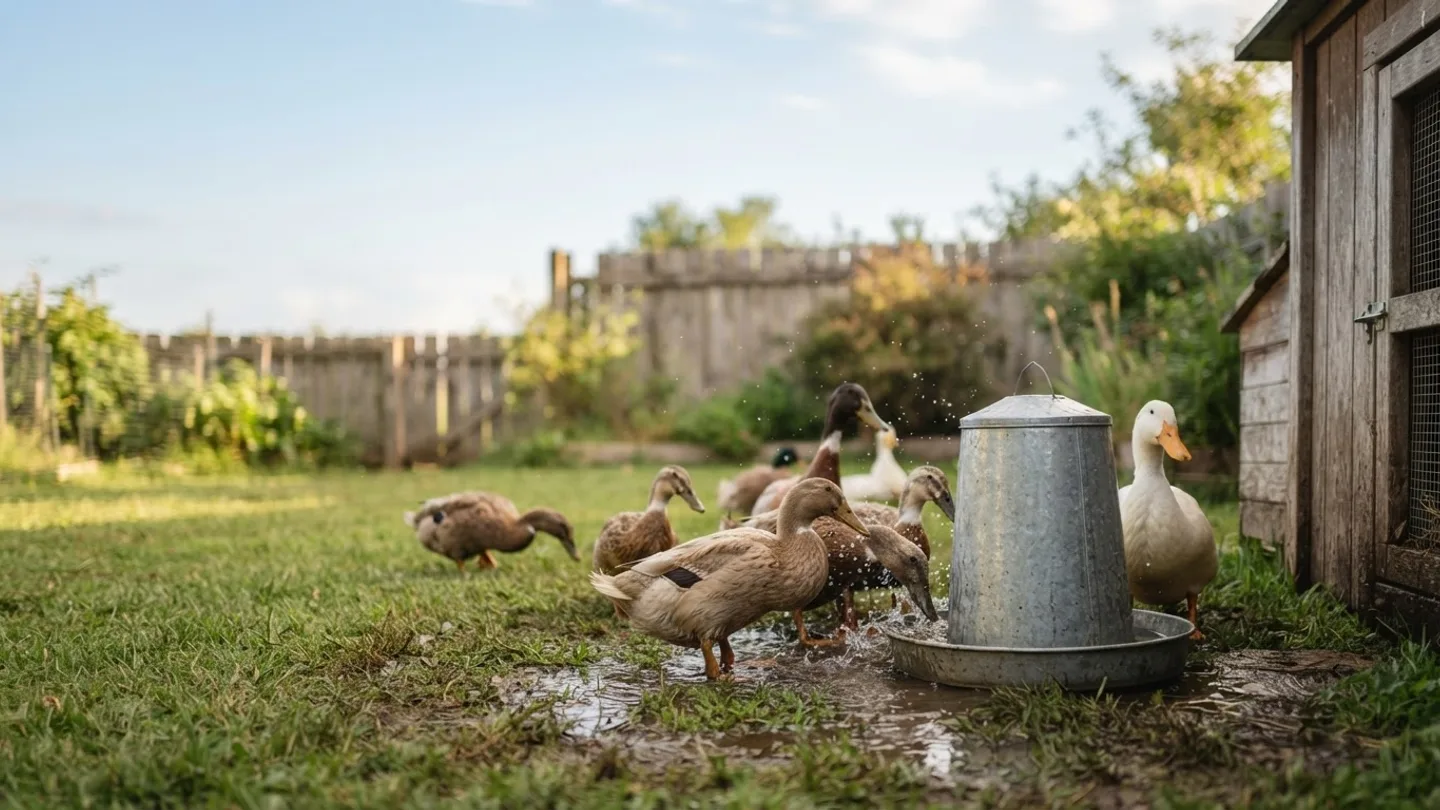
| Galvanized steel poultry waterer | adult ducks in a run | 4 to 6 inches if the base is deep | medium | medium | watch for sharp edges and slippery rims |
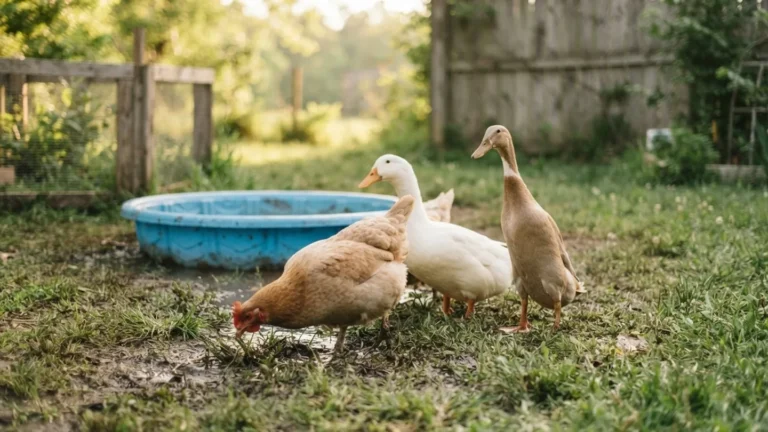
| Open plastic dunk basin or storage tub | drinking plus dunking | 4 to 12 inches | high | easier to scrub, but fouls fast | do not use as the only waterer for ducklings |
| Automatic float waterer in a run | busy keepers with multiple birds | 4 to 8 inches if the basin is sized right | medium | low to medium | check it daily for float faults and freeze risk |
| Nipple waterer only | chickens and occasional ducklings that can reach a dish | no dunk depth | low | low | not enough for adult ducks unless they also have a dunk basin |
DIY bucket duck waterer setup
Pick a sturdy bucket and a tray
A 3 to 5 gallon plastic bucket is enough for a few adult ducks, and the tray needs to hold 4 to 6 inches of water without spilling over the top.
Choose a simple form
For a no valve setup, invert the bucket into the tray and cut a hole near the top side of the bucket when it is upright, so the hole is close to the tray when inverted. Fill slowly until the tray holds the water depth you want. For a cleaner setup, use a bucket with a spigot or float valve that feeds the tray. A float valve refills as the tray drains, and a spigot lets you control the flow by hand.
Set it on a stable base
Place the bucket and tray on a paver, brick or bed of gravel. Ducks will push, wade and splash, and a bucket on dirt or mulch will tip or sink.
Keep ducklings away from deep bucket water
If you need a duckling version, use a shallow tray with pebbles inside a fenced area, or block the bucket opening so only a few inches of water are accessible.
Dump, rinse and refill every day
Scrub the walls weekly with a bottle brush. If the waterer looks fine but feels slimy, it is already too late to skip the scrub.
When to skip a waterer style, and what to do in winter
Skip the nipple only plan. Nipples can help reduce wet mess, but adult ducks need to dunk heads and rinse bills. If you have a nipple setup, add a dunk basin or a deep tray before calling the flock watered.
Skip tiny bowls and saucers. If the waterer is too small for the duck to put its head in, you will get more mud and less benefit.
Skip open deep water for ducklings without barriers. A duckling can drown, soak and chill in a bowl that looks fine to a human.
Skip a waterer you hate to clean. A simple bucket tray you scrub daily beats an automatic waterer you check once a week.
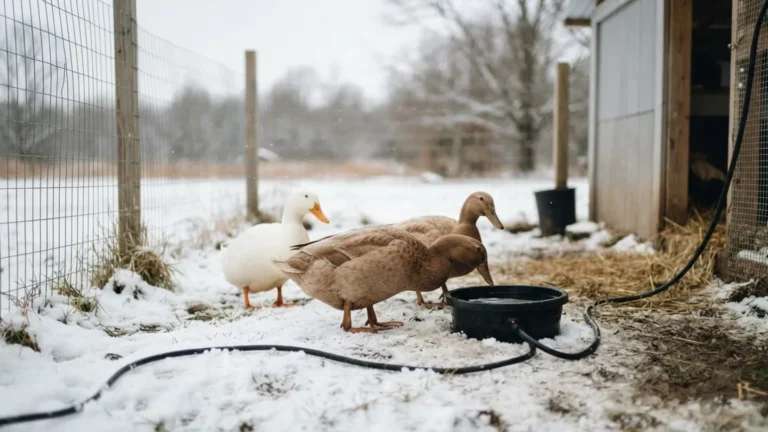
In winter, the duck waterer can freeze before noon. If you cannot check twice a day, a heated waterer, heated base or heated bowl can make the job easier. Use an outdoor GFCI outlet, which cuts power if it senses moisture, follow the product instructions and read Caring for Ducks in Winter before wiring anything in a damp run. If you are unsure about wiring, hire a licensed electrician.
If a duck will not drink, has swollen eyes, wet or crusty nostrils, or breathes with effort, do not guess with a new waterer. Call an avian vet.
Common duck waterer questions
Can ducks share a chicken waterer?
Sometimes, but only if it gives them enough open depth to dunk their heads. A hanging waterer with a large tray can work. A nipple waterer alone will not do it.
How deep should a duck waterer be?
Adult ducks do well with 4 to 6 inches. Ducklings need 1 to 2 inches with pebbles, marbles or a screen so they cannot get stuck.
Do ducks need to swim to stay healthy?
They need to dunk heads and rinse bills daily. Swimming is a bonus and is good for feathers, but a deep swim tub can dirty fast and should not replace a clean drinking waterer.
How often should I clean a duck waterer?
Rinse it daily and scrub it weekly. In hot weather, or when ducks throw feed and feathers into it, clean twice a day if the water starts to smell.
Can I use a storage tote as a duck waterer?
Yes, if it is low enough to reach, stable and easy to scrub. A tote can become a mini swim tub, so keep it away from bedding and empty it regularly.
Is a heated duck waterer safe?
Use a product made for poultry or pet water, put it on an outdoor GFCI outlet and check it daily. Do not improvise with lamps or wiring in wet bedding.