Khaki Campbell Ducks: Breed Guide for Egg Lovers
Khaki Campbell ducks are one of the first breeds to point to when you want eggs from a small backyard flock. They are active, khaki brown birds with a no fuss habit. They are not the cutest duck, not the quiet duck, and not the bird to buy if you want a gentle show centerpiece. They are egg layers, and good ones.
If your question is simple: yes, Khaki Campbell ducks are among the best laying ducks, often 250 or more eggs a year. This guide gives the fast answer, then the practical details you need: temperament, feed, housing, noise, and a short comparison with Runner ducks.
Key takeaways
- Khaki Campbell ducks are strong egg layers, often 250 or more eggs in a year.
- Ducklings need heat at about 90 degrees Fahrenheit at the brooder heat source in week one, then lower gradually as feathers grow.
- Give adults about 3 to 4 square feet of coop space and 10 to 15 square feet of dry run space per bird.
- Use a layer feed with about 16 percent protein, plus clean water, grit and oyster shell for calcium.
- Expect noise. Khaki Campbell ducks talk when food arrives, an egg is laid, or they are curious about you.
- One mistake to avoid: filling them with treats, which can dilute their layer ration and slow egg production.
Fast answer: Khaki Campbell ducks for eggs
Khaki Campbell ducks are a backyard egg breed first. If you keep them for eggs, keep females. You do not need a drake, which is a male duck, to get eggs for the kitchen. A drake is useful only if you want fertile eggs and ducklings, and that usually means more mess, more attention and the risk of overbreeding your hens.
A young female is called a pullet until she starts laying, and the point of lay is the time when laying begins. Timing varies by bird, season, feed and daylight, so compare with When Do Ducks Start Laying? before you set expectations.
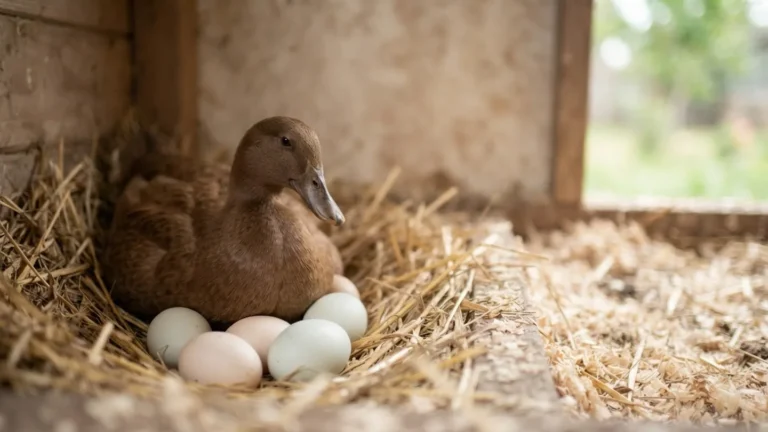
In a small home flock, treat laying as a result of good care, not a guaranteed 250 eggs for every bird. Good feed, clean water, enough space, light and a calm routine help. A sick, molting or broody duck will not keep pace, and that is normal.
Pros
- They are bred for egg production, not for show size.
- They can do well in a small backyard run when you give them clean bedding.
- They are active and alert, so they can enjoy a fenced yard and pest control work.
- They are easy to tell apart from heavier meat ducks, since they look leaner and more upright.
- They can fit well with other birds if you do not overstock the coop.
Cons
- They are noisy for a small yard, especially when laying or waiting on feed.
- They are not a quiet duck breed, so close neighbors may complain.
- They can be flighty if you never handle them, and they may need time to trust you.
- They are not the best choice if you want a calm lap duck for a child.
- Their egg production needs better feed and shell support than a casual pet flock.
What Khaki Campbells are like in a backyard
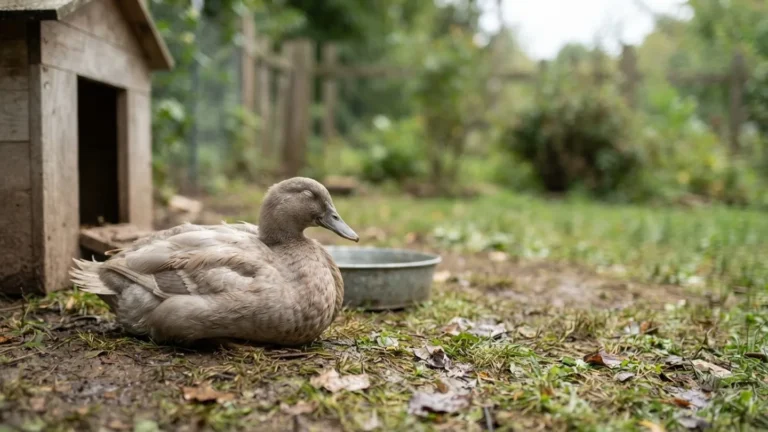
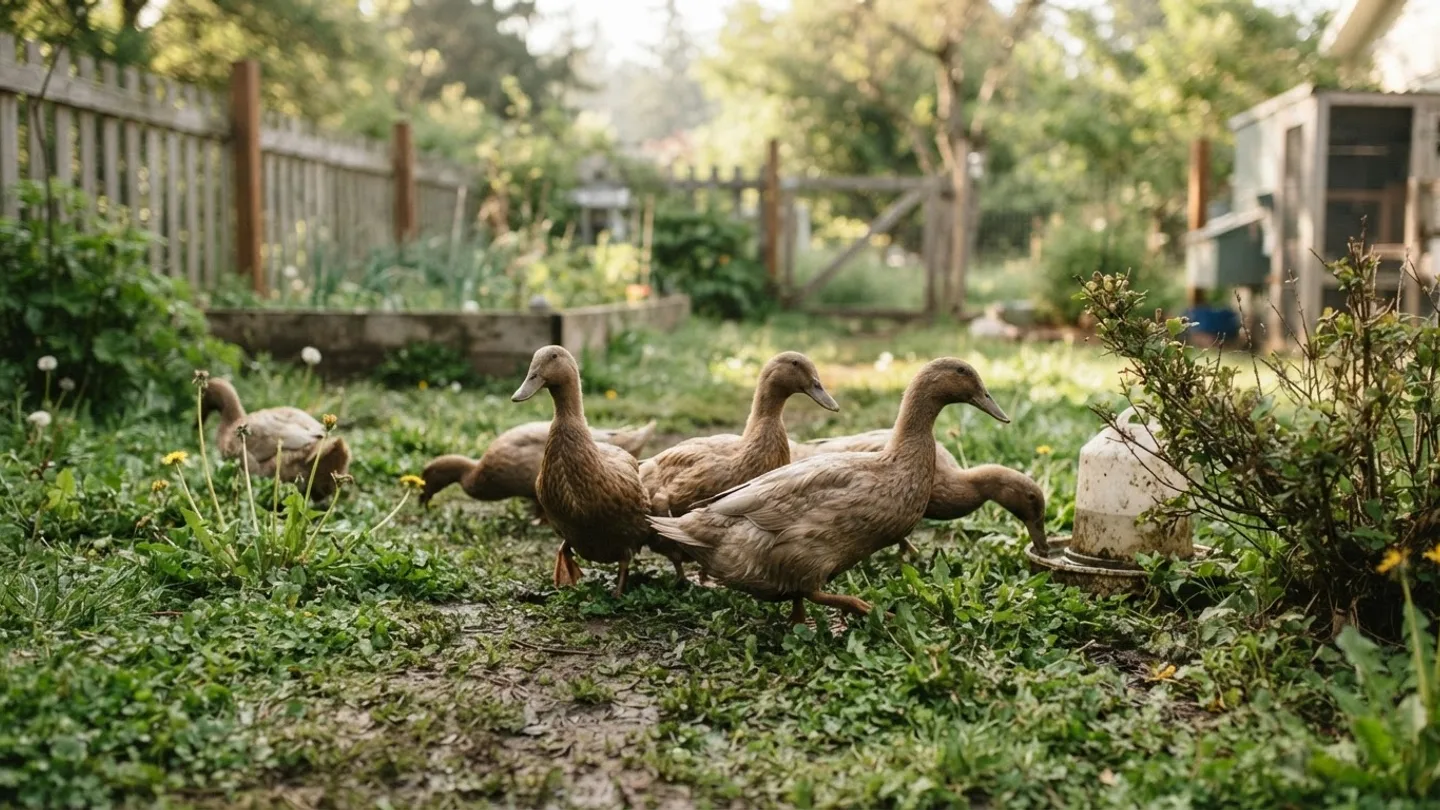
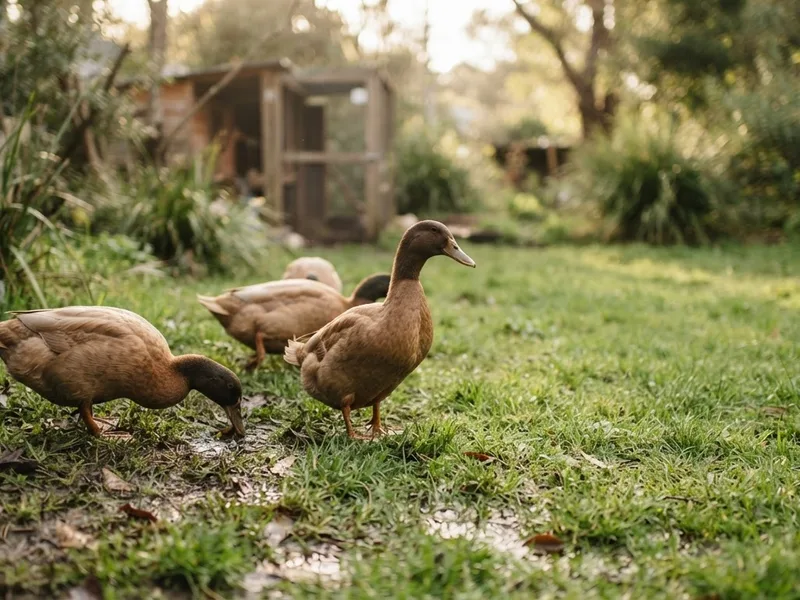
Khaki Campbells are lively birds. They move, watch, ask for food and do not look like a round Pekin duck. That activity is part of why they are good layers. They are not aggressive by nature, but they can be pushy at the feeder and noisy when they want attention. Regular calm handling from duckling age can make adults easier to pick up, but they are not lap animals.
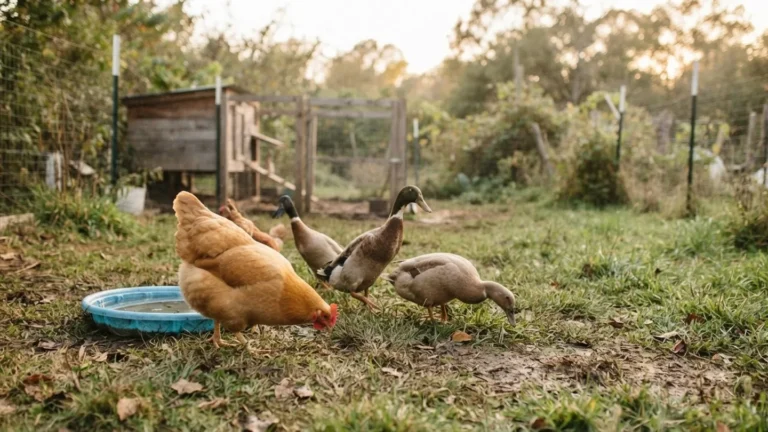
They work well with other ducks if you keep enough space. They also fit a flock that already has chickens, as long as you do not force them to live in chicken only conditions. Ducks need lower perches, easy access to clean water, and bedding that can handle splashing. If you keep them with chickens, give ducks their own shallow water area and feed that is safe for both.
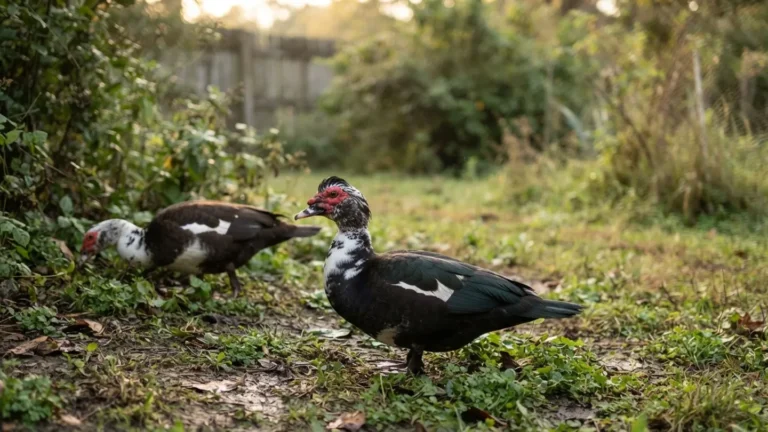
If you want a quieter duck, see Muscovy Ducks. They are not the same experience as a Khaki Campbell, but they can be a better neighbor match when noise is the main worry.
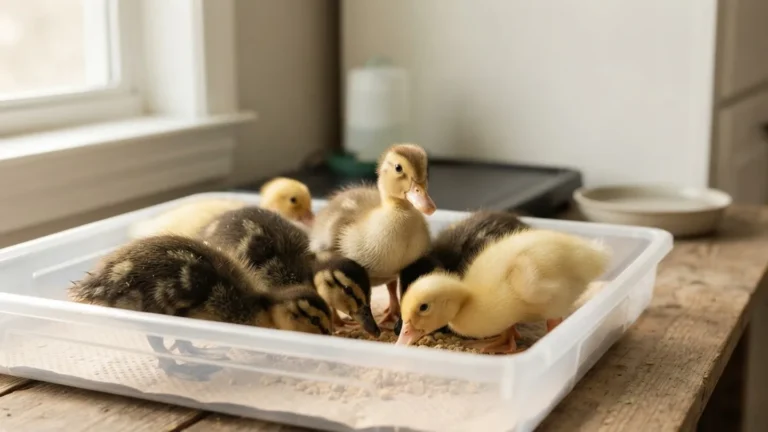
A duckling is a young duck, and a brooder is the heated setup you use while they grow. Khaki ducklings can be very quick and noisy in week one, so watch the temperature before you blame the bird.
| Attribute | Khaki Campbell | Runner duck |
|---|---|---|
| Best for | Backyard egg flocks | Backyard egg flocks and upright personality |
| Egg output | Often 250 or more eggs a year | Strong backyard layer, varies by line |
| Body shape | Fuller duck profile, khaki brown feathers | Tall, narrow and upright |
| Temperament | Active and curious, can be tamed with routine handling | Lively and talkative, can seem more restless |
| Noise | Talks at feed, eggs and surprises | Talks a lot, often described as very chatty |
| Handling | Often easier for steady egg focused flocks | Can be more flighty if not handled young |
| Good with children | Supervised and calm handling | Supervised and calm handling |
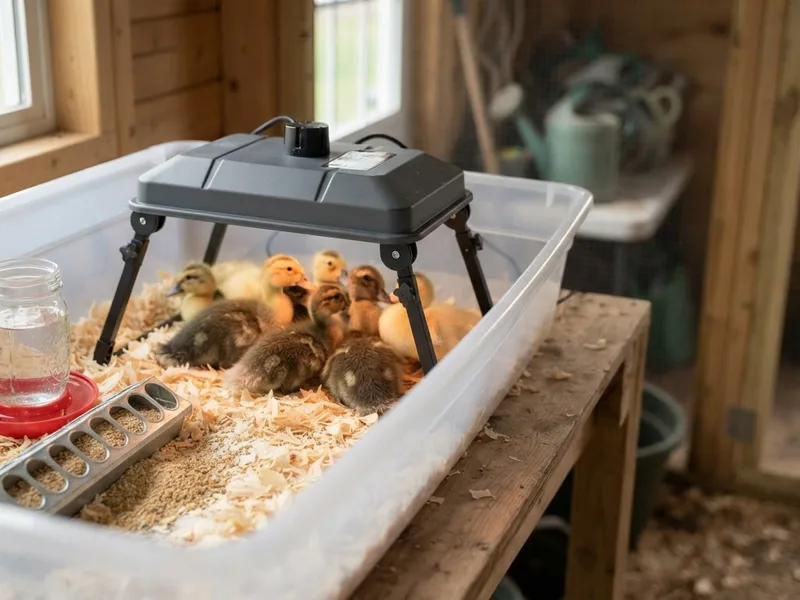
Feed, housing and duckling heat
Heavy layers need steady feed. A layer feed with about 16 percent protein is a practical starting point. Keep grit available for digestion, and offer oyster shell for calcium so the hen can build egg shells without pulling too much from her own bones. Water should be deep enough for head dipping, and feed should be placed near a waterer so ducks can eat without gagging. For a broader feeding plan, see What Do Ducks Eat?.
For ducklings, use a brooder starter made for waterfowl or chick starter with enough niacin, which is vitamin B3. If the feed does not list niacin or waterfowl use, add a waterfowl supplement, because a shortage can contribute to leg and feather problems. Heat is the big early job. Start at about 90 degrees Fahrenheit at the heat source in week one, then lower gradually. Watch duckling behavior: too hot means they move away, too cold means they pile up under the lamp.
Give adults room. Plan on about 3 to 4 square feet inside the coop and 10 to 15 square feet of dry run space per bird. Khaki Campbells will splash water, so keep feed and bedding dry with a raised feeder, a shallow drinker and good drainage. A storage tote brooder, a kiddie pool and a hardware cloth run are cheap options that can work at backyard scale, as long as they are predator proofed and cleaned often.
Frequently asked questions
Do Khaki Campbell ducks lay eggs without a drake?
Yes. A female lays eggs whether or not a male is present. Without a drake, eggs will not hatch. A drake can be fun but adds noise, mating pressure and extra space needs.
How many Khaki Campbell ducks should I keep?
Ducks are social birds, so do not keep one alone. Start with at least two hens, and keep drakes limited so hens are not harassed.
Are Khaki Campbells good for a suburban yard?
They can be if your local rules and neighbors allow duck noise. Check city hall or your homeowners association, HOA, before buying birds, and do not rely on a breed label to prove quiet behavior.
Why did my Khaki Campbell stop laying?
Check daylight, age, feed quality, water access, stress, molt and whether she is broody. A broody duck is a hen who wants to sit on eggs and may stop laying. If a bird looks ill, weak or has a swollen abdomen, contact an avian vet or your state veterinarian for advice.
Are Khaki Campbells friendly pets?
They are friendly enough when handled from duckling age, but they are active, noisy and more interested in eggs and food than lap time.